
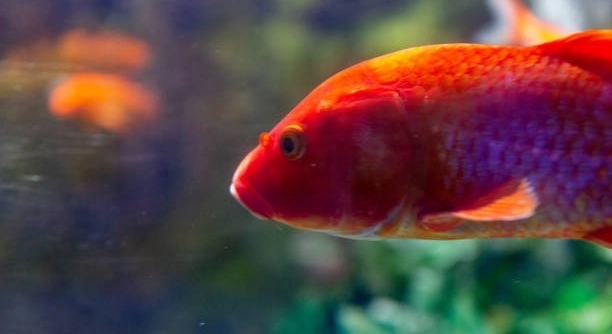
Have you ever watched your aquarium and wondered if your cichlids notice the other fish swimming around them each day?
African cichlids are capable of recognizing other fish, especially those from their own species or familiar tankmates. This recognition is often based on visual cues, patterns, and behaviors, helping them navigate their social environment and avoid conflict.
This behavior reveals more about their intelligence, memory, and social habits than many might expect from a freshwater fish species.
How African Cichlids Recognize Other Fish
African cichlids use their keen eyesight to recognize other fish in their environment. They rely on colors, shapes, and patterns to identify tankmates or rivals. These visual cues help them decide whether to interact peacefully or act aggressively. Some cichlids have distinct markings unique to their species, which aids recognition. Over time, they can even remember specific fish they’ve encountered before. This memory helps reduce unnecessary fights by distinguishing familiar fish from strangers. Their ability to recognize others is important for establishing territory and social hierarchy. Cichlids also respond to behavior, noticing movements and gestures that signal intentions. In a community tank, this recognition helps maintain balance and reduces stress. It is fascinating how these fish navigate their environment using such complex social skills, considering their size and natural habitat.
Visual recognition plays a key role in cichlid interactions, shaping their social structure and daily behaviors.
This ability to identify others impacts how they coexist. It influences their feeding habits, mating choices, and defense strategies. Cichlids that recognize familiar fish tend to show less aggression and more cooperation. This makes the aquarium experience more stable for both fish and their caretakers.
Factors Affecting Recognition Abilities
Recognition among cichlids depends on several environmental and biological factors. Water clarity is critical; murky water can hinder their ability to see details and identify other fish. Lighting also affects how well their colors and patterns stand out. Fish health plays a role—healthy cichlids are more alert and responsive. Stress levels can impact their social awareness, making recognition less accurate. Tank size matters too, as crowded spaces might confuse signals and visual cues. Age and experience influence recognition; older cichlids are usually better at remembering and distinguishing fish. Different species have varying levels of recognition skills based on their natural behaviors and social structures.
Maintaining clear water and a suitable environment helps cichlids use their recognition skills effectively.
Proper tank conditions improve their ability to identify other fish, reducing conflict and promoting harmony. Observing how environmental changes affect their interactions can offer valuable insights into their behavior. This understanding allows for better care and a more peaceful aquarium setting.
Social Behavior and Recognition
African cichlids use recognition to establish social hierarchies within their groups. Recognizing familiar fish helps reduce aggression and maintain order.
This social recognition allows dominant fish to assert their status while subordinate fish avoid unnecessary conflict. It creates a balance where each fish understands its place. Fish that don’t recognize others may cause more fights, increasing stress and injury. Recognizing familiar fish also helps cichlids form alliances, especially during breeding. These alliances improve their chances of survival and reproduction. Social recognition is a key part of their behavior in both natural habitats and home aquariums.
Cichlids that learn to recognize tankmates often display calmer interactions. This behavior helps create a peaceful environment and reduces disruptions in the aquarium.
Recognition and Breeding Success
Recognition plays an important role during breeding. Cichlids often choose mates based on visual and behavioral familiarity, increasing the chances of healthy offspring. They also recognize rivals and protect their territory more effectively. This ability helps them guard their eggs and young from threats. When they fail to recognize others, they may waste energy on unnecessary fights, which lowers breeding success. Maintaining stable social groups encourages better cooperation during spawning. Recognition supports not just survival but also the continuation of their species through effective mating and parental care. Understanding this connection can improve breeding outcomes in captivity.
Stable recognition reduces stress and supports stronger pair bonds, making breeding more successful in controlled environments. This knowledge benefits hobbyists aiming for healthy, thriving cichlid populations.
Recognition Limits in African Cichlids
African cichlids can recognize many fish but their ability has limits. They are better at identifying familiar fish within their own species or group.
Recognition is less reliable when fish are new, look very different, or when the environment changes quickly. This can cause confusion and increased aggression, especially in crowded tanks.
Impact of Tank Environment
Tank size, decoration, and water quality influence recognition. A well-maintained tank with clear water and natural hiding spots helps cichlids identify each other more easily. This reduces stress and improves social behavior. Poor conditions can blur visual cues and disrupt recognition, leading to more conflicts.
Training Recognition Skills
Some cichlids improve recognition through repeated exposure to the same tankmates. Regular interaction helps them remember and accept others. This process can take days to weeks depending on fish species and tank setup. Consistency and stable conditions support better recognition and peaceful coexistence.
Signs of Recognition Problems
If cichlids show constant aggression or hiding, it may mean recognition is failing. These signs suggest stress and poor social balance in the tank, requiring attention to improve conditions.
FAQ
How do African cichlids recognize other fish?
African cichlids mainly use visual cues such as color patterns, shapes, and size to recognize other fish. They rely on these features to identify whether a fish is a familiar tankmate or a potential rival. Over time, they develop memory for specific individuals, which helps reduce unnecessary aggression.
Can cichlids recognize fish from different species?
Recognition is strongest among fish of the same species or closely related groups. Cichlids may notice other species but often do not recognize them as individuals. Their behavior toward different species depends more on threat perception or competition than recognition.
Do African cichlids remember fish after long periods?
Yes, cichlids have good memory when it comes to recognizing familiar fish, especially those they interact with regularly. However, memory fades if fish are separated for a long time or moved to different tanks.
Does tank environment affect recognition?
Absolutely. Clear water and good lighting improve the fish’s ability to see and recognize each other. Overcrowded or murky tanks can make it harder for cichlids to identify others, which may lead to increased aggression.
Why do cichlids fight when they don’t recognize each other?
When cichlids fail to recognize other fish, they may see them as intruders. This triggers territorial or defensive aggression. Fighting is often a way to establish dominance or protect resources like food and space.
Can cichlids learn to recognize new tankmates?
Yes. With repeated exposure, cichlids become familiar with new fish. This learning process reduces aggression over time and helps establish social hierarchies in the tank.
How can I help my cichlids recognize each other better?
Keeping the tank clean with clear water and providing enough space reduces stress and improves visual recognition. Avoid frequent changes to tankmates and maintain stable conditions to support recognition skills.
Do cichlids recognize their owners?
While cichlids do not recognize humans in the same way they recognize fish, they can learn to associate owners with feeding or care routines. This can create a form of recognition based on experience and routine.
Is recognition important for breeding?
Yes. Cichlids often choose mates they recognize or have familiar social bonds with. Recognition helps protect eggs and fry by allowing parents to identify and defend against threats effectively.
What happens if recognition fails in a tank?
If cichlids can’t recognize each other, frequent fights may break out. This leads to stress, injury, and even death. Maintaining proper tank conditions and stable groups helps prevent these problems.
Can stress affect recognition in cichlids?
Stress weakens a cichlid’s ability to recognize others. Factors like poor water quality, overcrowding, or frequent disturbances increase stress and reduce social recognition, causing more aggressive behaviors.
How do cichlids recognize rivals versus mates?
They use a combination of visual signals and behavior. Mates display courtship behaviors and color changes, while rivals may show aggression or territorial displays. These cues help cichlids identify the social role of others in the tank.
Do young cichlids recognize other fish?
Young cichlids start recognizing others as they grow. Juveniles learn social cues and visual patterns gradually. Early social experiences influence how well they recognize and interact with others as adults.
Can cichlids recognize individual fish in large groups?
Recognition in large groups is possible but less precise. Cichlids focus more on key individuals like dominant fish or frequent tankmates. In bigger groups, social structures may be looser with less detailed recognition.
Are some cichlid species better at recognition than others?
Yes, species with more complex social systems tend to have stronger recognition skills. Territorial and highly social cichlids are better at identifying individuals compared to more solitary species.
Final Thoughts
African cichlids have a remarkable ability to recognize other fish, especially those from their own species or familiar tankmates. This recognition is mainly based on visual cues like colors and patterns, which helps them make decisions about how to interact. Recognizing others plays an important role in their social behavior. It helps them avoid unnecessary fights and establish clear hierarchies. In an aquarium setting, this can make a big difference in how peaceful the tank is. When cichlids recognize each other, they tend to be calmer and less aggressive. This reduces stress for the fish and creates a more balanced environment.
The tank environment and care also influence how well cichlids recognize other fish. Clean water, proper lighting, and enough space help them see and remember their tankmates better. Poor conditions can make recognition harder, causing more fights and tension. Overcrowding or murky water can blur the visual signals that cichlids rely on. Maintaining stable and suitable conditions supports their social skills and overall health. It is important for anyone keeping African cichlids to consider these factors. Supporting their ability to recognize other fish leads to a more harmonious aquarium.
Recognition is also connected to breeding success. Cichlids are more likely to form pairs and protect their young when they recognize their mates and rivals. This behavior helps protect eggs and fry from threats. When recognition fails, energy is wasted on fights, which lowers breeding chances. Understanding how African cichlids recognize each other gives insight into their natural behavior and needs. It shows that they are more intelligent and social than they might seem at first glance. Taking care of their social environment is just as important as water quality or diet to keep them healthy and thriving.

Hello,
If you enjoy the content that we create, please consider saying a "Thank You!" by leaving a tip.
Every little bit helps us continue crafting quality advice that supports the health, happiness, and well-being of pets around the world, for pets of all shapes, sizes, and species.
We really appreciate the kindness and support that you show us!