
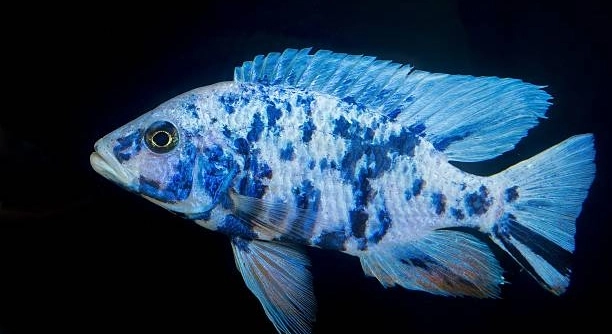
African cichlids are popular aquarium fish known for their vibrant colors and active behavior. Many fishkeepers observe their daily movements and wonder if these fish can learn and recognize routines over time. Understanding their behavior helps improve their care and environment.
Research shows that African cichlids can recognize routines and adapt their behavior accordingly. They learn to anticipate feeding times and respond to consistent environmental cues, demonstrating memory and cognitive skills that aid in their survival and interaction within their habitat.
Knowing how these fish respond to routines can enhance their well-being in captivity. This article explores how African cichlids process and react to regular patterns in their daily life.
How African Cichlids Learn Routines
African cichlids develop routines by associating repeated events with specific times or cues. For example, they quickly learn when feeding usually happens and adjust their activity accordingly. This learning is part of their natural behavior in the wild, where recognizing patterns can mean better chances of finding food or avoiding danger. In aquariums, cichlids watch for signs like the sound of approaching food or the movement of their owner. Over time, they respond more promptly at those moments, showing clear signs of routine recognition. This ability also reflects their memory and intelligence, which many don’t expect from fish. By observing their daily actions, you can see how they prepare for regular events. These responses help reduce stress and create a more stable environment for the fish.
Fish rely on repetition and environmental cues to learn routines and improve their daily behavior.
Recognizing routines helps cichlids thrive, as it brings predictability to their environment. This predictability reduces anxiety, encourages normal activity levels, and promotes healthier eating habits. When fish know what to expect, they become more comfortable, which can even increase their lifespan. Creating consistent feeding schedules and maintaining stable tank conditions supports this learning process. The more reliable the routine, the more these fish respond positively. This connection between routine and well-being highlights the importance of structure in caring for African cichlids.
Signs That Show Routine Recognition
Cichlids often show routine recognition by increasing their activity before feeding times. They might swim closer to the front of the tank or become more alert. This behavior indicates they remember the schedule and expect something to happen soon. Over time, they can even respond to subtle changes, like a specific light turning on or a sound. These reactions show they are processing information and using it to prepare for events. Inconsistent schedules tend to confuse them, leading to less predictable behavior and sometimes stress.
Routine recognition becomes clearer through consistent behavior and responses to familiar cues.
To encourage this, keep feeding times regular and avoid sudden changes in tank conditions. Routine also helps fish form social habits, such as interacting at certain times. This stability supports natural behaviors and helps prevent aggression or anxiety. In addition to feeding, routines in cleaning and light cycles contribute to their sense of order. Observing these signs can improve how you care for your cichlids by aligning your actions with their natural learning ability. Providing a stable environment benefits both the fish and the aquarium’s overall health.
The Role of Environmental Cues
Environmental cues are vital for African cichlids to recognize routines. Sounds, lighting changes, and movement near the tank all serve as signals. These cues help fish predict what is coming next, such as feeding or cleaning time.
Cichlids use their senses to detect these cues and adjust their behavior accordingly. For instance, the sound of food being poured or the presence of a shadow can trigger excitement or increased activity. Lighting also plays a significant role; turning on the aquarium light signals the start of the day, prompting fish to become active. When these cues are consistent, fish develop stronger routine recognition. If cues vary or are absent, cichlids may become confused or stressed, leading to erratic behavior.
Maintaining steady environmental signals can improve fish comfort and encourage natural routines. This consistency also supports their mental engagement, reducing boredom and anxiety in captive settings.
Feeding and Routine Learning
Feeding times are the most obvious routine for African cichlids to recognize. They quickly learn when food is coming and show anticipation by gathering near the feeding area. This routine creates a reliable structure in their day.
Consistent feeding schedules help fish develop trust and reduce stress. When they know exactly when to expect food, their behavior becomes calmer and more predictable. Irregular feeding times can cause frustration, aggression, or overeating as fish compete or search for food at unpredictable moments. Careful attention to timing also supports their health by regulating metabolism and digestion.
Routine learning through feeding not only improves behavior but also strengthens the bond between keeper and fish. Observing this pattern can enhance how you manage your aquarium, making care easier and more rewarding.
Memory and Routine in African Cichlids
African cichlids have a surprising capacity for memory, which helps them recognize and follow routines. They can remember feeding times and environmental patterns over days or even weeks.
Their memory supports learning complex behaviors, such as anticipating events or recognizing tank mates. This mental ability is crucial for survival in the wild and comfort in captivity.
Consistency Improves Fish Behavior
Keeping a consistent schedule helps reduce stress and aggression among cichlids. Predictability makes their environment feel safer and more manageable.
This stability encourages natural behaviors and fosters a healthy social structure within the tank. Consistency benefits both fish and keeper.
The Impact of Routine on Fish Health
Routines help maintain healthy eating habits and reduce stress levels. Fish with regular schedules tend to have better overall health and longer lifespans.
Regular care and feeding routines create a balanced environment that supports natural biological rhythms.
Observing Changes in Routine Recognition
Changes in behavior can indicate how well cichlids recognize their routines. Sudden shifts may suggest stress or environmental changes affecting them.
FAQ
Can African cichlids really recognize a daily routine?
Yes, African cichlids can recognize daily routines. They learn to associate certain times and environmental cues with feeding or other activities. This learning helps them anticipate what will happen next, making their behavior more predictable and reducing stress in captivity.
How do cichlids show they recognize a routine?
Cichlids often become more active or swim near the front of the tank before feeding time. They respond to familiar sounds, light changes, or movements by their keeper. These signs indicate they remember the schedule and expect food or care.
What environmental cues help cichlids learn routines?
Common cues include the sound of food being poured, the sight of a person near the tank, or lights turning on and off. These signals let the fish know what to expect, helping them adjust their behavior.
How important is consistency in feeding times?
Consistency is very important. Regular feeding schedules help fish develop trust and reduce aggression or stress. Inconsistent feeding can cause anxiety, competition, or even health issues like overeating.
Can routine recognition affect a cichlid’s health?
Yes, recognizing routines promotes better eating habits and lowers stress levels. Fish with stable routines tend to be healthier and live longer. Stress from unpredictability can weaken their immune systems.
Do African cichlids remember routines long-term?
They can remember routines over several days or weeks if the cues remain consistent. This memory helps them anticipate events and maintain natural behaviors even after short changes.
How can I create a good routine for my cichlids?
Keep feeding times consistent and use the same environmental cues, like lighting or sounds. Maintain a stable tank environment with regular cleaning and care schedules. Avoid sudden changes to keep fish comfortable.
What happens if I change the routine suddenly?
Sudden changes can confuse and stress cichlids. They may become less active, hide more, or show signs of aggression. Gradual adjustments are better when changes are necessary.
Can cichlids learn more than just feeding routines?
Yes, they can learn to recognize social routines with tank mates and respond to other repeated events, like cleaning or light cycles. Their cognitive skills allow them to adapt to many aspects of their environment.
How does routine recognition help in the wild?
In natural habitats, routine recognition helps cichlids find food, avoid predators, and interact socially. Recognizing patterns improves their survival chances by preparing them for important daily events.
Will recognizing routines reduce aggression among cichlids?
Routine recognition can help reduce aggression by creating predictability. When fish know what to expect, they are less likely to compete aggressively. Stable environments encourage more peaceful interactions.
Are there signs that a fish is stressed because of routine changes?
Signs include hiding, erratic swimming, loss of appetite, and increased aggression. Noticing these behaviors early can help adjust care to reduce stress.
Can I train my cichlids with routines?
Yes, through repetition and consistent cues, cichlids can be trained to expect feeding or certain activities at specific times. This training improves their interaction and comfort in captivity.
How do lighting schedules affect routine recognition?
Lighting signals the start and end of the day for cichlids. Consistent light cycles help regulate their biological rhythms and support routine learning.
What if my fish don’t respond to routines?
If fish don’t show signs of routine recognition, consider evaluating tank conditions, feeding schedules, and environmental cues. Stress, illness, or poor conditions can affect their behavior.
These frequently asked questions cover key points about how African cichlids recognize and benefit from routines. Understanding these helps improve care and enhances the fish’s quality of life.
Final Thoughts
Recognizing routines is an important part of African cichlids’ behavior. These fish are capable of learning and remembering daily events such as feeding times and changes in their environment. This ability helps them adjust their actions and reduces stress. When they know what to expect, they feel more comfortable and safe. This comfort can improve their overall health and well-being in an aquarium setting. Providing a stable environment with consistent routines supports their natural behaviors and makes caring for them easier.
Creating predictable schedules for feeding, cleaning, and lighting benefits both the fish and the keeper. Cichlids respond well to repeated environmental cues like sounds or light changes. These signals act as reminders, helping the fish prepare for what is coming next. When routines are irregular or sudden changes occur, the fish can become confused or stressed, leading to unwanted behavior. Keeping things steady encourages calmer, more natural behavior and promotes a balanced social environment in the tank. This consistency also helps prevent aggression and supports healthier interactions between the fish.
Overall, understanding that African cichlids can recognize and adapt to routines offers valuable insight for aquarium care. It highlights the importance of patience and attention to detail when managing their environment. By respecting their need for order and predictability, keepers can create a habitat that supports both the physical and mental health of their fish. This thoughtful approach benefits the fish’s long-term happiness and makes the experience of keeping them more rewarding. Providing a steady routine is a simple yet effective way to improve the quality of life for African cichlids in captivity.

Hello,
If you enjoy the content that we create, please consider saying a "Thank You!" by leaving a tip.
Every little bit helps us continue crafting quality advice that supports the health, happiness, and well-being of pets around the world, for pets of all shapes, sizes, and species.
We really appreciate the kindness and support that you show us!