
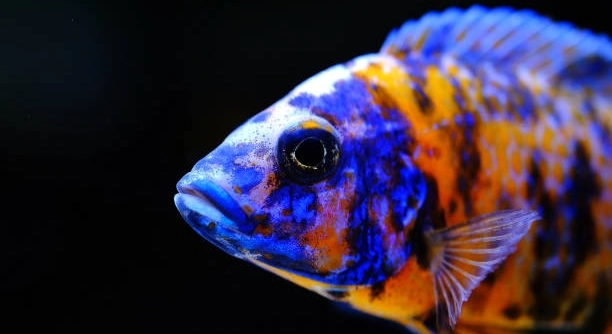
African cichlids and goldfish are popular choices for home aquariums. Many fish keepers wonder if these two species can share the same tank peacefully. Understanding their needs is important before combining them.
African cichlids cannot live with goldfish successfully due to major differences in water temperature, behavior, and dietary requirements. Mixing these species often leads to stress, aggression, and poor health for both types of fish.
Learning why these fish should be kept separately helps you create a healthier environment for your aquarium pets. This article explains the key reasons behind this advice.
Differences in Water Temperature and Environment
African cichlids come from warm freshwater lakes in Africa. They thrive in water temperatures between 75 and 82 degrees Fahrenheit. Goldfish, on the other hand, prefer cooler water, usually between 65 and 75 degrees. This temperature gap makes it hard to keep both species comfortable in the same tank. Additionally, African cichlids need harder, more alkaline water, while goldfish prefer softer and more neutral water. These differences in water requirements mean one species may suffer if the tank conditions are adjusted to suit the other. The stress caused by unsuitable water conditions can weaken their immune systems, making them more vulnerable to disease. Proper filtration and regular water changes are essential, but even with the best care, the differing needs make cohabitation difficult. Keeping these fish together often leads to poor health outcomes, making it clear why separate tanks are recommended for each species.
Goldfish and African cichlids simply do not share the same water environment needs, making cohabitation impractical.
Knowing these environmental differences helps avoid unnecessary fish stress and health issues.
Behavioral Differences and Aggression
African cichlids are known for their territorial and sometimes aggressive behavior. They defend their space strongly, especially during breeding. Goldfish tend to be peaceful and social, preferring calm environments without constant competition. When housed together, the aggressive nature of cichlids often causes stress and injury to goldfish. The size difference can make things worse since cichlids may see smaller goldfish as threats or prey. This aggression can result in damaged fins or worse, which compromises the goldfish’s health. Furthermore, goldfish are slower swimmers and might struggle to avoid these attacks. The stress from constant aggression lowers their immune response, increasing the chance of disease. Separating these species reduces fighting and helps both fish live more peacefully in their own tanks.
Feeding and Dietary Needs
African cichlids have specific diets that vary based on their species, but many need high-protein foods like pellets, flakes, or live food. They often eat insects, small crustaceans, or plant material. Goldfish, by contrast, are omnivores that require a more varied diet, including flakes, pellets, vegetables, and occasional protein treats. Feeding goldfish food to cichlids may not provide enough nutrients, and feeding cichlid food to goldfish can cause digestive problems. Additionally, cichlids tend to be aggressive eaters, often outcompeting goldfish during feeding time. This competition can leave goldfish underfed and stressed. To keep both healthy, each species needs its own carefully controlled feeding routine. This difference in dietary needs adds another challenge to keeping them in the same tank.
Keeping African cichlids and goldfish together makes feeding difficult and can harm their health.
Providing the right diet for each species ensures better growth and overall well-being.
Tank Size and Space Requirements
African cichlids need larger tanks with plenty of hiding spots and territories to reduce aggression. They are active swimmers and require more room to roam freely. Goldfish also need spacious tanks but prefer open areas to swim calmly. Housing them together often means one species’ needs will be neglected. The limited space can increase stress and conflict between the fish. Providing enough room for both species is difficult without very large tanks, which most home aquariums don’t have.
Keeping African cichlids and goldfish together requires a tank size much larger than what is typical for most hobbyists. Without enough space, their natural behaviors lead to conflict and stress.
To keep these fish happy, separate tanks with appropriate space and decor are essential. This setup supports their distinct behaviors and territorial needs, promoting healthier, less stressful living conditions.
Disease Risks and Health Concerns
African cichlids and goldfish are susceptible to different diseases due to their varied water preferences and immune systems. When mixed, the risk of cross-contamination increases, making it harder to treat illnesses. Stress from poor water conditions and aggression weakens their immune responses, making infections more likely. Treating diseases in a shared tank can be complicated, as medications suitable for one species might harm the other. Preventing disease spread is much easier when the species are kept apart. Regular water testing and quarantine of new fish help reduce risks, but combining these species still raises serious health concerns.
Keeping African cichlids and goldfish together increases the chance of disease transmission and complicates treatment efforts.
Separate tanks allow for better control over water quality, disease management, and overall health care tailored to each species’ specific needs.
Compatibility and Social Behavior
African cichlids are territorial and often aggressive, while goldfish are peaceful and social. These differing behaviors make it hard for them to live together without stress or conflict.
Mixing aggressive fish with calm species usually results in injuries and anxiety, affecting their overall health and well-being.
Filtration and Water Quality Needs
African cichlids produce a lot of waste and require strong filtration systems to keep water clean. Goldfish also create high waste but prefer cooler water and different filtration setups. Combining their needs complicates maintaining ideal water quality, which can quickly degrade and harm both species.
Summary of Key Differences
Water temperature, behavior, diet, tank size, and filtration needs differ significantly between African cichlids and goldfish, making shared tanks unsuitable.
Keeping these species separately ensures each fish thrives in an environment suited to its unique needs.
FAQ
Can African cichlids and goldfish live in the same tank if the tank is very large?
Even in very large tanks, it is not recommended to keep African cichlids and goldfish together. Their different water temperature and chemistry needs remain a problem. Large space can reduce aggression, but it doesn’t solve their basic environmental differences. Stress and health issues will still likely occur.
What happens if I put goldfish and cichlids together?
If goldfish and cichlids share a tank, you can expect aggression and stress. Cichlids are territorial and may attack goldfish, who are slower and less aggressive. Differences in water temperature and diet cause health problems. Over time, these factors can lead to injury, disease, and even death.
Can goldfish survive in warm water like African cichlids?
Goldfish generally do not do well in warm water. They prefer cooler temperatures between 65 and 75 degrees Fahrenheit. Warmer water can stress them, lowering their immune system and shortening their lifespan. African cichlids need warmer water, so keeping both species in the same temperature is not ideal for goldfish health.
Are African cichlids aggressive toward other fish?
Yes, many African cichlids are known for being aggressive and territorial. They defend their space strongly and may attack other fish, especially during breeding. This behavior makes them difficult tank mates for peaceful species like goldfish. Providing plenty of hiding spots helps, but aggression often remains an issue.
What is the best tank setup for African cichlids?
African cichlids need a tank with hard, alkaline water and temperatures between 75 and 82 degrees Fahrenheit. The tank should have rocks, caves, and hiding places to reduce aggression. Strong filtration is important because these fish produce a lot of waste. A larger tank with enough space helps keep their territorial behavior under control.
How often should I feed African cichlids and goldfish?
Both species should be fed once or twice a day, but their diets differ. African cichlids need protein-rich food like pellets or live insects, while goldfish require a more varied diet including vegetables and flakes. Overfeeding can pollute the water and cause health issues, so feeding the right amount is key.
Can African cichlids and goldfish share filtration and water maintenance schedules?
No, they have different water quality preferences. African cichlids prefer harder, more alkaline water, while goldfish do better in softer, neutral water. Their waste production also differs. Combining them makes it harder to maintain a stable environment. Separate tanks allow better control over filtration and water changes.
Is it safe to keep juvenile African cichlids and goldfish together?
Keeping juvenile cichlids and goldfish together is also risky. Even young cichlids show territorial behavior as they grow. Their different temperature and water needs still apply. Stress and aggression can harm juveniles, making separate tanks the safer choice from the start.
What are some peaceful tank mates for goldfish?
Good tank mates for goldfish include other cold-water, peaceful fish like white cloud mountain minnows or certain types of snails and shrimp. These species share similar water temperature needs and have calm behaviors that fit well with goldfish.
Can African cichlids live with other fish species?
African cichlids can live with other fish, but tank mates should be chosen carefully. Other African cichlids or robust fish that can handle similar water conditions and aggression levels work best. Avoid mixing them with peaceful or slow-moving fish like goldfish to prevent stress and injury.
African cichlids and goldfish have very different needs that make living together in the same tank a bad idea. Their water temperature requirements don’t match, which causes stress and health problems. Cichlids prefer warm, hard, and alkaline water, while goldfish thrive in cooler, softer, and more neutral water. Trying to find a middle ground usually ends up harming one or both species. Stress from unsuitable water conditions can weaken fish and make them more prone to illness. This alone is enough reason to keep these species separate.
Behavior and diet differences also create problems when mixing African cichlids and goldfish. Cichlids tend to be aggressive and territorial, often attacking slower, peaceful goldfish. This leads to injury and constant stress for the goldfish, which affects their overall well-being. On top of that, their feeding needs are different. Cichlids need a high-protein diet, while goldfish require a more varied and balanced food intake. Feeding both species properly in the same tank is difficult because their food types and amounts differ. Competition during feeding time can leave goldfish underfed and stressed. Overall, these behavioral and dietary clashes make sharing a tank harmful.
Tank size, filtration, and health risks further show why these fish should not be housed together. Both species produce a lot of waste, but their filtration needs vary due to water type and temperature preferences. Disease risks rise when mixing species because treating illnesses becomes complicated. Each species needs a tank environment designed to its specific needs for the best health and comfort. Keeping African cichlids and goldfish in separate tanks allows them to thrive without the stress and challenges that come with forced cohabitation. This careful separation is the best way to enjoy both species happily and healthily.

Hello,
If you enjoy the content that we create, please consider saying a "Thank You!" by leaving a tip.
Every little bit helps us continue crafting quality advice that supports the health, happiness, and well-being of pets around the world, for pets of all shapes, sizes, and species.
We really appreciate the kindness and support that you show us!