
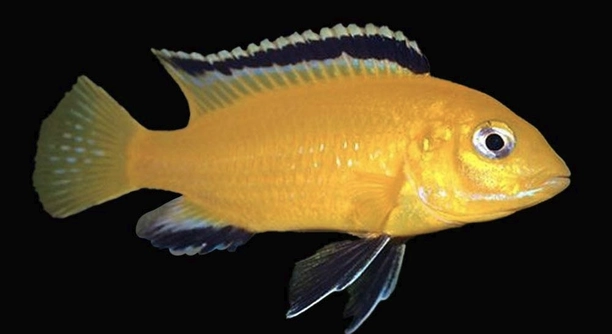
African cichlids are popular aquarium fish known for their vibrant colors and active behavior. Many hobbyists enjoy watching their interactions and wonder if these fish can develop trust with their owners over time. Understanding their behavior can improve the relationship between fish and caretaker.
African cichlids can learn to trust humans through consistent, gentle interaction and feeding routines. Regular exposure to their caretaker reduces stress and encourages positive associations, leading to increased comfort and recognition of the owner as a non-threatening presence.
Building trust with cichlids can enhance your aquarium experience and promote healthier, more engaging fish behavior. This article explains how to encourage that connection step by step.
Understanding African Cichlid Behavior
African cichlids are naturally territorial and social fish. They establish a hierarchy in their tank and communicate through body language and colors. This behavior helps them feel safe and secure in their environment. When they are stressed or frightened, they may hide or act aggressively. Recognizing these signs is key to building trust. By keeping a stable environment and avoiding sudden changes, you reduce their anxiety. Feeding them regularly and calmly also helps them associate you with positive experiences. Over time, they become less skittish and more open to interaction. Consistency is important since cichlids learn through repeated exposure. Your presence can shift from being a potential threat to a familiar part of their routine. Knowing how they behave in different situations allows you to respond appropriately, creating a better bond and a peaceful tank atmosphere.
Observing their unique behaviors helps improve your interaction with them daily.
Consistent care and attention to their natural tendencies encourage African cichlids to become more comfortable around their keeper. This understanding lays the foundation for trust and cooperation in the tank.
How to Build Trust with Your Cichlids
Start by spending time near the tank without sudden movements. Let the fish get used to seeing you regularly. Feeding them by hand or using feeding tools can create positive associations. Speak softly and avoid tapping on the glass, as loud noises may frighten them. Provide hiding spots with rocks or plants to help them feel secure. Maintain clean water conditions and stable temperatures to reduce stress. Avoid overcrowding the tank to prevent aggression among the fish. If you move slowly and predictably, cichlids will learn that your presence means safety and food. With patience, they may swim closer during feeding and show less defensive behavior. This slow process shows respect for their comfort and natural instincts, making trust possible over time.
Signs Your Cichlids Are Starting to Trust You
Cichlids that trust you will show less hiding and more curiosity. They may swim closer when you approach the tank or follow your movements. Increased activity during feeding is also a good indicator of trust.
When cichlids become comfortable, they often swim confidently near the glass. You might notice them waiting patiently for food or responding to your presence with calm behavior. They stop darting away or hiding immediately, showing relaxed body language and natural colors. This shift happens gradually and signals they recognize you as a non-threatening part of their environment. Some cichlids even learn to take food directly from your hand or a feeding tool, which is a clear sign of trust.
Trust also means reduced aggression toward you and other fish. When the tank atmosphere is calm, cichlids display social behaviors without stress. These signs confirm that your consistent care and interaction are effective. Patience is essential, but the results make the effort worthwhile.
Common Mistakes That Affect Trust Building
Inconsistent feeding times and sudden movements can make cichlids wary of your presence. These mistakes slow down trust development.
Skipping regular tank maintenance or changing water conditions abruptly increases stress. Cichlids thrive in stable environments, so any sudden changes cause anxiety. Tapping on the glass or loud noises also scare them, making it harder for them to feel safe around you. Overcrowding the tank or adding aggressive species disrupts the social balance and creates tension. Feeding inappropriate food or overfeeding can impact their health and behavior, reducing their willingness to interact positively. Avoid rushing the process; trust develops slowly and requires respect for their nature and routine.
Being mindful of these factors helps create a peaceful environment that encourages cichlids to trust you faster. The key is gentle, predictable care and patience over time.
Patience Is Key When Building Trust
Trust with African cichlids does not happen overnight. It requires steady and calm interaction over weeks or even months.
Each fish learns at its own pace. Some may warm up quickly, while others need more time to feel secure around you.
Using Feeding to Strengthen Bonds
Feeding your cichlids regularly and calmly helps create positive associations with your presence. Offering food by hand or with a feeding tool encourages them to approach without fear. Use small amounts at consistent times to avoid overfeeding and maintain their interest. Feeding becomes a shared routine that slowly builds trust and familiarity. This process also reinforces your role as a caretaker, not a threat.
Avoiding Sudden Movements
Quick or jerky motions can startle your cichlids and undo progress in building trust. Keeping your movements slow and predictable helps them stay calm and attentive.
FAQ
Can African cichlids really recognize their owners?
African cichlids can learn to recognize their owners through repeated, gentle interaction. While they don’t recognize faces like mammals, they respond to the presence, movements, and feeding routines of a familiar person. This recognition reduces stress and helps them feel more comfortable around you.
How long does it take for cichlids to trust you?
Trust develops gradually and can take several weeks to months. Each fish is different; some warm up quickly, while others are more cautious. Consistency in feeding and calm behavior speeds up this process, but patience is always necessary.
What behaviors show that my cichlids trust me?
Signs of trust include swimming closer to the glass when you approach, waiting calmly for food, and less hiding or aggressive behavior. Some cichlids may even take food directly from your hand or follow your movements inside the tank.
Can stress affect how well cichlids trust me?
Yes. Stress from sudden changes, poor water conditions, or aggressive tank mates can make cichlids fearful. Reducing stress by maintaining stable water parameters and a calm environment helps build trust more effectively.
Is it okay to tap on the glass to get their attention?
No. Tapping on the glass can startle and stress cichlids. It’s better to use slow, calm movements near the tank to gain their attention without causing fear or agitation.
How important is tank setup for building trust?
Tank setup is very important. Providing hiding spots and enough space reduces stress and allows cichlids to feel secure. A peaceful environment encourages them to be curious and interact more with their caretaker.
Can hand-feeding help build trust?
Yes. Hand-feeding can create a strong positive association between you and your cichlids. It encourages them to approach and reduces fear, but it should be done gently and patiently to avoid stressing the fish.
What should I avoid when trying to build trust with my cichlids?
Avoid sudden movements, loud noises, tapping on the glass, inconsistent feeding, and overcrowding. These actions increase stress and delay trust-building. Keeping a calm, stable environment is key.
Do all cichlid species have the same ability to trust humans?
Not all species behave the same way. Some African cichlids are naturally more social and curious, making it easier to build trust. Others can be more aggressive or shy. Understanding your species’ behavior helps set realistic expectations.
Can cichlids remember negative experiences?
Yes, cichlids can associate certain actions or people with negative experiences, which affects their willingness to trust. Consistent positive interactions help overcome past fear, but it takes time.
What role does water quality play in behavior and trust?
Good water quality reduces stress and promotes healthy behavior. Poor conditions can make cichlids lethargic, aggressive, or fearful, making it difficult to build trust. Regular testing and maintenance are essential.
How often should I interact with my cichlids to build trust?
Daily interaction is best, even if just a few minutes. Consistency helps cichlids become familiar with you and feel more comfortable. Skipping days or sudden changes in routine can cause them to retreat.
Is it normal for cichlids to be cautious at first?
Absolutely. African cichlids are naturally cautious and territorial. It’s normal for them to hide or avoid new stimuli initially. Respecting their need for time and space encourages better trust later.
Can multiple cichlids trust a single owner?
Yes, but each fish builds trust individually. Social dynamics within the tank affect this process. Some fish may be more dominant or shy, so their trust level may vary even under the same care.
Are there tools that can help in building trust?
Using feeding tools like tweezers or feeding rings helps control food delivery and encourages fish to come closer. Mirrors or gentle lights can stimulate curiosity, but these should be used carefully to avoid stress.
What is the best way to handle cichlids when needed?
Handling should be minimized as it stresses the fish. If necessary, use a soft net and move slowly. Avoid sudden movements and keep handling brief to maintain trust and reduce anxiety.
How can I encourage shy cichlids to come out more?
Provide plenty of hiding spots and keep the tank quiet. Spend time near the tank without sudden moves, and feed them consistently. Gradual exposure to your presence will help shy fish feel safer and more confident.
Can cichlids be trained to respond to specific cues?
Yes, cichlids can learn to associate cues like your approach or feeding tools with food. They may swim to the front or become more active when these signals appear, showing recognition and trust.
What should I do if my cichlids never seem to trust me?
Evaluate tank conditions, feeding routine, and interaction style. Some fish may remain shy or aggressive due to species traits or past stress. Improving care and patience can help, but sometimes trust is limited by natural behavior.
Does age affect a cichlid’s ability to trust?
Younger cichlids may adapt faster to new caretakers, while older fish might be more set in their behavior. Both can learn trust, but patience is especially important with older or stressed fish.
How do I know if my cichlids are stressed or scared?
Signs include hiding, rapid breathing, color fading, erratic swimming, or aggression. Stress reduces trust and health, so addressing causes quickly improves their comfort and openness to interaction.
Building trust with African cichlids takes time and patience. These fish are naturally cautious and territorial, so it is normal for them to be wary of new people at first. The key to gaining their trust is to provide consistent care and gentle interaction. Regular feeding at set times, slow movements around the tank, and maintaining a calm environment all contribute to making your cichlids feel safe. Over weeks or months, these actions help the fish recognize you as a non-threatening presence. This steady approach reduces stress and encourages them to be more active and social.
It is important to remember that every cichlid is different. Some may start to respond quickly to your presence and feeding routine, while others need more time to feel comfortable. The species and individual personality also affect how easily they build trust. Some African cichlids are naturally more curious and social, while others are shy or more aggressive. Providing plenty of hiding spots and avoiding sudden changes in the tank helps all cichlids feel secure. This stability in their environment supports healthy behavior and positive interaction with you.
Ultimately, building trust with cichlids improves the experience of keeping them. When fish feel safe and recognized, they display brighter colors, natural behaviors, and less aggression. This makes the aquarium more enjoyable to watch and care for. Trust also means less stress for the fish, which promotes better health. While trust does not develop overnight, consistent and patient care leads to a stronger connection with your cichlids. By respecting their nature and needs, you create an environment where both you and your fish benefit from a calm and trusting relationship.

Hello,
If you enjoy the content that we create, please consider saying a "Thank You!" by leaving a tip.
Every little bit helps us continue crafting quality advice that supports the health, happiness, and well-being of pets around the world, for pets of all shapes, sizes, and species.
We really appreciate the kindness and support that you show us!