
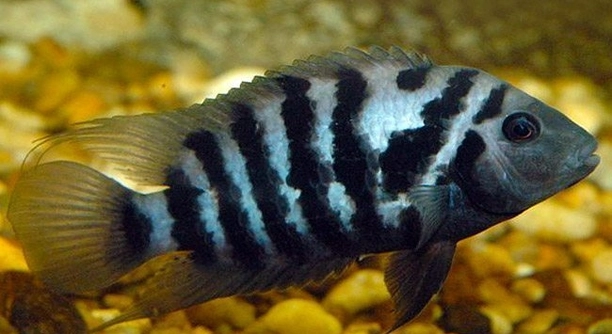
African cichlids are known for their vibrant colors and complex behaviors in aquariums. Many keepers observe how these fish respond to daily care and feeding patterns. Understanding their behavior helps create a better environment for them.
African cichlids do show learning behaviors through routine, adapting to regular feeding times and environmental cues. Studies indicate they recognize patterns, which helps reduce stress and promotes healthier interactions within their habitat.
Exploring how routine shapes cichlid behavior can improve aquarium management and support their well-being in captivity.
How Routine Influences Learning in African Cichlids
African cichlids respond well to consistent routines, which help them learn and adapt to their environment. When feeding times and cleaning schedules remain steady, these fish begin to anticipate events. This predictability lowers their stress levels and encourages natural behaviors like foraging and exploring. Over time, they can associate specific cues, such as the sound of a feeder or a change in light, with food or activity. This kind of learning is essential for their overall health because it helps them feel secure in their space. Consistent routines also assist in monitoring their well-being since any deviation in behavior may indicate health problems. The fish become more interactive and display less aggression when their surroundings are predictable. For aquarium keepers, understanding this helps create an environment that supports both the physical and psychological needs of African cichlids.
Routines reinforce positive behavior and reduce anxiety for African cichlids. This leads to a healthier and more balanced aquarium ecosystem.
Maintaining a steady routine requires commitment but pays off by improving fish health. Providing consistent feeding times, regular tank maintenance, and stable environmental conditions strengthens the fish’s learning and adaptation. Observing these patterns also helps identify early signs of illness or stress. For example, if fish do not respond to their usual cues, it may indicate something is wrong. Keeping the environment stable reduces territorial fights and promotes natural social interactions. Over time, cichlids develop habits that make tank management easier. This consistency benefits both the fish and the keeper, creating a more enjoyable and thriving aquarium.
Signs That African Cichlids Are Learning
African cichlids show clear signs of learning through routine. They often come to recognize their keeper and respond to feeding signals.
When fish begin to associate specific cues with food or activities, it shows their capacity to learn. For example, they may swim to the front of the tank as soon as the feeder appears or after a certain sound is made. This behavior reflects memory and anticipation, traits that develop through repeated experience. Some cichlids may even learn to follow certain movements or signals from their keeper. Such responses indicate that routine helps strengthen their cognitive abilities. Observing these signs can improve interactions and allow keepers to adjust care practices to fit the fish’s needs better. Learning through routine supports both mental stimulation and emotional well-being in cichlids, which is vital for their long-term health in captivity.
Routine and Stress Reduction
Routine helps reduce stress in African cichlids by creating a predictable environment. Knowing when to expect feeding or cleaning lowers their anxiety and supports natural behavior.
Stress impacts fish health and behavior negatively. When cichlids experience unpredictable changes, they may become aggressive or hide more often. A consistent routine helps minimize these stressors by providing stability. This allows the fish to feel safe and focus on normal activities such as exploring and socializing. Predictable daily patterns help their brains adjust to their environment, making them less reactive to sudden changes. Lower stress improves immune function and reduces illness risks, which is important for long-term care. Maintaining a steady routine benefits both the fish’s mental and physical health.
By recognizing how routine lowers stress, aquarium keepers can better support their cichlids’ needs. Consistency in care encourages calm and natural behaviors that are key to a thriving tank.
Practical Tips for Establishing Routine
Setting a consistent schedule for feeding, cleaning, and light cycles is essential. This helps African cichlids learn and adapt to their environment smoothly.
Start by feeding your fish at the same time each day, using the same type of food. Avoid sudden changes in feeding amounts or types, as this can cause confusion. Clean the tank on a regular schedule, but avoid disturbing the fish too often. Maintaining stable water conditions such as temperature and pH also supports routine. Light cycles should mimic natural day and night patterns to reinforce biological rhythms. Using these practices creates a comfortable and predictable space for the cichlids. Over time, they will respond more positively to their environment, showing clearer signs of learning and reduced stress. Consistency is key for the success of this approach.
Signs of Routine Disruption
When routines are disrupted, African cichlids may show signs of stress such as hiding or increased aggression. These changes signal discomfort or confusion.
Fish may stop responding to feeding cues or become less active. Disruptions can affect their health if prolonged, making it important to keep routines steady.
The Role of Environmental Enrichment
Adding variety to the tank environment helps keep cichlids mentally engaged while maintaining their routine. Plants, rocks, and hiding spots encourage natural behavior without breaking consistency.
Consistency Over Perfection
It’s better to maintain a consistent routine than to strive for perfect timing every day. Small variations won’t harm cichlids if the overall schedule is stable.
What happens if I feed my African cichlids at irregular times?
Feeding cichlids irregularly can confuse their internal rhythms and cause stress. They may become more aggressive or stop responding to feeding cues. This inconsistency can lead to poor appetite or unhealthy competition among fish. Keeping feeding times consistent helps maintain their natural behavior and reduces stress.
Can African cichlids learn to recognize their keeper?
Yes, they can. Cichlids often recognize the person who feeds them regularly. They learn to associate your presence or certain sounds, like the opening of a food container, with feeding time. This recognition shows they are capable of simple learning and memory through routine.
How does stress affect African cichlids?
Stress weakens their immune system and makes them more prone to disease. It can also cause changes in behavior, such as hiding, aggression, or loss of appetite. Reducing stress through a stable routine is key to keeping them healthy and active.
What are some signs that my cichlids are stressed?
Look for hiding, loss of color, erratic swimming, or aggression toward tank mates. If they stop eating or appear lethargic, these may also be stress signals. Observing their usual behavior helps identify when something is off.
Is it okay to change feeding times occasionally?
Small changes occasionally won’t harm them, but frequent or unpredictable changes can cause stress. The goal is to keep feeding times as regular as possible to help them feel secure and adapt well to their environment.
How can I maintain routine while traveling or during busy days?
Using automatic feeders can help maintain consistent feeding times. Asking someone familiar with your tank to follow your schedule for feeding and maintenance can also reduce disruptions. The more consistent you keep the routine, the better for your cichlids.
Can environmental changes affect their learning from routine?
Yes, large or sudden changes in environment, such as rearranging decorations or changing water conditions, can confuse cichlids. These changes may interrupt their learned behaviors and cause stress. Introducing changes gradually helps them adjust without disrupting their routine.
Do all African cichlids respond the same way to routine?
Different species and even individual fish may respond differently. Some cichlids are more territorial and may react strongly to disruptions, while others adapt more easily. Understanding the specific needs and behavior of your species helps in establishing an effective routine.
How long does it take for cichlids to learn a routine?
They can begin showing recognition and anticipation of feeding or other events within days to weeks. Regular repetition is key to strengthening their learning. Consistency over time leads to more predictable and stable behavior patterns.
What is the best way to introduce new fish to an established routine?
Introduce new fish slowly, keeping feeding times consistent for all. Newcomers will learn the routine by observing the established fish. Avoid changing the schedule when adding new fish to reduce stress and aggression during adjustment.
Can routine improve breeding behavior in African cichlids?
Yes, a stable environment with regular feeding and care supports breeding. Predictable routines reduce stress, allowing cichlids to focus on natural behaviors like mating and caring for fry. Consistent conditions improve the chances of successful breeding.
How important is water quality in maintaining routine learning?
Water quality is crucial. Poor water conditions cause stress and illness, which interfere with learning and behavior. Routine includes regular water testing and changes to keep the environment healthy and stable, supporting fish well-being.
Can cichlids be trained to perform specific behaviors?
While not trained like pets, cichlids can learn to associate certain cues with food or activity. Some keepers use signals like tapping the glass or hand gestures to encourage feeding response. This shows their ability to learn simple tasks through routine.
What role does lighting play in cichlid routine?
Lighting helps regulate their biological clock. Consistent light and dark periods mimic natural conditions and support normal activity cycles. Sudden changes in lighting can stress fish and disrupt learned behaviors tied to routine.
How can I tell if my cichlids are bored despite routine?
Signs of boredom include lethargy, reduced activity, or repetitive swimming patterns. Providing environmental enrichment like plants, hiding spots, and varied tank layout helps keep them engaged while maintaining routine for stability.
Is it necessary to stick to the exact same food every day?
Not necessarily. Variety in diet is healthy, but changes should be gradual and predictable. Sudden food changes may confuse cichlids. Maintaining a feeding routine with occasional variety supports both nutrition and learning.
African cichlids are interesting fish that benefit greatly from routine in their daily care. Having a consistent schedule for feeding, cleaning, and lighting helps them feel more secure in their environment. When they know what to expect, they can develop patterns of behavior that show learning and adaptation. This predictability reduces stress, which is important for their health and overall well-being. Without a steady routine, these fish may become anxious, aggressive, or less active, which can lead to health problems. Keeping their environment stable allows them to focus on natural behaviors like exploring, socializing, and feeding.
The learning that happens through routine is simple but meaningful for African cichlids. They recognize cues such as feeding times or specific sounds, which helps them anticipate events in their tank. This ability to learn and remember is useful because it makes their daily life more manageable and less stressful. Observing these behaviors can also help aquarium keepers better understand their fish and notice when something is wrong. For example, if a fish stops responding to its usual feeding cue, it might be a sign of illness or discomfort. Routine care, therefore, is not just about keeping a schedule—it supports the fish’s mental and physical health.
Maintaining a routine does not mean everything has to be perfect every day. Small changes are natural and usually will not harm the fish if the overall pattern remains steady. The key is consistency over time, which helps African cichlids feel safe and stable. Adding environmental enrichment like plants or hiding places can also support their mental engagement without disrupting their routine. These practices together create a balanced and healthy environment. By paying attention to routine and the needs of the fish, aquarium keepers can improve the quality of life for their African cichlids and enjoy watching their natural behaviors develop.

Hello,
If you enjoy the content that we create, please consider saying a "Thank You!" by leaving a tip.
Every little bit helps us continue crafting quality advice that supports the health, happiness, and well-being of pets around the world, for pets of all shapes, sizes, and species.
We really appreciate the kindness and support that you show us!