
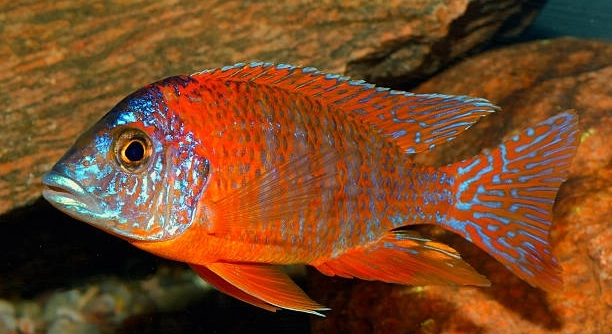
Do you ever find yourself watching your African cichlids and wondering if they feel lonely when they’re all by themselves?
African cichlids can experience stress and behavioral changes when kept alone for long periods, especially if they are a social species. Providing proper tank mates, structure, and stimulation helps prevent signs of isolation and promotes overall well-being.
Understanding how social needs vary between different types of cichlids can make a big difference in how they behave and thrive in your tank.
Why Social Interaction Matters for African Cichlids
African cichlids are known for their active nature and complex behaviors. In many cases, they do better in environments where they can interact with other fish. Some species form clear social structures, while others prefer to keep to themselves. Even though not all cichlids are truly “social” in the way we think of pets like dogs or cats, many still rely on the presence of others for comfort and stimulation. When housed alone without the right environment, some may become more aggressive or withdrawn. Proper tank mates, hiding spots, and enrichment items can help reduce stress. It’s important to know your specific cichlid species because each has its own needs. Some are territorial and need space, while others are more communal. Watching their behavior closely can help you spot early signs of loneliness or discomfort, allowing you to make changes to their environment when needed.
Some cichlids may adapt to solitude, but many benefit from structured interaction and stimulation in their habitat.
If your cichlid becomes less active, eats less, or hides more often, it might be reacting to a lack of interaction. Changes in color or increased aggression may also point to stress. These are small signs that shouldn’t be ignored, especially if your cichlid has been healthy and active in the past.
Choosing the Right Tank Setup
Not all cichlids need tank mates, but the setup still plays a big role in how they behave.
A well-planned tank setup helps meet both the physical and behavioral needs of African cichlids. Start with the right tank size—most species need plenty of space to move, explore, and establish territory. Crowded tanks can lead to stress and aggression, while tanks that are too empty can make a fish feel exposed. Include rocks, caves, and plants to create natural hiding spots and encourage natural behaviors. These features also help break up lines of sight, which can reduce conflict if you house multiple fish. Filtration and water quality are just as important, since poor conditions can add to stress and affect behavior. If you’re keeping only one cichlid, consider using mirrors or rearranging decorations from time to time. These changes can give the fish mental stimulation and prevent boredom. Creating the right environment is one of the best ways to keep your cichlid active, healthy, and comfortable—even if it’s alone.
Behavioral Signs of Loneliness
Lonely cichlids may show subtle or sudden changes in behavior. They might stop exploring, become more aggressive, or lose interest in food. A once active fish may spend more time hiding or swimming aimlessly without purpose. These changes can be signs of boredom or stress from isolation.
Cichlids are sensitive to their surroundings, and changes in behavior often reflect something missing in their environment. If your fish becomes less interactive, displays faded coloring, or starts attacking tank decorations or its own reflection, it could be reacting to a lack of stimulation. Even single cichlids need a dynamic setting to stay active and alert. Observe how your fish behaves after feeding or during routine tank maintenance—if it barely reacts or seems anxious, it might not be getting the mental and social engagement it needs. Noticing these small cues early can help prevent long-term health issues tied to stress or inactivity.
Aggression is another common sign. A cichlid without proper outlets for its energy may start chasing its reflection or flaring at anything that moves outside the tank. It might lash out at harmless tank mates or act unpredictably when the tank is approached. These reactions aren’t always about territory—they can come from frustration or a lack of structure. In some cases, lonely fish may pace back and forth or stay in one corner for long periods. Watching for these behaviors can help you decide if adding tank mates or changing the tank layout is necessary.
Ways to Keep a Single Cichlid Stimulated
When keeping just one cichlid, enrichment is key. Rearranging tank decor every few weeks gives them something new to explore. Adding natural elements like rocks, driftwood, or tunnels can also keep them engaged. These simple adjustments help create a more interactive and interesting environment.
You can also introduce visual stimulation using mirrors placed outside the tank for short periods. This can mimic interaction and reduce boredom, especially if the cichlid appears to seek attention or display. Feeding routines can be changed as well—try offering food at different times or using feeding rings or live food. These small shifts break up routine and encourage natural hunting behavior. Light changes, soft music, or brief movement near the tank can stimulate curiosity without adding stress. Each cichlid responds differently, so it’s helpful to observe how yours reacts to changes. Finding the right balance will help keep your fish alert, content, and active in its environment.
When to Consider Tank Mates
If your cichlid shows signs of boredom or stress, adding tank mates may help. Choose species with similar size and temperament. Overcrowding or mixing aggressive types can lead to more problems, so research compatibility before introducing new fish.
Always monitor behavior closely after adding any tank mates. Even peaceful introductions can lead to stress if the tank isn’t large enough or lacks proper hiding spaces. If aggression increases or the fish stop eating, it may be better to remove the new additions and adjust the environment instead.
Species That Do Better Alone
Some African cichlids are naturally solitary and prefer limited interaction. Species like the Jewel cichlid or certain types of Nimbochromis often do better on their own due to their aggressive or territorial nature. These fish still need stimulation, but they don’t require companions. For them, a peaceful environment with lots of hiding spots and a steady routine works best. Watching their behavior can help you spot signs of stress early, even without tank mates around. Avoid placing these species with others unless you’re experienced and have a large enough tank to manage their behavior safely.
Final Thoughts on Cichlid Loneliness
A cichlid’s need for social interaction depends on its species and setup. Paying attention to behavior and environment helps prevent problems.
FAQ
Can African cichlids live alone?
Yes, some African cichlids can live alone, especially those that are more territorial or aggressive by nature. However, they still need a stimulating environment to stay active and healthy. Solitary cichlids often require more attention to tank setup, including plenty of rocks, hiding spaces, and a varied routine. Even if they don’t have other fish around, they still benefit from mental stimulation like rearranged decor or feeding enrichment. For naturally social species, being alone for too long can lead to stress, so understanding your specific fish’s needs is important.
What are the signs that a cichlid is lonely or stressed?
Signs can include a lack of activity, reduced appetite, hiding more often, or becoming overly aggressive. Some may also lose color or show strange behavior, like chasing their reflection or pacing. These signs suggest the fish may be bored or uncomfortable in its environment. Stress can weaken their immune system, making them more prone to illness. Observing your fish daily and watching for these changes helps you catch problems early. If you notice several of these signs at once, consider improving tank enrichment or adjusting the environment to better support your cichlid’s needs.
Do African cichlids need tank mates to be happy?
Not always. Some species, like peacock cichlids, do enjoy the company of others, especially when kept with fish of similar temperament. Others, like many Mbuna or Hap cichlids, are more territorial and may prefer to have space to themselves. Whether or not they need tank mates depends on their species, personality, and tank size. A well-decorated tank with regular changes can help a solo cichlid stay engaged. If you choose to add tank mates, always do so with care—monitor aggression and make sure each fish has room to establish its own space.
Can a mirror help reduce loneliness in a cichlid?
Yes, but only for short periods. Mirrors can give a cichlid the sense of seeing another fish, which may spark natural behaviors. However, too much time with a mirror can cause stress, especially for aggressive species. It’s best to use mirrors for a few minutes at a time and observe how your fish reacts. If the fish flares, becomes overly agitated, or stops eating, remove the mirror right away. Used carefully, mirrors can help break up routine and offer stimulation without needing tank mates.
What is the best way to enrich a cichlid’s environment?
Adding natural structures like rocks, caves, and driftwood is one of the best ways to make the tank feel engaging. Rearranging decor every few weeks keeps the environment fresh. Offering different types of food—like pellets, frozen foods, or live insects—also helps mimic natural feeding behavior. Even changing the lighting schedule or water flow slightly can offer mental stimulation. Regular interaction during feeding or cleaning helps the fish stay familiar with its surroundings and may reduce stress. A bored cichlid is more likely to become aggressive or unhealthy, so these small changes can make a big difference.
Are African cichlids more prone to stress than other fish?
They can be, especially if their environment isn’t well managed. African cichlids are sensitive to water quality, tank layout, and social structure. Sudden changes or overcrowding often lead to increased aggression or illness. They also tend to have strong personalities, which means they react quickly to changes around them. With proper care, they are hardy and adaptable, but their behaviors are very closely tied to how well their tank meets their needs. Keeping the tank clean, stable, and enriched is the best way to avoid stress-related issues.
How many cichlids should be kept together?
The number depends on the tank size and the specific species. Some types, like Mbuna cichlids, do better in groups of at least five to reduce bullying, while others may prefer to live alone or in pairs. If you’re keeping multiple cichlids, the tank must be large enough to allow space for territories. Overcrowding can lead to stress and constant fighting, but too few fish may lead to one being targeted. Always research your species first, and make sure your tank is set up to support the number you plan to keep.
Final Thoughts
African cichlids are unique fish with strong personalities and specific needs. Some species are naturally social and may enjoy being in groups, while others are more aggressive and do better on their own. Knowing the type of cichlid you have is important because it helps you decide whether they need tank mates or if they are better off alone. Even when kept alone, cichlids still need a tank that keeps them active, calm, and healthy. A good setup can include hiding spaces, rocks, plants, and enough room to swim freely. These small details can make a big difference in how your fish behaves each day.
Signs of loneliness or stress in cichlids are not always easy to notice at first. Some fish may start hiding, stop eating, or act more aggressive than usual. Others may seem bored or inactive, swimming in the same area or staring at their reflection for long periods. These behaviors are important to watch for, especially if you have only one fish in the tank. Adding new decorations, changing the layout, or using tools like mirrors can help bring variety into their day. Small changes in their environment often help break up boredom and reduce stress, even if no other fish are added.
Keeping African cichlids happy takes some effort, but it’s worth it. Whether your fish lives alone or with others, your attention to their behavior, diet, and tank conditions will help them stay healthy over time. Clean water, proper lighting, and regular observation all play a role in their well-being. If you ever notice changes in how your cichlid acts or eats, it’s best to respond early and make any needed adjustments. Cichlids may not show affection the way other pets do, but they react clearly to care and attention. By understanding their habits and meeting their needs, you can create a safe and enriching space where your cichlid can thrive—alone or with others.

Hello,
If you enjoy the content that we create, please consider saying a "Thank You!" by leaving a tip.
Every little bit helps us continue crafting quality advice that supports the health, happiness, and well-being of pets around the world, for pets of all shapes, sizes, and species.
We really appreciate the kindness and support that you show us!