
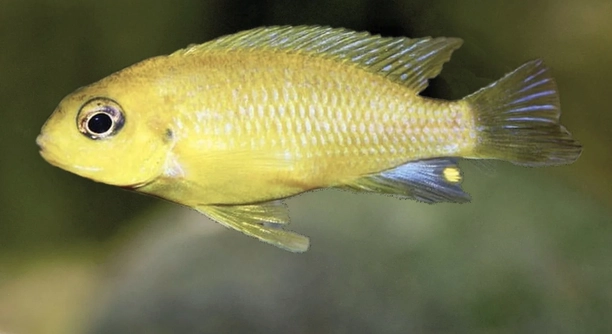
African cichlids are popular freshwater fish known for their bright colors and active behavior. Many aquarium enthusiasts enjoy keeping them but often wonder about their well-being. Understanding how these fish perceive their environment is important for responsible care.
Research indicates that African cichlids have the neurological structures necessary to detect harmful stimuli, suggesting they can experience pain to some degree. Studies focus on behavioral and physiological responses to assess pain perception in these fish species.
Knowing how cichlids respond to pain helps improve their care and handling. This article examines what scientific studies reveal about their ability to feel pain.
How African Cichlids Respond to Harmful Stimuli
African cichlids display clear reactions when exposed to potentially harmful situations. For example, they may quickly swim away or rub their bodies against objects after injury or irritation. These behaviors suggest a form of discomfort or distress. Scientists observe changes in their swimming patterns, feeding habits, and interactions with other fish to determine their response. Additionally, physiological changes, such as elevated heart rate or stress hormone levels, support the idea that these fish sense negative stimuli. This combination of behavioral and biological responses is a key indicator used by researchers to study pain perception. It shows that African cichlids are not simply reacting reflexively but may be experiencing something akin to pain, which influences their behavior and well-being.
This evidence supports the notion that African cichlids react to injury with both behavioral and physiological changes, implying a degree of pain sensitivity.
Understanding these responses helps ensure better treatment and care by reducing stress and avoiding harmful conditions in aquarium settings.
Scientific Methods Used to Study Pain in Cichlids
Researchers use various tests to study pain in African cichlids. One common method involves exposing fish to mild irritants, such as acetic acid or temperature changes, and then observing their behavior. Scientists record how long fish try to avoid the irritant or how they protect the affected area. Another approach measures physiological indicators like cortisol levels, a hormone released during stress or pain. Brain activity studies also help identify areas that respond to painful stimuli. These methods together give a clearer picture of how cichlids perceive pain.
Pain studies in fish face challenges, such as differentiating between simple reflexes and true pain perception. Despite these challenges, research is progressing to better understand fish sensations. By improving experimental designs and ethical standards, scientists aim to refine knowledge about fish pain and inform better care practices for African cichlids in captivity.
Differences Between Reflex and Pain Responses
Reflex actions in African cichlids happen automatically and quickly, without conscious thought. These include sudden movements to avoid danger. Pain responses, however, involve more complex behaviors like rubbing or guarding an injured area, which suggest awareness of discomfort beyond a simple reflex.
Studies show that cichlids often change their normal behavior after injury, such as reducing activity or avoiding certain areas. These changes last longer than reflexes and involve decision-making, hinting at a pain experience. For example, fish may ignore food or shelter to protect themselves from further harm.
This extended response contrasts with brief reflexes and implies a higher level of processing. Understanding these differences is important when interpreting fish behavior and ensuring they receive appropriate care.
Ethical Considerations in Fish Care
Acknowledging that African cichlids can feel pain raises important ethical questions about how they are treated. Proper handling, tank conditions, and minimizing stress become essential to their welfare.
Aquarists should avoid sudden changes and rough handling that might cause injury. Providing hiding spots and stable water quality reduces stress, which can worsen pain perception. Ethical care also includes using humane methods during necessary medical treatments or procedures.
Improved understanding of pain in fish encourages more thoughtful aquarium practices. It promotes a balance between enjoyment of keeping these fish and respecting their well-being. Being aware of their needs leads to healthier, happier cichlids.
Recognizing Signs of Pain in African Cichlids
African cichlids may show signs of pain through changes in behavior, such as decreased activity or loss of appetite. These subtle signs are important to notice early for better care and treatment.
Other signs include abnormal swimming patterns or excessive rubbing against tank surfaces, which can indicate irritation or injury.
Common Causes of Pain in Cichlids
Pain in African cichlids can result from injuries, poor water quality, or aggressive tank mates. Physical damage like fin tears or wounds is often painful. Stress caused by unstable environments also worsens discomfort and delays healing.
Maintaining good tank conditions and careful monitoring help prevent many pain-related problems in these fish.
How to Reduce Pain for Your Cichlids
Reducing pain involves providing clean water, stable temperatures, and appropriate hiding spots. Avoid overcrowding to minimize aggression and injuries. If injury occurs, prompt treatment with appropriate medications is necessary to ease discomfort and promote healing.
Importance of Observation
Careful observation helps detect pain early, allowing timely intervention. Regular monitoring ensures healthier, more comfortable cichlids.
FAQ
Can African cichlids feel pain like mammals?
African cichlids do not feel pain exactly like mammals, but research shows they have the capacity to sense harmful stimuli and react in ways that suggest discomfort. Their nervous system supports pain detection, though it is simpler than that of mammals. They respond with behaviors indicating distress, which should be taken seriously in care.
How can I tell if my cichlid is in pain?
Look for changes in swimming, such as sluggish movement or erratic patterns. A cichlid in pain might rub its body against tank surfaces or hide more than usual. Loss of appetite and reduced interaction with other fish are also signs. These behaviors often follow injury or stressful conditions.
What causes pain in African cichlids?
Pain often results from physical injuries, such as fin damage or bites from other fish. Poor water quality can cause irritation and inflammation. Stress from overcrowding or sudden environmental changes can worsen discomfort. Proper tank management is essential to reduce these risks.
Can fish recover from pain quickly?
Recovery depends on the injury’s severity and tank conditions. Minor wounds may heal in days with good water quality and reduced stress. More serious injuries or infections require treatment and longer healing. Keeping the environment stable supports faster recovery.
Is it okay to use painkillers for cichlids?
Fish pain management is different from mammals, and most common painkillers are not safe for aquarium use. Some veterinary products are designed for fish, but these should only be used under expert advice. Avoid self-medicating without proper knowledge.
How should I handle injured cichlids?
Handle injured cichlids gently and as little as possible to reduce stress. Use a soft net and avoid squeezing. If treatment is needed, isolate the fish in a hospital tank to prevent further harm. Always maintain excellent water conditions during recovery.
Do cichlids feel stress-related pain?
Stress can heighten a fish’s sensitivity to pain. Poor water quality, aggressive tank mates, or frequent disturbances create stress that weakens the immune system and prolongs healing. Minimizing stress is key to managing pain effectively.
Can tank setup affect my cichlid’s pain levels?
Yes. A well-designed tank with adequate space, hiding places, and proper filtration lowers stress and injury risks. Sharp decorations or overcrowding increase chances of physical harm. Regular maintenance and careful setup promote comfort.
Are there natural behaviors that indicate pain?
Yes. Limping, favoring one side, or sudden jerky movements often signal discomfort. Changes in social behavior, such as isolation or aggression, can also indicate something is wrong. Watching for these signs helps catch problems early.
What should I do if I suspect my cichlid is in pain?
First, check water parameters and tank conditions to rule out environmental causes. If the fish has visible wounds or behaves abnormally, consider consulting a vet experienced in fish care. Prompt action reduces suffering and improves recovery chances.
African cichlids are complex creatures with the ability to respond to harmful stimuli in ways that suggest they can experience pain. Scientific studies show these fish have the nervous systems needed to detect injury and discomfort, and their behaviors support this understanding. Recognizing pain in cichlids means paying attention to changes in their actions, such as rubbing, hiding, or altered swimming patterns. These signs are important because they indicate that the fish may be suffering and need care or treatment. Knowing this helps anyone who keeps cichlids provide a better environment that reduces stress and injury.
Taking proper care of African cichlids means more than just feeding and cleaning their tank. It requires careful observation of their behavior and attention to water quality and tank conditions. Pain can arise from injuries, poor water conditions, or aggressive interactions with other fish. These factors can cause discomfort and slow healing if not addressed promptly. Creating a stable, safe environment with appropriate hiding spots and clean water can prevent many issues. When injury or signs of pain do occur, early intervention is key. Proper handling and treatment can help the fish recover and improve their overall well-being.
Understanding that African cichlids can experience pain encourages more ethical and thoughtful care. It reminds us that fish are living beings with needs that go beyond basic survival. By recognizing the signs of pain and stress, aquarium keepers can take steps to improve the quality of life for their fish. This approach not only benefits the cichlids but also leads to a more rewarding and responsible aquarium experience. Caring for these fish with respect and attention to their health supports their long-term happiness and vitality in captivity.

Hello,
If you enjoy the content that we create, please consider saying a "Thank You!" by leaving a tip.
Every little bit helps us continue crafting quality advice that supports the health, happiness, and well-being of pets around the world, for pets of all shapes, sizes, and species.
We really appreciate the kindness and support that you show us!