
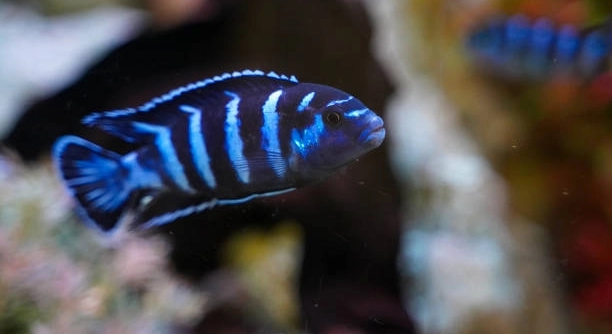
African cichlids are popular aquarium fish known for their vibrant colors and active behavior. Many fishkeepers appreciate their beauty but also wonder about their well-being. Understanding if these fish can feel pain is important for proper care and handling.
Research indicates that African cichlids possess the necessary neural structures to detect harmful stimuli, suggesting they can experience pain. Studies show behavioral and physiological responses consistent with pain perception, emphasizing the need for humane treatment in captivity.
Knowing how African cichlids respond to pain helps improve their care and supports ethical decisions in fishkeeping practices. This article explains what science reveals about their sensory experiences.
How African Cichlids Sense Pain
African cichlids have nervous systems similar to other vertebrates, which include nerve endings called nociceptors. These nociceptors detect harmful stimuli such as injury or extreme temperature. When these fish experience such stimuli, their bodies react by releasing stress hormones and changing behavior. For example, cichlids may avoid certain areas or rub injured parts, showing signs that go beyond simple reflexes. Scientists have observed that these responses are more complex than just automatic reactions, suggesting an awareness of discomfort. This implies that their experience of pain might be more than just a basic sensation. Understanding this helps fishkeepers treat cichlids with more care, especially during tank maintenance or transport, minimizing unnecessary harm. It also supports the idea that pain relief or gentle handling can improve their welfare in captivity.
Their ability to sense pain affects how we manage their environment and handle them.
Proper care means recognizing their sensitivity and avoiding painful experiences whenever possible.
Evidence from Scientific Studies
Studies on fish, including African cichlids, have tested responses to painful stimuli by observing changes in behavior and physiology. When exposed to minor injuries or irritants, cichlids display behaviors such as reduced feeding, rubbing affected areas, and seeking shelter more often. These reactions are similar to those seen in animals known to feel pain. Researchers also measure stress indicators, like cortisol levels, which rise when fish are hurt or stressed. The consistency of these responses across different studies strengthens the idea that cichlids feel pain rather than just reflex actions. These findings have important implications for aquarium care and fish handling in research settings. They highlight the importance of minimizing stressful or harmful conditions to promote better health and welfare for the fish. Humane treatment based on scientific evidence benefits both the fish and their keepers.
Signs of Pain in African Cichlids
African cichlids often show pain through changes in behavior. They may swim less, hide more, or rub injured areas. These signs help indicate when something is wrong. Watching these changes closely is important for their well-being.
Behavioral changes like reduced activity and increased hiding suggest discomfort or injury. Fish may also show unusual aggression or become less responsive to food. These signs are key for identifying pain since fish cannot communicate directly. Observing their daily behavior allows early detection of problems, improving chances for timely care.
Physiological responses support behavioral signs of pain. Elevated stress hormones and changes in heart rate occur when cichlids face harmful stimuli. These physical changes confirm that their experience goes beyond simple reflexes. Recognizing both behavioral and physiological signals helps provide better care and treatment for African cichlids.
Caring for African Cichlids to Reduce Pain
Maintaining good water quality and avoiding rough handling are essential for reducing pain in African cichlids. Clean water limits infections, while gentle handling prevents injuries. Both factors improve their overall health.
Stress from poor water conditions or aggressive tank mates can cause physical and emotional pain. Regular monitoring and stable environments reduce this risk. Providing plenty of hiding spaces helps cichlids feel secure and lowers stress levels. Additionally, using appropriate nets and minimizing direct contact during tank maintenance avoids accidental harm. Proper feeding and avoiding overcrowding also support their well-being. A thoughtful approach to care prevents many causes of pain and promotes a healthy, comfortable habitat.
Pain Relief Options for African Cichlids
Pain relief in African cichlids is possible but limited. Some fishkeepers use mild anesthetics during stressful procedures to reduce discomfort. These treatments should be used carefully and under guidance.
Natural recovery is often the best option. Providing a calm environment supports healing without added stress or chemicals.
Handling African Cichlids to Minimize Pain
Gentle handling reduces the risk of injury and pain. Using soft nets and limiting handling time helps protect their delicate bodies. Avoid sudden movements to prevent stress, which can worsen pain and delay healing.
Why Understanding Fish Pain Matters
Recognizing that African cichlids feel pain encourages more humane treatment. It supports better care practices, leading to healthier and less stressed fish.
Common Mistakes That Cause Pain
Rough handling and poor water quality are frequent causes of pain. Avoid overcrowding and aggressive tank mates to prevent injuries.
What signs show that an African cichlid is in pain?
African cichlids show pain through behavior changes such as swimming less, hiding more, or rubbing injured areas. They may also eat less or become more aggressive. These changes help signal discomfort because fish cannot verbally communicate. Paying attention to these signs can help identify pain early.
Can African cichlids feel pain like mammals?
While fish brains differ from mammals, research suggests African cichlids have the necessary structures to detect pain. Their responses are not just reflexive but involve stress hormone changes and behavior adjustments, indicating a more complex experience of pain. It is not exactly like mammals, but it is still significant.
How should I handle my African cichlids to avoid causing pain?
Handle them gently with soft nets and avoid quick movements. Limit handling time and avoid lifting them out of water unnecessarily. Sudden handling can cause stress and physical injury, leading to pain. Providing a calm, secure environment during maintenance reduces harm.
Are there treatments available for pain relief in African cichlids?
Pain relief options are limited but some fishkeepers use mild anesthetics or sedatives during stressful procedures. These treatments require careful use and expert guidance. Most of the time, ensuring good water quality and minimal stress helps fish recover naturally without drugs.
Does water quality affect pain or discomfort in African cichlids?
Yes, poor water quality can cause infections, irritations, and stress that lead to pain. Maintaining clean water with stable temperature, pH, and low toxins is essential for their comfort and health. Good water conditions also support faster healing from injuries.
Can tank mates cause pain to African cichlids?
Aggressive or territorial tank mates can injure African cichlids through fights or bullying. These injuries cause pain and stress. Choosing compatible species and providing enough space and hiding spots helps reduce conflicts and protects fish from harm.
How can I tell if an injury is serious enough to need treatment?
Look for open wounds, persistent rubbing, or changes in behavior like refusal to eat or lethargy. If signs last more than a day or worsen, medical treatment may be needed. Consulting an aquatic veterinarian or experienced fishkeeper is advised for proper care.
Is it necessary to avoid handling African cichlids completely?
Avoiding handling when possible is best, but sometimes it is necessary for tank maintenance or health checks. When needed, handle carefully and quickly to minimize stress and injury. Use gentle techniques and keep handling time as short as possible.
Do African cichlids recover well from painful injuries?
They can recover well if injuries are minor and conditions are good. Clean water, low stress, and proper nutrition help healing. Serious injuries may require additional care. Preventing injuries is the best way to ensure long-term health.
What daily care practices help prevent pain in African cichlids?
Regular water testing, proper feeding, and monitoring behavior help detect problems early. Avoid overcrowding, aggressive tank mates, and sudden changes in environment. Providing hiding places reduces stress and discomfort. Consistent care supports overall well-being and lowers the risk of pain.
Are there ethical considerations regarding pain in African cichlids?
Yes, knowing they can feel pain means keepers should treat them humanely. Avoiding painful procedures or using pain relief when necessary respects their welfare. Ethical care improves the lives of the fish and reflects responsible fishkeeping.
Can stress cause pain or make it worse in African cichlids?
Stress alone may not cause physical pain but can weaken immune response and increase sensitivity to pain. Stressful conditions like poor water quality, overcrowding, or aggressive tank mates worsen health and slow recovery from injuries. Reducing stress is key for pain management.
Is it normal for African cichlids to hide after an injury?
Yes, hiding is a common coping behavior when they feel pain or stress. It helps them avoid further harm and conserve energy to heal. Persistent hiding combined with other signs may require attention to ensure proper recovery.
What role do diet and nutrition play in pain management?
Good nutrition strengthens the immune system and supports tissue repair. Feeding a balanced diet appropriate for African cichlids helps them recover from injuries and maintain health, reducing the impact of pain caused by disease or wounds.
Can I use over-the-counter medications for pain relief in African cichlids?
Most human or pet pain medications are unsafe for fish. Only specialized aquatic medications should be used, and only under expert advice. Incorrect use can harm fish or worsen their condition. Professional guidance is essential for safe treatment.
African cichlids are complex creatures capable of sensing pain, according to research. Their nervous systems include structures that detect harmful stimuli, and their behaviors and stress responses show they experience discomfort beyond simple reflexes. This understanding matters because it guides how we care for these fish. Recognizing that they can feel pain helps fishkeepers avoid unnecessary harm and improve the quality of life for their cichlids. Proper handling, clean water, and a stable environment are essential parts of this care. When we respect their sensitivity, we contribute to healthier, less stressed fish.
Taking steps to minimize pain means paying close attention to how cichlids behave. Changes like hiding, reduced swimming, or rubbing injured areas often indicate discomfort. These signs should prompt timely action to identify possible causes such as injuries, poor water quality, or aggression from other tank mates. Using gentle handling methods and avoiding sudden or rough contact lowers the risk of injury. Providing hiding spots and avoiding overcrowding helps reduce stress, which can worsen pain and slow recovery. Consistent monitoring and preventive care are key to keeping cichlids healthy and comfortable in their environment.
While there are limited medical options for pain relief in African cichlids, a calm, stable habitat supports natural healing. Fishkeepers can use mild anesthetics during certain procedures but should do so cautiously and under expert advice. More importantly, preventing pain through thoughtful care is the best approach. Understanding the signs of pain and how to avoid causing it shows respect for the well-being of these fish. By following good care practices, fishkeepers help ensure their African cichlids live healthier lives with less suffering. This awareness benefits both the fish and those who care for them.

Hello,
If you enjoy the content that we create, please consider saying a "Thank You!" by leaving a tip.
Every little bit helps us continue crafting quality advice that supports the health, happiness, and well-being of pets around the world, for pets of all shapes, sizes, and species.
We really appreciate the kindness and support that you show us!