
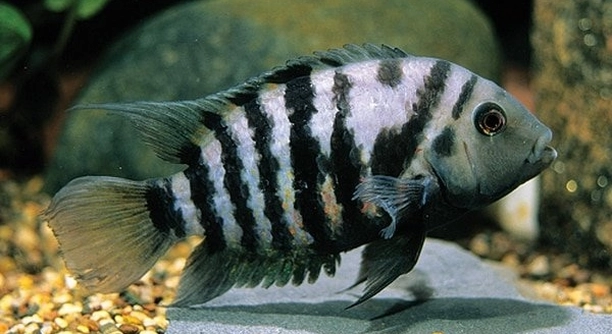
African cichlids are popular freshwater fish known for their bright colors and active behavior. Many fishkeepers want to know if these fish can eat algae wafers as part of their diet. Understanding their feeding habits helps ensure their health and well-being.
African cichlids can eat algae wafers, but these should only supplement their diet. Their natural diet includes a mix of protein and plant matter, so algae wafers provide some nutrients but are not sufficient alone.
Knowing how algae wafers fit into their feeding routine can improve care and keep your cichlids healthy. This article will explain what you need to consider for balanced nutrition.
What Are Algae Wafers?
Algae wafers are a type of fish food designed to provide essential nutrients found in algae. They are commonly used for herbivorous and omnivorous fish that eat plant material in the wild. These wafers come in a compact, slow-sinking form, making them easy for bottom-feeders to consume. They contain ingredients such as spirulina, seaweed, and various vegetable extracts, which help support the fish’s digestive system and overall health. While algae wafers are nutrient-rich, they are not meant to be the sole food source for most fish. For African cichlids, these wafers can complement their diet, but they still require protein from other sources. Feeding algae wafers occasionally can help provide fiber and vitamins, but over-reliance may cause nutritional imbalance.
Algae wafers are beneficial but should be part of a varied diet to meet all the nutritional needs of African cichlids.
Including algae wafers occasionally is useful, but African cichlids thrive best with a mix of foods. Their natural diet is diverse, including insects, small invertebrates, and plant matter. Providing a combination of high-quality pellets, flakes, and live or frozen foods ensures they get enough protein and essential nutrients. Algae wafers add fiber and help with digestion, but too much can lead to excess waste and water quality issues. It is important to monitor how much you feed and adjust based on their activity and health. A balanced diet supports their vibrant colors and active behavior.
Feeding Tips for African Cichlids
Feeding African cichlids requires attention to portion size and variety to maintain good health.
African cichlids need a balanced diet that mimics their natural feeding habits. Overfeeding algae wafers or any single food type can cause digestive problems or poor water conditions. It is best to feed small amounts multiple times a day rather than one large feeding. Observe how much your fish consume within a few minutes and remove excess food promptly. Including protein-rich options like brine shrimp, bloodworms, or specially formulated cichlid pellets will provide necessary nutrients. Some species prefer more plant-based foods, so adjust the diet accordingly. Rotate different types of food to keep their diet interesting and nutritionally complete. Clean tank conditions and regular water changes also support digestion and overall well-being.
Careful feeding habits and a varied diet contribute significantly to keeping African cichlids healthy and vibrant over time.
Can Algae Wafers Replace Other Foods?
Algae wafers cannot fully replace the variety of foods African cichlids need. They lack some proteins and nutrients essential for growth and health.
While algae wafers provide useful plant-based nutrients, African cichlids require a balanced diet that includes protein from insects, crustaceans, or commercial pellets. Relying only on algae wafers can cause nutritional deficiencies, leading to poor coloration, weakened immune systems, and slower growth. A mix of foods supports their natural dietary needs. Combining algae wafers with high-quality pellets and occasional live or frozen foods ensures a well-rounded diet. This variety helps maintain energy levels and promotes vibrant colors.
Additionally, different species of African cichlids have varying dietary needs. Some are more herbivorous and may tolerate more algae wafers, while others are carnivorous and require more protein-rich foods. Understanding your specific cichlid species’ preferences can help create a feeding plan that meets their nutritional needs without depending too heavily on algae wafers.
Potential Downsides of Feeding Only Algae Wafers
Feeding only algae wafers can lead to health problems in African cichlids. Nutritional imbalance is a common issue.
Algae wafers lack sufficient protein and certain vitamins essential for many African cichlid species. Feeding them exclusively can cause malnutrition, weakening their immune system and making them more prone to disease. Additionally, excess algae wafer feeding may increase waste buildup in the tank, which harms water quality and stresses fish. Poor water conditions can result in slower growth and duller colors.
Maintaining a balanced diet and monitoring feeding amounts prevents these issues. Using algae wafers as a supplement, not a main food source, helps avoid nutritional gaps. Providing a mix of plant and animal-based foods supports healthy growth and vibrant coloration, ensuring your cichlids remain active and strong.
How Often Should You Feed Algae Wafers?
Feeding algae wafers occasionally is best to supplement your African cichlids’ diet. Overfeeding can cause digestive and water quality problems.
Most keepers offer algae wafers once or twice a week, depending on the species. This helps provide extra fiber and nutrients without replacing their main diet. Monitoring their response helps adjust feeding frequency for optimal health.
Best Algae Wafers for African Cichlids
Choose algae wafers with high-quality ingredients like spirulina, seaweed, and added vitamins. Avoid wafers with fillers or artificial additives.
Quality wafers support digestion and provide necessary nutrients. Reading labels and choosing trusted brands ensures your cichlids get the benefits without harmful extras.
Watching Your Fish’s Health
Keep an eye on your cichlids’ behavior and appearance after introducing algae wafers. Changes may indicate dietary issues.
FAQ
Can African cichlids eat algae wafers every day?
Feeding algae wafers daily is not recommended for African cichlids. These wafers are plant-based and lack the full range of nutrients your cichlids need. Overfeeding algae wafers can cause nutritional imbalances and contribute to poor water quality. It is better to offer algae wafers as an occasional treat or supplement to their regular diet.
Are algae wafers enough for herbivorous African cichlids?
Even herbivorous African cichlids need a varied diet. While algae wafers supply some necessary plant nutrients, these fish also require proteins and other nutrients from different sources. A diet including fresh vegetables, quality pellets, and occasional live or frozen foods ensures they stay healthy and grow properly.
What are signs my cichlids are eating too many algae wafers?
If your cichlids start to show dull colors, reduced activity, or bloating, it might mean they are eating too many algae wafers. Excessive plant-based food can upset their digestion and cause water pollution. Monitor their eating habits and adjust feeding amounts if you notice these symptoms.
Can algae wafers cause water quality problems?
Yes, uneaten algae wafers can quickly break down and pollute the tank water. This leads to increased ammonia and nitrite levels, which stress the fish and can cause health issues. Always feed only what your fish can consume in a few minutes and remove leftovers promptly.
How do I know which algae wafers are best?
Look for algae wafers made from natural ingredients like spirulina, seaweed, and added vitamins. Avoid products with fillers or artificial colors. Reading reviews and choosing brands recommended by experienced fishkeepers can help ensure quality and safety for your cichlids.
Can algae wafers replace live or frozen foods?
Algae wafers cannot fully replace live or frozen foods. Live and frozen options provide important proteins and nutrients that support growth and immune function. Using a mix of foods is essential for balanced nutrition.
Are algae wafers suitable for juvenile cichlids?
Juvenile cichlids need a higher protein diet for proper growth. While algae wafers can be given occasionally, they should not be a main food source at this stage. Focus on protein-rich pellets or live foods to meet their nutritional needs.
Do all African cichlids eat algae wafers the same way?
Different species have different diets and preferences. Some species are more herbivorous and will readily eat algae wafers, while others prefer carnivorous diets. Researching your specific cichlid species helps tailor their feeding plan.
Is it okay to mix algae wafers with other foods?
Yes, mixing algae wafers with pellets or frozen foods helps provide balanced nutrition. It also keeps the diet varied, which encourages better appetite and health.
How should I store algae wafers?
Store algae wafers in a cool, dry place away from direct sunlight. Proper storage keeps them fresh and preserves their nutritional value.
Can algae wafers help reduce algae growth in the tank?
Feeding algae wafers does not significantly reduce algae growth in the aquarium. They are meant to supplement fish diets, not control algae levels. Proper tank maintenance and algae-eating species are better solutions for algae control.
What should I do if my cichlids refuse algae wafers?
If your cichlids ignore algae wafers, try offering different brands or types. Some may prefer flakes or pellets with algae content instead. Observing their preferences will help find suitable foods they enjoy.
How much algae wafer should I feed at one time?
Feed only small portions your fish can finish within 2–3 minutes. Overfeeding can pollute the tank and cause health problems.
Are algae wafers good for breeding cichlids?
Algae wafers alone are not enough during breeding. Breeding cichlids need high-protein diets to support energy and fry development. Use algae wafers as a supplement alongside protein-rich foods.
Can algae wafers cause constipation in cichlids?
Feeding too many algae wafers can sometimes cause digestive issues like constipation due to their fiber content. Balance their diet with protein-rich foods and monitor for any changes in stool or behavior.
African cichlids are fascinating fish with specific dietary needs that affect their health and appearance. Algae wafers can be a helpful part of their diet because they provide plant-based nutrients that support digestion and overall well-being. However, these wafers should never be the only food offered. African cichlids require a balanced diet that includes proteins, vitamins, and minerals to stay strong and vibrant. Understanding the role algae wafers play in their nutrition helps fishkeepers make better feeding choices and avoid problems like nutritional deficiencies or poor water quality.
Including algae wafers as a supplement is a good way to add fiber and plant nutrients, but it is important to combine them with other foods. High-quality pellets, flakes, and live or frozen protein sources provide essential nutrients that algae wafers cannot supply alone. Feeding a variety of foods keeps cichlids healthy, active, and colorful. It also mimics their natural diet, which is diverse and balanced. Careful portion control is equally important because overfeeding any type of food can lead to health issues and poor aquarium conditions. Watching your fish’s behavior and adjusting feeding amounts will help maintain their well-being.
Ultimately, keeping African cichlids healthy requires attention to diet, tank cleanliness, and observation. Algae wafers are useful when used correctly, but they are just one part of a larger feeding strategy. Providing a range of nutritious foods and maintaining good water quality will ensure your cichlids thrive. Feeding practices that respect their natural needs result in stronger fish with brighter colors and longer lifespans. Taking time to learn about the proper diet for your specific cichlid species will pay off in a more enjoyable and rewarding aquarium experience.

Hello,
If you enjoy the content that we create, please consider saying a "Thank You!" by leaving a tip.
Every little bit helps us continue crafting quality advice that supports the health, happiness, and well-being of pets around the world, for pets of all shapes, sizes, and species.
We really appreciate the kindness and support that you show us!