
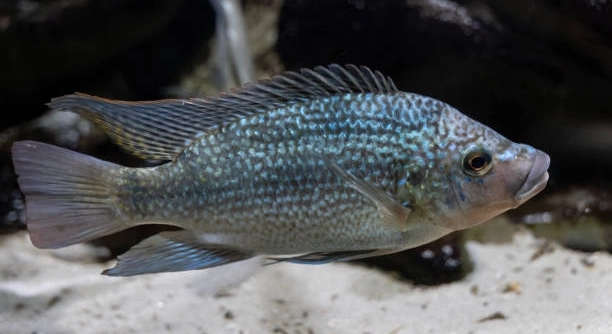
African cichlids are popular aquarium fish known for their vibrant colors and lively behavior. Many fish keepers notice unique interactions among these cichlids and wonder about their social connections. Understanding these behaviors can improve how we care for them.
African cichlids can form social bonds, particularly within their own species or established groups. These bonds are often based on hierarchy, territory, and breeding pairs rather than affection in a human sense. Such relationships influence their behavior and social structure in captivity.
Exploring the social dynamics of these fish reveals more about their natural instincts and how to create a better environment for them in home aquariums.
Understanding African Cichlid Social Behavior
African cichlids show complex social behaviors shaped by their natural environments. In the wild, they live in groups where territory and dominance play important roles. These fish communicate using body language, color changes, and movements. Some species form pairs during breeding seasons, which can appear as bonds. However, these connections are often about reproduction or establishing control rather than emotional attachment. In home aquariums, their social interactions can be influenced by tank size, number of fish, and habitat setup. Providing enough space and hiding spots helps reduce stress and aggressive behaviors. Observing their interactions carefully can reveal signs of hierarchy and cooperation. Some cichlids may tolerate others more when they feel secure. Recognizing these behaviors helps in managing a peaceful aquarium and ensuring the fish’s well-being.
African cichlids mainly interact through dominance and territory defense. Their social bonds support these functions rather than emotional connections.
Creating an environment that respects these social needs can lead to healthier fish and fewer conflicts in your aquarium.
How Bonds Affect Cichlid Health and Behavior
Social structures in African cichlids impact their overall health and behavior significantly. When kept in well-maintained groups, they show more natural behaviors and less stress. Stress from poor social conditions can cause illness and reduce lifespan. Aggression is common if fish feel crowded or threatened, so maintaining balance is key. Some species establish clear territories, and interference can trigger fights. Observing their body language, such as flared fins or chasing, helps identify tensions early. Proper feeding routines and regular water changes also contribute to reducing stress. When cichlids feel secure in their social groups, they display vibrant colors and active behavior. Healthy social interactions promote breeding, which is important for species that rely on pair bonds. Careful tank management supports these natural processes and improves the quality of life for the fish.
Building a social environment that meets their natural instincts is essential for keeping African cichlids healthy and content.
Recognizing Bonding Behaviors in African Cichlids
Certain behaviors suggest African cichlids form bonds, especially during breeding. Pair swimming, mutual cleaning, and guarding territory together are common signs. These actions help maintain their social structure and reduce conflict within the group.
Pair swimming shows coordination and trust between two fish. Mutual cleaning helps remove parasites, indicating cooperation. Guarding territory together supports their breeding success by protecting eggs and fry. These behaviors often depend on species and environment. Not all cichlids show the same level of interaction, but those in stable groups usually display more bonding actions. Watching these signs can improve how you manage your aquarium, allowing for healthier relationships among the fish.
Bonding behaviors mainly support survival and reproduction. They do not mean cichlids form emotional attachments like mammals do, but these actions are important for their wellbeing.
Impact of Tank Setup on Cichlid Bonds
Tank setup plays a crucial role in the social dynamics of African cichlids. Providing enough space and hiding places reduces aggression and supports bonding behaviors. Overcrowded tanks increase stress and fighting, breaking down social bonds. Hardscape elements like rocks and caves create natural territories where fish feel secure. Proper water quality and stable conditions also encourage positive interactions. A well-organized tank mimics their natural environment, helping fish display more natural behaviors. Regular observation and adjustments improve social balance.
A tank that respects the cichlids’ territorial needs allows bonds to form more easily. Without proper setup, stress and aggression prevent stable social structures, reducing the fish’s overall health and happiness.
Breeding Pairs and Their Bonds
Breeding pairs of African cichlids often show the strongest bonds. They stay close, protect their eggs, and work together to guard their territory. These behaviors help ensure the survival of their offspring.
Outside breeding, these pairs may separate or become more territorial. Their bond is closely tied to reproduction.
Signs of Stress That Affect Bonds
Stress weakens social bonds in African cichlids. Signs include hiding, loss of color, and increased aggression. Stress often results from overcrowding, poor water quality, or lack of hiding spots. Reducing stress through better care improves their social interactions and overall health.
How to Encourage Positive Bonds
Maintaining clean water, providing space, and offering hiding spots support healthy social behavior. Keeping compatible species together reduces aggression and promotes cooperation. Consistent feeding routines and low disturbance also help cichlids feel secure, encouraging bonding behaviors to develop naturally.
Avoid Overcrowding
Too many fish in one tank cause stress and break down social bonds quickly.
FAQ
Can African cichlids really form bonds like other animals?
African cichlids do form social connections, but these are different from bonds seen in mammals or birds. Their interactions mainly focus on survival needs such as establishing territory, protecting offspring, or breeding partnerships. While they show cooperation and recognition within groups, these behaviors serve practical purposes rather than emotional attachment.
How can I tell if my cichlids have formed bonds?
Look for behaviors like pair swimming, mutual cleaning, or joint territory defense. Fish that stay close together or guard eggs as a team usually have some form of social connection. However, these signs depend on the species and tank conditions, so not all cichlids will display them clearly.
Do bonded cichlids fight less?
Generally, yes. When cichlids recognize each other and have established social roles, there tends to be less random aggression. Still, territorial disputes can happen, especially if the tank is overcrowded or lacks enough hiding spaces. Good tank management is key to keeping fights minimal.
Can cichlids bond with fish of other species?
It’s uncommon. African cichlids typically bond within their own species or closely related ones. Mixed species tanks may result in competition and stress, reducing chances for bonding. However, peaceful coexistence is possible with careful planning and enough space.
Does tank size affect cichlid bonds?
Yes, tank size plays a big role. Larger tanks provide enough room for territories and reduce stress, allowing bonds to form more easily. Small or overcrowded tanks increase aggression and break down social structure. Providing at least 30 gallons for smaller species and more for bigger ones helps maintain social balance.
What role does tank decor play in bonding?
Tank decorations such as rocks, caves, and plants create natural hiding spots and territories. These areas help reduce conflicts by giving fish places to retreat and claim. A well-decorated tank encourages natural behaviors, supports breeding pairs, and strengthens social bonds by reducing stress.
How do I reduce stress to help cichlids bond?
Maintain excellent water quality with regular changes, avoid overcrowding, and provide a stable environment. Consistent feeding schedules and minimal disturbances also lower stress levels. Stress weakens social connections, so keeping conditions calm and stable is important for healthy bonds.
Can bonds between cichlids change over time?
Yes, bonds can shift based on social dynamics, breeding cycles, or environmental changes. For example, breeding pairs may separate after fry grow, or new fish introductions can disrupt established groups. Regular observation helps you understand these changes and adjust tank conditions accordingly.
Is it necessary to keep cichlids in groups to encourage bonding?
Keeping cichlids in groups of their own species usually encourages social interaction and bonding behaviors. However, group size should be balanced to avoid overcrowding and aggression. Small groups or pairs often work well, depending on the species and tank size.
Do cichlids show signs of grief or loss when separated?
There is no scientific evidence that cichlids experience grief like mammals. Changes in behavior after separation or loss of a tank mate usually relate to stress or changes in social hierarchy rather than emotional loss. Monitoring their behavior helps ensure any changes are addressed quickly.
Can bonded cichlids recognize their owners?
Some cichlids may recognize the presence of their caretakers, especially if regularly fed or interacted with. This recognition is likely based on routine and environmental cues rather than emotional attachment. Fish may respond with excitement or approach the tank during feeding time.
What should I do if aggression breaks out between bonded cichlids?
First, check if the tank is overcrowded or if there’s a lack of hiding spots. Improving the environment often reduces aggression. If fighting continues, consider separating aggressive individuals or rearranging tank decor to break territorial claims. Patience and observation are important during this process.
Are there particular species of African cichlids that bond more easily?
Certain species like the Mbuna or Peacock cichlids show more clear social structures and bonding behaviors. Mouthbrooders also form strong breeding pairs. Knowing the natural behaviors of your specific cichlid species helps in managing their social needs properly.
How long do bonds typically last?
Breeding pair bonds last through the breeding cycle but may dissolve afterward. Group bonds depend on tank conditions and individual personalities, so duration varies. Stable, low-stress environments tend to support longer-lasting social connections.
Does diet affect social bonding in cichlids?
Proper nutrition supports overall health, which in turn influences behavior. Healthy fish are less stressed and more likely to maintain social bonds. A balanced diet rich in protein, vitamins, and minerals is essential for active, cooperative cichlids.
Can I introduce new cichlids to an established bonded group?
Introducing new fish can disrupt existing bonds and cause aggression. Introduce newcomers slowly, in neutral territory if possible, and provide plenty of hiding spots. Watching interactions carefully helps reduce stress and supports smoother integration.
African cichlids show a range of social behaviors that can sometimes look like bonding. Their interactions mostly serve practical purposes like defending territory, breeding, or establishing social order within their groups. While they don’t form emotional bonds in the way mammals or birds might, these social connections are important for their survival and well-being. Recognizing these behaviors helps fish keepers create better environments that support the natural instincts of cichlids. Understanding the difference between practical social bonds and emotional attachments allows for more realistic expectations when caring for these fish.
Providing the right environment plays a major role in how well African cichlids interact and coexist. A tank with enough space, hiding spots, and stable water conditions reduces stress and aggression, allowing social structures to develop more easily. Breeding pairs tend to show the clearest forms of bonding, working together to protect their eggs and territory. Outside of breeding, cichlids rely on dominance and territorial behaviors to maintain order. Watching their body language and social interactions helps identify when fish are comfortable or stressed, which is useful for improving tank management. Keeping tank conditions balanced benefits both the physical health and social behavior of the fish.
Ultimately, caring for African cichlids involves understanding their natural social needs and adjusting the aquarium setup accordingly. Regular maintenance, proper feeding, and thoughtful stocking help reduce conflicts and encourage cooperative behaviors. Although these fish do not form emotional bonds like some other animals, they can still show recognizable social connections that impact their daily lives. Paying attention to these signs allows for a healthier and more peaceful aquarium environment. By supporting their social behavior in ways that reflect their natural instincts, you ensure the well-being and happiness of your African cichlids.

Hello,
If you enjoy the content that we create, please consider saying a "Thank You!" by leaving a tip.
Every little bit helps us continue crafting quality advice that supports the health, happiness, and well-being of pets around the world, for pets of all shapes, sizes, and species.
We really appreciate the kindness and support that you show us!