
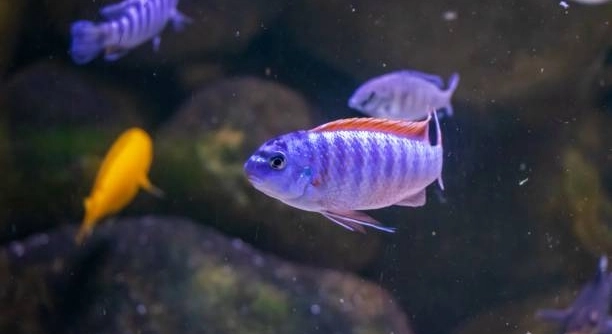
Have you ever spent time watching your fish and wondered if they can understand how you feel just by looking at you?
Recent studies suggest African cichlids can detect emotional cues through visual signals, particularly facial expressions. Their ability to read emotions may play a role in social behavior, territorial defense, and group dynamics in captivity and the wild.
Learning how these fish respond to human emotions can help improve their care and strengthen the bond between aquarists and their aquatic pets.
How Cichlids Recognize Emotional Cues
African cichlids are highly observant and responsive to visual stimuli in their environment. Research shows they can distinguish between different human facial expressions, especially those linked to emotion. Scientists used controlled experiments where human faces showing anger or happiness were displayed. The fish responded differently depending on the expression shown. This behavior suggests cichlids process visual information on a deeper level than once believed. While they don’t feel emotions the same way humans do, their reactions indicate some understanding of emotional cues. This may help them in social interactions and avoiding potential threats, even in a tank setting.
They tend to approach happy faces more than angry ones, signaling a preference for positive emotional signals.
These abilities are especially useful in group environments. Being able to detect changes in behavior helps them manage their place in social hierarchies. It also supports healthier and more peaceful tank interactions with other fish.
Why It Matters for Fish Owners
Recognizing that cichlids are sensitive to emotion-related visuals helps owners create better tank environments.
By avoiding sudden, aggressive movements or loud voices near the tank, you may reduce stress in your cichlids. Since they associate specific visual cues with certain outcomes, consistent behavior helps build trust. For example, calmly approaching the tank at feeding time reinforces positive expectations. On the other hand, sudden actions may trigger defensive behavior or stress. Keeping a steady routine and watching for subtle changes in behavior can improve their overall well-being. While cichlids may not form emotional bonds the same way as mammals, their sensitivity still affects how they interact with their surroundings. Providing visual stability and reducing unpredictable interactions can help your fish stay calmer and healthier. It may also improve their interactions with tank mates, especially in community aquariums.
How Environment Affects Their Emotional Awareness
Tank conditions can influence how cichlids respond to emotional cues. Stressful environments may reduce their sensitivity, while stable settings support better observation and reaction.
In poorly maintained tanks, cichlids may become more reactive or withdrawn. Bright lights, overcrowding, and poor water quality all raise stress levels, making them less responsive to external visual cues. A balanced habitat, with plenty of hiding spaces and stable temperatures, helps lower stress and improves focus on their surroundings. This, in turn, may allow them to better process emotional expressions from humans and other tank activity.
Enriched environments also support natural behaviors like foraging and exploring, which keep their minds active. When cichlids feel secure, they’re more likely to interact with people and show clearer behavioral responses. Consistent care routines, calm lighting, and visual stability help them recognize familiar faces and possibly associate them with certain emotional states. These efforts create a stronger, more responsive relationship between you and your fish.
Social Learning and Emotional Signals
Cichlids are capable of learning through observation. When one fish responds to a visual cue, others often mimic the behavior. This kind of learning supports group awareness and may even help cichlids understand emotional signals more clearly through shared experiences.
In group tanks, social learning plays a larger role in how fish adapt to their environment. If one cichlid shows a reaction to a human facial expression, others may copy the response. Over time, this builds a kind of group memory, helping the fish adjust their behavior together. This may also explain why cichlids often respond more calmly when tank mates are calm. Watching each other helps them detect danger or safety through subtle signals. This shared behavior makes them more attuned to repeated emotional cues. When their environment is peaceful and stable, their ability to learn and react becomes stronger. This shows that emotional awareness isn’t just individual—it may be part of the group dynamic.
Observing Changes in Behavior
You might notice subtle shifts in your cichlids’ swimming patterns or positioning when you approach the tank with a tense expression.
They may also avoid eye contact, hide more often, or become less active when exposed to negative emotional cues over time.
Supporting Healthy Emotional Responses
To support your cichlids’ emotional awareness, consistency is key. Use calm, gentle movements near the tank and maintain regular routines for feeding and tank maintenance. Keeping a quiet environment also helps them stay relaxed and more responsive. Add plants, rocks, or caves to reduce stress and provide comfort. Watch for signs of discomfort or retreat when your mood changes—this can guide you in making adjustments. Positive reinforcement through repeated, non-threatening interactions can help your fish recognize and feel secure around you. Their reactions may be subtle, but with careful observation and care, you’ll begin to notice how much your behavior truly matters.
Final Thoughts on Emotional Awareness
Cichlids may not feel emotions like humans, but their ability to detect and respond to visual signals suggests a deeper level of awareness than many assume.
FAQ
Can African cichlids actually recognize human emotions?
African cichlids can detect basic emotional cues from human facial expressions, especially anger and happiness. They react differently depending on what they see. Studies suggest they prefer positive visual signals and may avoid threatening ones. While they don’t feel emotions the way humans do, their behavior shows awareness and response to emotional differences. This helps them adapt to their surroundings, especially when those surroundings include people who interact with them regularly.
How do cichlids react to negative emotions?
Cichlids may show signs of stress when exposed to angry or tense faces. They can become less active, retreat into hiding, or avoid eye contact. These reactions often mirror how they behave when threatened in the wild. They may not understand the emotion fully, but they do associate it with something negative. It’s important to stay calm around your tank, especially during regular care, to help keep their environment peaceful and secure.
Do they respond better to some people than others?
Yes, African cichlids may respond differently to individuals depending on past experiences. If someone regularly feeds them or approaches calmly, they may swim closer or show interest. On the other hand, if a person frequently moves suddenly or causes loud noise, the fish might avoid them. These patterns suggest that cichlids are capable of recognizing familiar people and forming associations based on consistent behavior. Their memory and visual processing help shape these responses over time.
Can tank environment influence their emotional sensitivity?
Definitely. A clean, well-maintained tank supports better behavior and sharper responses. Poor lighting, dirty water, or overcrowding can increase stress, making it harder for the fish to notice or respond to emotional cues. In contrast, a calm, enriched environment with steady routines helps them focus more on what’s happening outside the tank. They feel safer, which allows them to observe and react more clearly to human interaction and emotional signals.
What behaviors show that my cichlid is reacting to me?
Watch for changes in swimming direction, hiding, or surfacing behavior when you approach the tank. If your fish normally swims around but hides when you’re upset, that could be a sign it senses your mood. Similarly, if it comes closer when you’re relaxed or smiling, it may be picking up on those signals. These reactions may be small, but over time you’ll notice consistent patterns if you observe closely.
Can cichlids learn emotional responses from each other?
Yes, social learning plays a part. If one cichlid reacts strongly to a human expression or action, others may copy that behavior. In group tanks, this shared response can spread quickly. This makes it even more important to maintain a calm environment, since one stressed fish can influence the rest. When the group feels safe, their emotional responses are more balanced and predictable.
Is it possible to build a bond with a cichlid?
You can build a sense of familiarity and trust through regular, calm interaction. While cichlids won’t bond in the same way as dogs or cats, they do recognize patterns. Feeding them at the same time each day, using the same voice tone, and avoiding loud movements helps them associate you with safety and care. Over time, they may approach the tank more often when you’re near, showing comfort in your presence.
Should I change my behavior if my fish seem stressed?
Yes. If your cichlids hide, become less active, or act aggressively after you approach, consider changing how you interact. Lower your voice, avoid tapping the tank, and keep your movements slow. Creating a peaceful atmosphere can help them adjust. Observing their reactions helps guide how you care for them, especially when trying to create a calm, stable space where they can thrive.
Final Thoughts
African cichlids are intelligent and observant fish. While they may not experience emotions the same way people do, they can notice emotional changes through facial expressions and body language. This ability to respond to visual cues shows that they are more aware of their surroundings than many expect. They use this awareness not just for survival, but also to manage their place within their group and interact with their environment. Understanding this can help owners care for them in a way that supports both their health and their behavior.
Keeping a peaceful and steady routine is important. Cichlids do best when their tank stays calm, clean, and predictable. Avoiding loud sounds and sudden movements can make a big difference in how your fish respond to you. Regular feeding times and slow, gentle actions help them feel more secure. When they feel safe, they are more likely to respond positively and show signs of curiosity rather than fear. Over time, these routines can lead to a more comfortable and responsive relationship between you and your fish.
Observing your cichlids closely helps you learn their behavior and recognize small changes. You may start to notice when they’re stressed, relaxed, or interested in something outside the tank. These small signs are important and can guide how you interact with them. Even though their emotional range is not the same as ours, their ability to sense and react to changes in mood is real. Creating a supportive environment and paying attention to your behavior can lead to a better life for your fish and a more rewarding experience for you.

Hello,
If you enjoy the content that we create, please consider saying a "Thank You!" by leaving a tip.
Every little bit helps us continue crafting quality advice that supports the health, happiness, and well-being of pets around the world, for pets of all shapes, sizes, and species.
We really appreciate the kindness and support that you show us!