
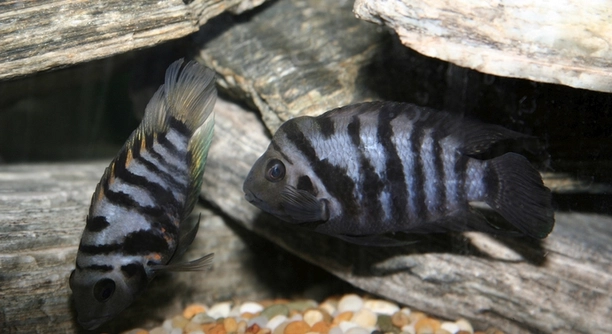
Do you ever find yourself trying to create a peaceful tank but worry about mixing the wrong species together?
African cichlids are generally not compatible with shrimp due to their aggressive nature and natural tendency to eat smaller tank mates.
Tank harmony depends on more than just size or appearance—it’s about behavior, diet, and territory. Understanding these elements can help prevent stress and loss in your aquarium.
Why Cichlids Often Don’t Mix With Shrimp
African cichlids are known for their bold personalities, vibrant colors, and territorial behavior. These fish are naturally aggressive and tend to dominate their space, especially during breeding. Shrimp, on the other hand, are peaceful and much smaller. They move slowly, often grazing on algae or hiding in plants. This makes them an easy target in a cichlid tank. Even if you provide hiding spots, shrimp are likely to be hunted or stressed by the constant activity around them. Cichlids view shrimp as food rather than tank mates, especially species like the Mbuna or Peacock cichlids. Their strong jaws and quick reflexes make it easy for them to catch shrimp, regardless of size. This behavior isn’t out of malice—it’s simply instinct. Shrimp also prefer stable environments without a lot of chasing or digging, which makes a cichlid tank less than ideal. Most attempts to keep both together end with missing shrimp.
Shrimp add variety to a tank, but with African cichlids, it becomes a risky setup.
If you’re determined to try, some hobbyists experiment with larger Amano shrimp or ghost shrimp in tanks with juvenile cichlids. Still, it’s rarely successful long-term. The stress of constant threats often shortens the shrimp’s lifespan. Even when shrimp seem to go unnoticed, the behavior of the cichlids can change over time. A once peaceful tank can shift quickly as the fish grow and assert themselves. If you’re looking to enjoy both shrimp and African cichlids, the best option is to keep them in separate tanks. That way, each can thrive without worry or conflict. It also allows you to create the right environment for each species. For shrimp, a planted tank with soft lighting works well. For cichlids, space, structure, and hard water conditions are key. You’ll enjoy both setups more without the stress of watching one group hide or disappear.
Alternatives That May Work Better
Adding shrimp to tanks with cichlids isn’t recommended, but there are other options that can give similar visual interest.
Snails and larger bottom dwellers like bristlenose plecos can be better suited to cohabiting with African cichlids. These creatures have tougher shells or bodies that make them harder targets. Snails like Nerites are often ignored, and plecos stay low in the tank and out of the way. If you want a cleanup crew, consider these instead of shrimp. Live plants can also add motion and texture to your tank without the risk of being eaten. However, keep in mind that some cichlids dig and may still uproot plants. Artificial decorations and rocks with natural tones can bring color and shelter to the tank. These alternatives create a full and balanced look while avoiding the stress and risks that come with mixing shrimp and cichlids. Taking the time to match the right species ensures both the health of your aquarium and the enjoyment of watching it grow over time.
Shrimp Species and Their Risk Levels
Smaller shrimp like cherry and crystal shrimp are often eaten quickly in cichlid tanks. Their size and soft bodies make them easy targets, even with hiding spots.
Ghost shrimp are slightly larger and more transparent, which helps them blend in a little better. Some people have had limited success keeping ghost shrimp with young or less aggressive cichlids. However, as the cichlids grow, their instincts usually take over. Amano shrimp are tougher and grow larger, making them the most resilient choice among shrimp types. Even so, they are not safe in a typical African cichlid setup. If the shrimp are introduced first and the tank has plenty of plants and caves, they might last a while. But there are no guarantees. The hunting behavior in cichlids is strong, and once they spot a shrimp, they usually won’t stop. Size, speed, and hiding won’t always protect them.
While larger shrimp may survive a bit longer, stress is a constant issue. When shrimp are exposed to aggressive fish daily, they spend most of their time hiding and avoiding food. This can lead to malnutrition and a shortened lifespan. The environment becomes more of a survival zone than a proper home. Over time, even the healthiest shrimp will begin to decline. It’s not just about being eaten—it’s about whether the shrimp can live normally. Their natural behaviors like foraging and breeding stop under stress. Constant chasing or sudden movements around them creates anxiety, which affects their immune system. Many shrimp that survive physical attacks still end up dying from stress-related causes. It’s a difficult balance to manage in any tank, especially with fish as active and unpredictable as African cichlids.
Creating a Safe Tank for Each Species
Shrimp thrive in tanks with calm water, stable parameters, and plenty of moss or plant cover. African cichlids need rocky structures, harder water, and open swimming space.
Trying to combine their needs usually means one group suffers. Shrimp tanks should be set up with gentle filtration, live plants like java moss, and smooth gravel or sand. A lower light setting also helps shrimp feel secure and encourages natural behaviors. Cichlid tanks, on the other hand, should focus on strong water flow, plenty of hiding caves, and harder substrates. The two environments are very different. Keeping them separate allows each species to show its full personality without being disturbed or stressed. You’ll see shrimp grazing, breeding, and staying active in peace. Cichlids will be free to explore, defend their space, and show off their vibrant colors. It’s more rewarding for both the keeper and the animals when their specific needs are met.
Common Mistakes to Avoid
Adding shrimp to a cichlid tank without considering the species’ size and temperament often leads to poor results. People sometimes assume enough hiding spots will fix the issue, but cichlids are persistent hunters and will eventually find and eat the shrimp.
Introducing shrimp after the cichlids are already established also increases risks. The fish are territorial and see new additions as intruders or food. Even well-fed cichlids may chase or bite out of instinct. Shrimp should never be treated as simple tank cleaners in setups with aggressive fish.
Why Some Try It Anyway
Some people still try to keep shrimp and cichlids together because they hope to create a more active and interesting tank. Shrimp are great algae eaters and their constant movement adds variety. A few hobbyists report temporary success by using large tanks, dense cover, and keeping juvenile cichlids. However, it’s not a stable setup. Over time, as the cichlids grow and their behavior shifts, the shrimp usually disappear. Even if they last a while, the stress they endure isn’t worth it. It often ends in frustration or disappointment. Most setups simply don’t support the balance needed for both species to do well long term.
Final Thoughts on Compatibility
Keeping African cichlids with shrimp is rarely successful. Their needs and behaviors are too different for long-term tank harmony.
FAQ
Can African cichlids and shrimp live together peacefully?
In most cases, no. African cichlids are aggressive fish that often see shrimp as food. Even if shrimp survive initially, stress from constant chasing can shorten their lifespan. Only in very large tanks with lots of hiding places and juvenile, less aggressive cichlids might shrimp live temporarily. However, this is rare and usually not stable long-term.
What shrimp species stand the best chance with African cichlids?
Amano shrimp are the most resilient due to their larger size and tougher exoskeleton. Ghost shrimp can sometimes survive with young cichlids but are usually eaten as the fish mature. Small shrimp like cherry or crystal shrimp have almost no chance because they are too small and slow. Even with hiding spots, shrimp remain at risk.
Are there safer alternatives to shrimp for cichlid tanks?
Yes. Snails such as Nerite or Malaysian Trumpet snails are often ignored by cichlids because of their hard shells. Bristlenose plecos and other armored bottom dwellers also coexist better because they are less vulnerable. Live plants or artificial decorations can add visual interest without risking prey animals.
How can I protect shrimp if I still want to try keeping them with cichlids?
The best protection is a heavily planted tank with dense moss and lots of caves. Adding shrimp first can give them a head start. A large tank with plenty of space reduces cichlid territorial behavior. Despite this, expect some losses and stress for the shrimp. Frequent monitoring is needed to prevent severe harm.
Does feeding cichlids well reduce shrimp predation?
Feeding cichlids adequately can reduce hunger-driven hunting, but it doesn’t stop their natural instinct to chase or bite shrimp. Even well-fed cichlids may attack shrimp out of curiosity or territorial behavior. Food alone isn’t a reliable way to protect shrimp in the tank.
Will juvenile cichlids tolerate shrimp better than adults?
Juvenile cichlids are often less aggressive and smaller, so shrimp may live longer with them. However, as the fish grow and mature, their hunting instincts increase. Shrimp that survive with juveniles usually don’t make it once the cichlids become adults.
Can shrimp reproduce in a tank with African cichlids?
It’s very unlikely. Even if some shrimp survive, stress and predation usually prevent successful breeding. Shrimp need safe, calm environments to reproduce, which cichlid tanks rarely provide. If breeding is a goal, a separate tank is better.
What tank setup helps reduce aggression in African cichlids?
Providing plenty of rocks, caves, and hiding spots helps reduce territorial fights between cichlids. A large tank with enough swimming space also lowers stress. However, these conditions don’t eliminate aggression toward smaller tank mates like shrimp.
Is it worth the risk to keep shrimp with African cichlids?
Most experienced keepers agree it’s not worth it. The risk to shrimp health and survival is high, and cichlid behavior is hard to change. Separate tanks allow each species to thrive and makes caring for them easier and more rewarding.
What should I do if I want both shrimp and African cichlids in my aquarium?
The best option is to keep them in separate tanks. This lets you create ideal environments for both without stress or losses. You can enjoy watching shrimp in a peaceful planted tank while giving cichlids space to show their vibrant colors and natural behaviors elsewhere. This approach is kinder to both species and less stressful for you.
African cichlids and shrimp have very different needs and behaviors, which makes keeping them together a challenge. Cichlids are naturally aggressive and territorial fish, while shrimp are small, peaceful creatures that prefer calm environments. Because of this, shrimp often become targets in cichlid tanks. Even if the shrimp survive for some time, the stress from constant threats affects their health and lifespan. It is important to remember that these two species do not naturally live together in the wild, so their behaviors are not easily changed in captivity.
Trying to combine African cichlids with shrimp may seem interesting at first because shrimp add movement and help with algae control. However, the risks often outweigh the benefits. Many hobbyists who attempt this find that their shrimp disappear quickly or show signs of stress and poor health. Even when hiding places and plants are added, cichlids will still hunt shrimp due to their instinct. Some larger shrimp like Amano or ghost shrimp might last longer, but it is rare to have a stable community tank with these species together. Shrimp that survive in such setups are often stressed and do not behave naturally.
The best choice for both shrimp and African cichlids is to keep them in separate tanks. This allows each species to live in an environment suited to its needs. Shrimp tanks should be planted, with gentle water flow and plenty of hiding spots, while cichlid tanks require open spaces, rocky decorations, and harder water conditions. Keeping them apart reduces stress and loss and lets you enjoy the unique qualities of both animals. This approach also makes tank maintenance easier and gives each species a better chance to thrive. By understanding their differences, you can make the best decisions for a healthy and peaceful aquarium.

Hello,
If you enjoy the content that we create, please consider saying a "Thank You!" by leaving a tip.
Every little bit helps us continue crafting quality advice that supports the health, happiness, and well-being of pets around the world, for pets of all shapes, sizes, and species.
We really appreciate the kindness and support that you show us!