
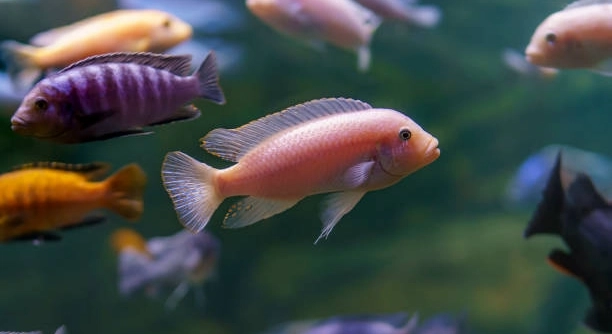
African cichlids are popular freshwater fish known for their vibrant colors and active behavior. Many aquarium enthusiasts enjoy keeping them and often wonder about their interaction with humans. These fish can sometimes show signs of familiarity over time.
African cichlids can become somewhat tame with consistent, gentle handling and regular feeding routines. Although they may not develop the same level of trust as mammals, they can recognize their caretakers and respond to their presence more calmly over time.
Understanding how African cichlids adapt to their environment and human interaction can help improve their care and enrich your aquarium experience.
How African Cichlids Show Familiarity
African cichlids can learn to recognize their owners through repeated, calm interactions. Over time, they may swim toward the glass when someone approaches or come closer during feeding. This behavior is not the same as true tameness in pets like dogs or cats, but it shows they become less fearful. They use sight and smell to identify familiar people and routines. Gentle feeding by hand or using a feeding stick can help build this recognition. However, sudden movements or loud noises might still startle them. Their natural instincts make them cautious, so patience is important when trying to build trust. Each fish has its own personality, and some may be more responsive than others. Offering a consistent environment with stable water conditions also encourages calmer behavior. Understanding these traits can help you set realistic expectations about how your cichlids behave around you.
This recognition is based mostly on routine and positive association rather than true taming. They respond well to consistency and gentle care.
Knowing how your cichlids react to interaction helps you create a calmer tank environment and improves your relationship with them.
Tips for Encouraging Calm Behavior
Consistent feeding times and gentle movements near the tank encourage calmer fish. Avoid tapping the glass or sudden actions that may stress them.
Slow, steady handling and patience support better responses from cichlids. Gradually, they will become less reactive and more comfortable with your presence. Regular observation helps you learn their unique behaviors. Providing hiding spots and a well-planned tank layout reduces stress and supports their natural behavior. Keep the water quality high and stable since poor conditions cause agitation. Using a feeding stick or dropping food in the same spot helps cichlids associate you with positive experiences. Avoid overcrowding the tank, as too many fish increase competition and stress, which makes them more skittish. Over time, these small adjustments make a big difference in how your cichlids respond to you. By focusing on their needs and maintaining a calm environment, you can enjoy more peaceful and engaging interactions with your fish.
Factors Affecting Cichlid Behavior
Tank environment greatly influences how African cichlids behave. Stressful conditions make them more nervous and less likely to become familiar with you. Stable water temperature, clean water, and proper hiding places help keep them calm.
A spacious tank with plenty of hiding spots reduces aggression and stress among cichlids. Overcrowded tanks cause competition and fear, which leads to skittish behavior. Plants, rocks, and decorations provide secure areas where fish can retreat and feel safe. Consistent water quality and regular maintenance prevent sudden changes that unsettle fish. When cichlids feel secure, they are more likely to respond calmly to people around the tank.
Feeding habits also affect behavior. Cichlids that receive regular, appropriate food at predictable times learn to associate your presence with feeding, which increases their comfort level. Using a feeding stick or hand feeding helps reinforce this bond.
Personality Differences in Cichlids
Individual cichlids have different temperaments, which affects their level of tameness. Some are naturally more curious and bold, while others remain shy and cautious.
The species of cichlid can also influence behavior. For example, some types are known for being more aggressive or territorial, making them less likely to become tame. Others are calmer and more open to human interaction. Even within the same species, each fish has a unique personality that shapes how it reacts to people. Understanding these differences helps manage expectations and improve care methods. Paying attention to these traits allows you to adjust how you interact with each fish, making it easier to build a positive relationship.
Feeding Techniques That Help
Feeding African cichlids by hand or using feeding tools encourages them to get used to your presence. Regular feeding routines create positive associations that reduce their fear.
Avoid sudden movements during feeding times. Move slowly and calmly to help the fish feel more comfortable and less stressed around you.
The Role of Time and Patience
Building trust with African cichlids takes time. They do not become tame overnight. Regular, gentle interaction and consistent care over weeks or months help them become more relaxed around you. It’s important to be patient and keep expectations realistic. Sudden changes or rough handling can undo progress. The longer you spend calmly interacting with your fish, the more they learn to recognize and accept you. This slow process requires steady effort, but the reward is a tank full of fish that respond more calmly and predictably to your presence.
Avoiding Stressful Situations
Limiting loud noises and abrupt tank movements reduces stress, helping cichlids stay calm.
FAQ
Can African cichlids really become tame like other pets?
African cichlids do not become tame in the way dogs or cats do. Their behavior is mostly driven by instinct and survival. However, with consistent feeding and gentle interaction, they can become less fearful and more comfortable around you. They may recognize your presence and respond calmly but will not form emotional bonds like typical pets. Their “tameness” is more about familiarity and reduced stress than true trust.
How long does it take for cichlids to become comfortable with humans?
It often takes several weeks to months of regular, calm interaction for cichlids to show signs of comfort. Patience is key. Quick movements or inconsistent care slow the process. Feeding them at the same times and locations daily helps speed up recognition. Every fish is different, so some may become relaxed sooner while others take longer.
What feeding methods encourage tameness?
Hand feeding or using a feeding stick helps fish associate you with food. This creates positive experiences that lower fear. Avoid tossing food randomly, which doesn’t build a connection. Feeding gently and slowly near the front of the tank encourages fish to approach you over time.
Can too many fish in one tank affect their behavior?
Yes, overcrowding increases stress and competition. Aggressive or stressed fish are less likely to become tame. Each cichlid needs enough space and hiding spots to feel secure. When the tank is crowded, fish become more defensive, making them more skittish and less responsive to human presence.
Does tank setup impact how tame cichlids get?
A well-structured tank with plenty of hiding places helps fish feel safe. When cichlids have secure spots, they are less stressed and more open to interacting calmly. Good water quality and stable temperature also play major roles. Poor conditions cause anxiety and aggressive behavior, which prevent tameness.
Are some species of African cichlids easier to tame than others?
Yes, species vary in temperament. Some, like peacock cichlids, tend to be calmer and more approachable. Others, such as mbuna cichlids, are more aggressive and territorial, making them harder to tame. Knowing your species’ natural behavior helps set realistic expectations for how they will interact.
Will cichlids recognize their owner’s face or voice?
Cichlids can recognize movement patterns and routine sounds but probably don’t identify faces like mammals do. They respond to your presence mostly because they link it to feeding and routine care. Over time, they may react to the sound of your voice or footsteps if it consistently signals feeding.
Is it harmful to try to handle or touch African cichlids?
Handling cichlids directly is not recommended because it stresses them and can damage their protective slime coat. They are best interacted with through the tank glass. Using feeding tools is safer and helps build trust without causing harm or stress.
What signs show that a cichlid is becoming tame?
Approaching the front of the tank when you are nearby, swimming calmly instead of hiding, and eating food close to your hand are good signs. Less sudden darting and more relaxed swimming indicate growing comfort. These behaviors show they are getting used to your presence.
Can stress from loud noises or sudden movements reverse progress?
Yes, sudden loud noises, tapping on the glass, or rapid movements can startle cichlids and increase their fear. This stress can undo weeks of progress toward tameness. Keeping a calm environment around the tank supports continued positive behavior changes.
How can I keep cichlids calm if I have kids around?
Teach children to move slowly and quietly near the tank. Avoid banging on the glass or making sudden noises. Regular gentle feeding sessions with kids involved can help fish get used to different people, but supervision is important to prevent accidental stress.
Is it normal for cichlids to remain shy despite efforts?
Yes, some cichlids naturally remain shy no matter the care given. Their personality or species traits may make them less likely to show tameness. Respecting their nature and providing a peaceful tank is the best approach, even if they don’t become very interactive.
African cichlids are fascinating fish that can show some level of familiarity with their caretakers over time. While they do not become tame in the way common pets do, they can learn to recognize you and respond more calmly to your presence. This change happens mostly through consistent care, gentle feeding, and a stable environment. It is important to remember that these fish rely on instincts for survival, so their behavior will always reflect that natural caution. Patience is necessary when trying to build a connection with them.
The environment you provide plays a big role in how comfortable your cichlids become. A clean tank with proper water conditions, plenty of hiding spots, and enough space helps reduce stress. When fish feel safe, they are more likely to explore and interact in a calm way. Overcrowding or sudden changes can cause nervous or aggressive behavior, making it harder for them to get used to you. Feeding them regularly at the same time and place can create positive associations, helping them to become more relaxed during your visits.
Understanding that every cichlid is unique will help manage expectations. Some fish may be more curious and willing to approach, while others will remain shy no matter what. Their natural personality, species traits, and the care they receive all influence their behavior. Even if your cichlids never become fully “tame,” providing a healthy, stress-free home will allow them to thrive. By focusing on steady care and gentle interaction, you can enjoy watching your African cichlids grow more comfortable in their tank over time.

Hello,
If you enjoy the content that we create, please consider saying a "Thank You!" by leaving a tip.
Every little bit helps us continue crafting quality advice that supports the health, happiness, and well-being of pets around the world, for pets of all shapes, sizes, and species.
We really appreciate the kindness and support that you show us!