
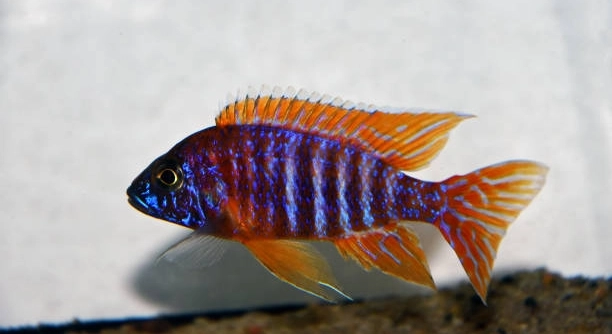
African cichlids are popular aquarium fish known for their vibrant colors and lively behavior. Many fish owners enjoy observing their unique personalities and interactions. These fish are more intelligent than many people realize, which opens up interesting possibilities for training.
African cichlids can indeed be trained through consistent routines and positive reinforcement. By using feeding times and simple commands, owners can encourage specific behaviors such as coming to the surface or following a finger. This training improves fish interaction and stimulation in captivity.
Learning how to train these fish can make your aquarium experience more rewarding and enjoyable. Understanding the basics will help you connect better with your aquatic pets.
Understanding African Cichlids’ Behavior
African cichlids are known for their territorial and social nature. They communicate through body language and colors, which change depending on their mood or status. This makes them more responsive to their environment than many other fish species. Because they recognize patterns and routines, cichlids can learn to associate certain actions, like approaching a hand or a feeding stick, with food rewards. Their intelligence allows them to adapt well to training that involves repetition and positive reinforcement. Creating a calm and predictable environment is important since stress can reduce their willingness to interact. By paying attention to their behavior, you can notice small signs of recognition and interest. This helps build trust over time. These fish also enjoy exploring objects and spaces in their tank, which keeps their minds active. Providing enrichment, like decorations or moving objects, supports their natural curiosity and improves training success.
African cichlids thrive when given mental challenges alongside physical care. Training can be part of this enrichment.
Learning to read their signals and respond appropriately sets the foundation for effective training and a more engaging aquarium.
Preparing to Train Your African Cichlid
Before starting, make sure your cichlid’s tank is stable and stress-free. Sudden changes in water conditions or overcrowding can harm their focus. Select a quiet time when the fish is most active and hungry. Use small, consistent rewards like flakes or pellets. Avoid overfeeding by limiting treats during training. Start with simple commands, such as encouraging the fish to come near a feeding spot. Repetition is key—practice short sessions daily to build habits. Patience matters because fish may take time to respond. Keep distractions minimal, turning off tank lights or moving away from noisy areas if needed. Recording your progress can help track improvements and adjust methods. With regular care and attention, training becomes easier and more enjoyable for both of you. The fish will gradually associate your presence and actions with positive outcomes, strengthening your connection.
Techniques to Train African Cichlids
Consistency is essential when training African cichlids. Use the same signals and rewards to help the fish recognize patterns quickly.
Start by hand-feeding or using feeding sticks to guide your cichlid’s movements. This creates a positive association with your presence. Repeat simple commands like “come here” by tapping near the fish or moving your finger slowly. Over time, the cichlid will learn to respond. Keep sessions brief to avoid stress, around five to ten minutes daily. Using a calm voice and gentle movements helps maintain their focus. Avoid sudden actions that might frighten them. Small treats during training boost motivation and reinforce learned behaviors. If the fish doesn’t respond, be patient and try again later.
These techniques can improve your bond with your cichlid while encouraging natural behaviors. Regular training enriches their environment and keeps them mentally active.
Common Challenges and How to Overcome Them
African cichlids can be stubborn or distracted, making training slow at times. Stress or illness can reduce their interest in food or interaction. Patience and observation help identify these issues early. Changing water conditions or tank mates might cause distraction or aggression. Addressing these factors improves the chances of successful training. If your fish seems uninterested, try different rewards or adjust training times. Sometimes, a short break helps reset their focus. Avoid forcing behavior, as it can harm trust. Consistent care and a peaceful tank environment contribute significantly to training success. Small, gradual improvements build confidence in both the fish and trainer. Keeping a training log can help you spot progress and setbacks.
Understanding these challenges lets you adapt your approach, ensuring a better experience for your cichlid and yourself.
Benefits of Training African Cichlids
Training African cichlids helps reduce stress by making them more comfortable around humans. It also encourages mental stimulation, keeping their minds sharp in captivity.
Regular interaction through training improves their overall well-being and strengthens your connection with them, making tank maintenance more enjoyable and rewarding.
Tools You’ll Need for Training
Basic tools like feeding sticks or tweezers can make training easier by allowing precise control of food delivery. Using small, nutritious treats helps keep the fish motivated. A quiet environment and a consistent schedule are also important. These simple items and habits set the stage for effective training sessions.
Signs Your Cichlid Is Learning
Watch for behaviors like approaching your hand, following finger movements, or responding to feeding cues. These actions show the fish is recognizing patterns and becoming more comfortable with training. Noticing these signs means your efforts are working and you can gradually increase training complexity.
Maintaining Progress
Keep training sessions consistent but brief. Avoid long gaps to prevent forgetting. Small daily interactions help reinforce learned behaviors and maintain your cichlid’s engagement.
FAQ
Can African cichlids really recognize their owners?
Yes, African cichlids can recognize their owners over time. They learn to associate the person who feeds them with food and safety. This recognition happens through repeated interactions and consistent feeding routines. While they may not show affection like pets, they can become less fearful and more curious around familiar people.
How long does it take to train an African cichlid?
Training time varies depending on the fish’s personality, tank environment, and consistency of the trainer. Some cichlids may start responding to simple commands within a week, while others take several weeks or more. Short, daily sessions and positive reinforcement speed up learning.
What types of behaviors can I train my cichlid to do?
You can train cichlids to follow your finger, swim to specific spots, or come to the surface for food. Some owners teach them to swim through hoops or respond to tapping signals. These behaviors promote mental stimulation and make feeding more interactive.
Are there any risks involved in training African cichlids?
Training itself is safe if done gently and with patience. Avoid stressing the fish with long sessions or harsh handling. Sudden movements or loud noises can frighten them. It’s important to maintain good water quality and a stable tank environment to keep your cichlid healthy during training.
What kind of food should I use for training?
Use small, nutritious treats like flakes, pellets, or freeze-dried foods that your cichlid enjoys. Treats should be given sparingly to avoid overfeeding. The food needs to be appealing to keep the fish motivated but healthy.
Can all African cichlid species be trained the same way?
While many African cichlids respond well to training, individual species and fish personalities differ. Some are naturally more aggressive or shy, affecting how they learn. Adjust training techniques to suit your fish’s temperament and behavior.
How do I keep my cichlid interested during training?
Keep sessions short and rewarding. Change up the treats or training signals if the fish seems bored. Offering enrichment in the tank, like new decorations or hiding spots, helps keep their curiosity alive. Patience and consistency help maintain interest.
What if my cichlid ignores me during training?
Ignoring is common, especially if the fish is stressed or not hungry. Try training at different times, preferably when the fish is hungry. Ensure tank conditions are optimal and remove any stress factors. If ignoring continues, give the fish a break and try again later.
Can training help reduce aggression in African cichlids?
Training itself doesn’t eliminate aggression but can help by providing mental stimulation and reducing boredom. A well-maintained tank with enough space and hiding places is more important to manage aggression. Training builds trust, which might improve interactions with you.
Is it possible to train multiple cichlids at once?
Training multiple cichlids simultaneously can be challenging, especially if they compete for food. Focus on one fish at a time if possible. If training a group, ensure treats are distributed fairly and observe their reactions to avoid stress or fights.
Training African cichlids can be a rewarding experience for both the fish and the owner. These fish are more intelligent than many people think, and with patience and consistency, they can learn to respond to simple commands. Training helps stimulate their minds, reducing boredom and stress that can come from living in an aquarium. It also allows owners to have more interactive and enjoyable experiences with their pets, making care routines like feeding more engaging. The key to success is keeping sessions short, using positive reinforcement, and paying close attention to the fish’s behavior and mood.
It is important to remember that not every cichlid will learn at the same pace. Some may be more responsive and curious, while others might take longer to show interest. Each fish has its own personality, and adjusting training methods to suit your particular cichlid’s needs will improve results. Ensuring the tank environment is stable, clean, and stress-free also plays a big role in how well your fish will respond to training. Avoid forcing any behavior, as this can cause stress and harm your relationship with the fish. Instead, keep a calm and patient approach, and celebrate small progress as your cichlid learns.
Overall, training African cichlids requires dedication but offers many benefits. It strengthens the bond between you and your fish, promotes their mental health, and makes tank life more dynamic. Even simple behaviors like coming to you for food or following a finger can make a noticeable difference. The process teaches you to be observant and attentive to your cichlid’s needs, which ultimately leads to better care. If you are willing to put in the time and effort, training your African cichlid can be a meaningful and enjoyable part of fishkeeping.

Hello,
If you enjoy the content that we create, please consider saying a "Thank You!" by leaving a tip.
Every little bit helps us continue crafting quality advice that supports the health, happiness, and well-being of pets around the world, for pets of all shapes, sizes, and species.
We really appreciate the kindness and support that you show us!