
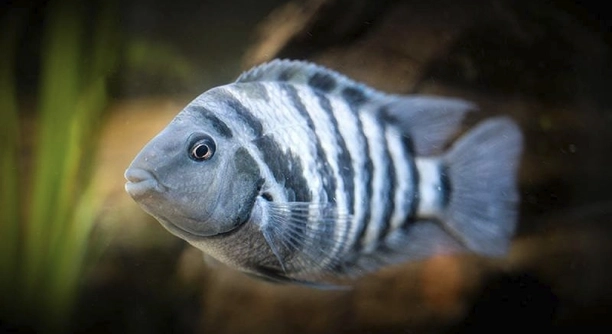
African cichlids are popular freshwater fish known for their vibrant colors and lively behavior. Many aquarium enthusiasts wonder about housing these fish alongside other tank inhabitants like snails. Understanding their compatibility is important for a healthy aquarium environment.
African cichlids can be kept with certain types of snails, but compatibility depends on the species of both fish and snails. Some cichlids may prey on or harm snails, while others tolerate or ignore them. Careful selection and observation are necessary.
Learning which snails work best with cichlids helps create a balanced tank. This article will explain the factors to consider for peaceful cohabitation.
Understanding African Cichlids’ Behavior Toward Snails
African cichlids are known for their territorial and sometimes aggressive nature. This behavior can affect their interactions with snails. Some cichlid species view snails as food and may try to eat them, while others largely ignore them. The size and type of snail also matter. Larger, thicker-shelled snails often withstand cichlid attacks better than smaller, soft-shelled ones. Additionally, cichlids’ diet plays a role. If they are well-fed with a balanced diet, they tend to be less interested in snails as a food source. However, when hungry or stressed, cichlids might target snails more aggressively. It is important to monitor your tank regularly for signs of distress or snail damage. Providing hiding places for snails can help reduce conflicts and increase their chances of survival. Keeping a balanced tank with proper feeding and compatible species supports peaceful coexistence between cichlids and snails.
Choosing snails with sturdy shells helps protect them in cichlid tanks.
Proper snail selection and tank setup are key to maintaining harmony.
Best Snail Species to Keep with African Cichlids
Certain snail species have a better chance of coexisting peacefully with African cichlids. Nerite snails are often recommended because their hard shells make them less vulnerable to attacks. They are also good algae eaters, which helps keep the tank clean. Mystery snails, with their larger size and thick shells, can also be suitable if the cichlids are not too aggressive. Apple snails may be tolerated but can sometimes become targets. Avoid smaller, fragile snails like Malaysian trumpet snails, which are more likely to be eaten. Beyond species, it is essential to provide plenty of hiding spots using rocks, plants, and decorations. This reduces stress and offers snails places to retreat. Maintaining clean water and proper feeding reduces aggressive behavior from cichlids, making peaceful coexistence more achievable. Observing the tank regularly allows early intervention if problems arise, ensuring a balanced ecosystem for all inhabitants.
Tank Setup Tips for Keeping Cichlids and Snails
A well-planned tank setup helps reduce conflicts between African cichlids and snails. Providing hiding spots with rocks, caves, and dense plants gives snails safe places to retreat. Maintaining stable water parameters is also important to keep both species healthy.
Hiding places are crucial to protect snails from aggressive cichlids. Rocks and decorations create barriers and safe zones where snails can avoid being targeted. Including plants that can withstand cichlid activity adds natural cover and helps maintain water quality by absorbing excess nutrients. Proper filtration keeps the tank clean, preventing waste buildup that could stress both snails and fish. Regular water changes and monitoring water chemistry also help maintain a stable environment. When the tank mimics natural conditions and provides safe zones, snails have a better chance of thriving alongside cichlids.
Feeding habits impact tank harmony significantly. Offering a balanced diet to cichlids reduces their interest in snails as food. Including algae wafers or vegetable-based foods supports snail health while meeting the cichlids’ nutritional needs.
Managing Potential Conflicts in a Mixed Tank
Aggression from African cichlids can sometimes threaten snail populations. Managing this aggression requires careful attention and quick adjustments. Observing behavior regularly allows early detection of problems.
If cichlids become overly aggressive toward snails, increasing hiding spaces can help reduce encounters. Feeding cichlids more frequently with high-quality food lowers their tendency to hunt snails. Separating very aggressive fish or relocating snails temporarily might be necessary in extreme cases. Monitoring snail populations ensures they remain healthy and reproduce adequately. It’s also important to avoid overcrowding the tank, as this can increase stress and aggression. Maintaining good water quality and a balanced environment reduces overall tension. By being proactive and attentive, peaceful coexistence between African cichlids and snails can be maintained.
Signs That Snails Are Being Targeted by Cichlids
Snails showing damaged or broken shells often indicate attacks from cichlids. Reduced snail activity and hiding more than usual are also signs of stress.
If you notice fewer snails or empty shells in the tank, it may mean cichlids are preying on them. Prompt action can prevent further losses.
Feeding Practices to Protect Snails
Feeding African cichlids a varied and balanced diet decreases their interest in snails. Include high-quality pellets, frozen foods, and occasional vegetables to meet their nutritional needs fully.
Cleaning and Maintenance Tips for Mixed Tanks
Regular cleaning helps maintain water quality, which is vital for both cichlids and snails. Remove leftover food and waste promptly to avoid buildup that could cause stress.
Selecting the Right Tankmates
Choose peaceful tankmates that do not provoke aggression from cichlids. Avoid adding overly aggressive or small species that may disturb the balance.
FAQ
Can all types of African cichlids live with snails?
Not all African cichlids are compatible with snails. Some species, especially the more aggressive ones, tend to eat or harass snails. Peaceful or less aggressive cichlids may tolerate snails better. It’s important to research the specific species before adding snails to the tank.
What types of snails are safest with African cichlids?
Snails with hard, thick shells like nerite snails and mystery snails usually do better with cichlids. These snails can withstand some attacks and have a better chance of survival. Smaller or soft-shelled snails are more vulnerable and often get eaten.
How can I protect snails from aggressive cichlids?
Providing plenty of hiding spots like rocks, caves, and plants is essential. Feeding cichlids well reduces their urge to attack snails. Regular tank maintenance and monitoring behavior help catch problems early. In some cases, separating overly aggressive fish may be necessary.
Will cichlids harm snails if they are well-fed?
Generally, well-fed cichlids are less likely to target snails for food. Proper nutrition decreases aggression related to hunger. However, territorial or aggressive behavior may still cause some snail damage despite good feeding.
Are snails beneficial to a cichlid tank?
Yes, snails can help by eating leftover food and algae, which keeps the tank cleaner. They also contribute to the tank’s ecosystem by recycling waste. However, some snail species reproduce rapidly and may require population control.
How many snails should I keep with cichlids?
It’s best to start with a small number of snails and observe how the cichlids react. Overcrowding can cause stress and aggression. A few snails spread out in a well-decorated tank usually do well without upsetting the balance.
Can snails reproduce quickly in a cichlid tank?
Some snail species, like mystery snails, lay eggs that can hatch quickly and lead to population booms. If not controlled, this may cause overpopulation and water quality issues. Regular monitoring and manual removal of excess snails can help.
What signs show snails are stressed or unhealthy?
Damaged or broken shells, sluggish movement, or hiding constantly are signs snails are stressed. Poor water quality, aggressive fish, or inadequate food can cause these problems. Acting quickly to improve conditions helps snails recover.
Do snails need special food in a tank with cichlids?
Snails mostly feed on algae and leftover food, but adding calcium-rich foods or supplements helps keep their shells strong. Algae wafers or vegetable matter like blanched spinach support snail health in a mixed tank.
Is it necessary to quarantine snails before adding them to a cichlid tank?
Quarantining snails before introduction is a good practice to prevent introducing diseases or parasites. Keep snails in a separate container with clean water for a few days and observe for any issues before adding them to the main tank.
What water conditions are best for keeping snails and African cichlids together?
Stable water parameters that suit both cichlids and snails are important. African cichlids prefer slightly alkaline water with moderate hardness, which also benefits many snail species. Regular testing and water changes help maintain these conditions.
Can snails help control algae in a cichlid tank?
Yes, many snails eat algae, which helps keep the tank cleaner. Nerite snails are especially good algae eaters. However, snails alone won’t eliminate algae completely, so regular tank maintenance is still necessary.
What should I do if cichlids start eating snails?
If you notice cichlids attacking snails, increase hiding places and improve feeding routines. You may need to remove aggressive fish or relocate snails temporarily. Monitoring behavior and adjusting the tank setup helps reduce conflicts.
How do I control snail populations in a cichlid tank?
Manual removal is the easiest method. Avoid overfeeding, which encourages snail reproduction. Introducing snail predators is not recommended with African cichlids because it can increase aggression. Keeping the population balanced is key to a healthy tank.
Can African cichlids and snails share the same water temperature?
Most African cichlids and common aquarium snails thrive in similar temperatures, typically between 74°F and 82°F (23°C to 28°C). Maintaining a stable temperature within this range supports the health of both species.
Are there any risks in keeping snails with cichlids?
The main risk is snails being preyed upon or stressed by aggressive cichlids. Additionally, rapid snail population growth can affect water quality. Proper tank management and species selection minimize these risks for a peaceful aquarium environment.
Keeping African cichlids with snails can work well if you choose the right species and set up the tank carefully. Not all cichlids behave the same way, so understanding their temperament helps. Some are aggressive and may harm snails, while others are more peaceful and can live alongside them. Selecting snails with strong, thick shells offers better protection. Providing plenty of hiding spots and maintaining good water quality are important steps for a balanced aquarium. This reduces stress for both fish and snails, making peaceful coexistence more likely.
Feeding your cichlids a proper diet is key to reducing aggressive behavior toward snails. When cichlids are well-fed, they are less likely to see snails as food. Including a variety of foods like pellets, frozen treats, and vegetables supports their health and keeps their interest away from tank mates. Observing your fish and snails regularly helps you catch any issues early. If snails are being targeted, you can adjust feeding, add more hiding places, or separate aggressive fish. Keeping the tank clean through regular maintenance also contributes to a healthy environment for everyone.
In the end, successfully keeping African cichlids with snails depends on patience and attention. You may need to try different snail species and tank arrangements to find what works best. Understanding the natural behaviors of your cichlids and providing suitable conditions makes a big difference. With the right approach, snails and cichlids can share a tank, offering an interesting and diverse aquatic setup. Taking time to observe and care for all inhabitants will lead to a more enjoyable and balanced aquarium experience.

Hello,
If you enjoy the content that we create, please consider saying a "Thank You!" by leaving a tip.
Every little bit helps us continue crafting quality advice that supports the health, happiness, and well-being of pets around the world, for pets of all shapes, sizes, and species.
We really appreciate the kindness and support that you show us!