
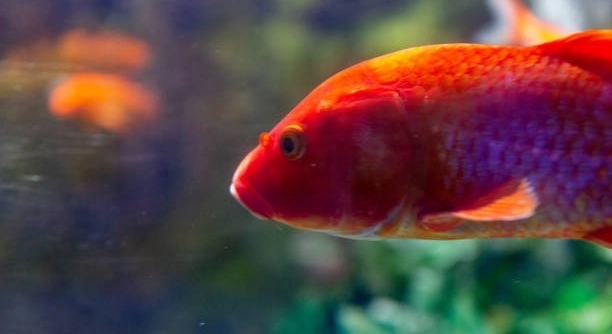
African cichlids are popular aquarium fish known for their vibrant colors and active behavior. Many fishkeepers enjoy setting up tanks that highlight their natural beauty. Minimalist tanks offer a clean and simple environment that some hobbyists prefer.
African cichlids can be kept in minimalist tanks, but careful consideration of their space, water quality, and territorial behavior is necessary. Minimalist setups require thoughtful decoration and proper filtration to support the species’ health and natural instincts.
Understanding how minimalist tanks affect African cichlids can help create a balanced environment. This article explains key factors to consider when choosing a tank style for these colorful fish.
Understanding African Cichlid Behavior
African cichlids are known for their strong territorial instincts. In the wild, they claim specific areas and defend them actively. When kept in tanks, they need enough space and hiding spots to establish these territories. Minimalist tanks, with fewer decorations and plants, can sometimes increase aggression if fish feel exposed or crowded. Proper tank size is important to reduce stress and fighting. Water quality also plays a major role in their well-being. These fish prefer stable conditions with clean, well-filtered water. A minimalist tank can make maintaining water parameters easier due to fewer surfaces that accumulate waste. However, owners must regularly test and adjust water chemistry, as African cichlids are sensitive to changes. Adding a few carefully chosen rocks or caves helps provide necessary shelter without overcrowding the tank. This balance supports their natural behavior while maintaining a clean, simple look.
Minimalist tanks require careful planning to ensure both the fish’s comfort and a pleasing aesthetic.
Finding the right balance between open space and hiding spots keeps cichlids calm. The tank should offer enough room for swimming and defined areas to reduce conflict. Avoid overcrowding by selecting compatible species and limiting the number of fish. Rocks can be arranged to create natural barriers and territories without cluttering the tank. Keeping decorations minimal but functional supports both fish behavior and tank cleanliness. Regular water changes and monitoring prevent the buildup of harmful toxins that affect cichlids. Minimalist setups also make it easier to spot problems like illness or aggression early. This setup style can work well with African cichlids, provided their behavioral needs are met thoughtfully.
Tank Setup Tips for Minimalist Cichlid Aquariums
Minimalist tanks rely on fewer decorations but must still meet cichlids’ basic needs. Clean lines and open swimming areas are key features.
Start with a quality filtration system to maintain excellent water quality. Use fine sand or smooth gravel as a substrate, which is easy to clean and looks natural. Avoid sharp objects that could harm the fish. Include a few strategically placed rocks or caves to offer hiding places and territorial boundaries. Avoid overcrowding these features, keeping the tank open and uncluttered. Lighting should be moderate to highlight the fish’s colors without stressing them. Keep plants minimal or use hardy species that tolerate cichlid behavior. Regular maintenance, including partial water changes and filter cleaning, is essential. Testing water parameters helps ensure stable conditions. A minimalist tank should focus on function as much as form, creating a healthy environment that shows off the fish’s beauty while respecting their natural needs.
Feeding African Cichlids in Minimalist Tanks
Feeding African cichlids properly supports their health and vibrant colors. A balanced diet is essential, even in minimalist tanks.
Their diet should include high-quality pellets or flakes designed for cichlids, supplemented with occasional live or frozen foods like brine shrimp or bloodworms. Overfeeding can lead to poor water quality, so portion control is important. Feeding small amounts two to three times daily helps maintain stable water conditions. Avoid foods high in fillers or artificial additives that can harm the fish. Some cichlids also benefit from vegetable matter, such as spirulina or blanched vegetables, to support digestion. Consistency in feeding routines helps reduce stress and encourages natural behavior, even in a simplified tank setup.
In minimalist tanks, food waste can accumulate quickly due to fewer plants and surfaces for bacteria to break it down. Regular cleaning and monitoring leftover food prevents water quality issues. Keeping feeding areas clean supports a healthier environment for the fish.
Common Challenges in Minimalist African Cichlid Tanks
Minimalist tanks can make it easier to spot problems but may introduce specific challenges, such as aggression and water stability.
Aggression may increase if fish feel exposed or lack sufficient hiding spots, so tank layout is critical. Water parameters must be monitored carefully since minimalist tanks have fewer plants and natural filters to balance chemicals. Algae growth might be less controlled without live plants, requiring more manual cleaning. Maintaining a clean substrate and timely water changes are essential to prevent toxin buildup. Lighting should be adjusted to avoid stress or excessive algae. Choosing compatible cichlid species and limiting fish numbers helps reduce conflicts. These challenges require attention but can be managed with proper care and setup.
Minimalist tanks demand a balance between simplicity and meeting cichlids’ needs. Success depends on understanding their behavior and maintaining stable water conditions.
Water Quality Management in Minimalist Tanks
Maintaining water quality is crucial for African cichlids, especially in minimalist tanks. Fewer decorations mean less natural filtration, so mechanical and biological filtration must be effective.
Regular water testing helps detect changes early. Partial water changes of 20-30% weekly keep the environment stable and healthy for the fish.
Choosing the Right Tank Size
A tank size of at least 30 gallons is recommended for African cichlids to provide enough swimming space and reduce territorial disputes. Larger tanks allow more stable water conditions and better management of aggression among fish.
Lighting Considerations for Minimalist Cichlid Tanks
Moderate lighting enhances the natural colors of African cichlids without causing stress or excessive algae growth.
Cleaning Tips for Minimalist Tanks
Consistent cleaning routines prevent buildup of waste and maintain a clear, attractive tank environment for the fish.
FAQ
Can African cichlids live happily in a minimalist tank?
Yes, African cichlids can live well in minimalist tanks if their basic needs are met. This means providing enough space, clean water, and hiding spots to reduce stress and aggression. Minimalist tanks should balance open swimming areas with some structure to mimic natural habitats without overcrowding.
How many African cichlids should be kept in a minimalist tank?
The number depends on the tank size and species. For a 30-gallon tank, keeping 4 to 6 cichlids is generally safe to minimize aggression. Overstocking increases stress and territorial fights. Larger tanks allow more fish and better territory division, but it’s important to choose compatible species.
What type of filtration is best for minimalist cichlid tanks?
Strong mechanical and biological filtration is key. Minimalist tanks lack plants that naturally filter water, so high-quality filters help remove waste and maintain stable water parameters. Canister filters or powerful hang-on-back filters work well. Regular maintenance of filters prevents clogging and supports healthy water.
Are plants necessary in a minimalist African cichlid tank?
Plants are not strictly necessary but can be beneficial. Many African cichlids may uproot or eat plants, so hardy species like Anubias or Java fern are preferred. Plants help improve water quality and provide cover, but minimalist tanks often use rocks and caves for hiding instead.
What should I feed African cichlids in minimalist tanks?
A balanced diet with high-quality cichlid pellets or flakes forms the base. Supplement with occasional live or frozen foods like brine shrimp or bloodworms. Some species benefit from vegetable matter such as spirulina or blanched vegetables. Feeding small portions two to three times daily helps prevent overfeeding and water pollution.
How often should water be changed in a minimalist tank?
Perform partial water changes of 20-30% weekly. Minimalist tanks can accumulate waste quickly due to fewer plants and decorations that break down organic matter. Regular water changes maintain stable water chemistry and keep the fish healthy.
How can aggression be managed in minimalist African cichlid tanks?
Aggression can be reduced by providing enough space, hiding spots, and by selecting compatible species. Avoid overcrowding and maintain clear territories with rock formations or caves. Frequent monitoring helps detect early signs of fighting so adjustments can be made.
Is a heater necessary for African cichlids in minimalist tanks?
Yes, African cichlids thrive in stable temperatures between 75-82°F (24-28°C). Using a reliable aquarium heater ensures consistent temperature, which supports their immune system and behavior. Sudden temperature changes can stress the fish.
Can minimalist tanks cause stress to African cichlids?
Minimalist tanks can cause stress if they lack enough hiding places or space. Open areas may leave fish feeling exposed. It’s important to balance minimalism with functional decorations like rocks or caves to provide shelter and reduce stress.
What substrate works best in minimalist African cichlid tanks?
Fine sand or smooth gravel is best. These substrates are easy to clean and mimic natural environments. Avoid sharp or coarse materials that could injure fish. Sand is often preferred since many cichlids like to dig and sift through the substrate.
How often should the tank be cleaned?
Regular cleaning is essential. Remove uneaten food and waste during weekly water changes. Clean the substrate with a siphon and wipe down tank walls to prevent algae buildup. Filter maintenance should be done monthly or as needed to maintain efficiency.
Are there specific species better suited for minimalist tanks?
Some African cichlids adapt better to minimalist setups. Species like the Electric Yellow Lab (Labidochromis caeruleus) are less aggressive and tolerate simpler environments well. Avoid highly aggressive or very territorial species in smaller, minimalist tanks.
What lighting is recommended for minimalist African cichlid tanks?
Moderate lighting is best. It enhances the fish’s colors without encouraging excessive algae growth or stressing the fish. Using timers helps maintain a consistent day-night cycle, supporting natural behavior.
Can African cichlids live with other fish in a minimalist tank?
Compatibility depends on species and tank size. Some cichlids may coexist with other robust fish that tolerate similar water conditions. Careful selection and observation are necessary to prevent aggression and stress. Smaller tanks require more caution.
What signs indicate poor water quality?
Signs include lethargy, loss of appetite, faded colors, gasping at the surface, or unusual behavior. Cloudy water, unpleasant smells, and algae overgrowth also indicate issues. Regular testing for ammonia, nitrites, nitrates, and pH helps detect problems early.
How important is water pH for African cichlids?
Water pH is important; most African cichlids prefer slightly alkaline conditions between 7.8 and 8.6. Maintaining stable pH prevents stress and supports healthy metabolic functions. Sudden shifts in pH should be avoided by gradual adjustments if necessary.
This FAQ covers common concerns about keeping African cichlids in minimalist tanks. Following these guidelines will help maintain a healthy, balanced environment while enjoying a clean and simple aquarium setup.
Keeping African cichlids in minimalist tanks is possible with careful planning and attention to their needs. These fish require enough space to swim and establish territories, so tank size and layout matter a lot. Minimal decorations can work well if they include some hiding places, such as rocks or caves, to reduce aggression and stress. A minimalist tank may look clean and simple, but it should still support the natural behavior of the cichlids. Balancing open areas with a few structures helps create a healthy environment for the fish.
Water quality is especially important in minimalist tanks because there are fewer plants and decorations to naturally filter the water. Good filtration and regular water changes are essential to keep the water clean and stable. Feeding the fish a balanced diet in controlled portions prevents leftover food from polluting the tank. Regular maintenance, such as cleaning the substrate and checking water parameters, supports the fish’s health. Lighting should be moderate to highlight the cichlids’ colors while avoiding stress or excessive algae growth. With proper care, African cichlids can thrive in a minimalist tank just as well as in more decorated setups.
Choosing the right species and number of fish is also key. Some cichlids handle minimalist conditions better than others, especially less aggressive types. Avoid overcrowding, as too many fish increase stress and fighting. Understanding each species’ behavior helps in designing a tank that meets their needs. A minimalist tank requires a thoughtful approach, focusing on water quality, space, and behavior rather than just appearance. When done correctly, it can be a beautiful, low-maintenance way to enjoy the vibrant colors and lively personality of African cichlids.

Hello,
If you enjoy the content that we create, please consider saying a "Thank You!" by leaving a tip.
Every little bit helps us continue crafting quality advice that supports the health, happiness, and well-being of pets around the world, for pets of all shapes, sizes, and species.
We really appreciate the kindness and support that you show us!