
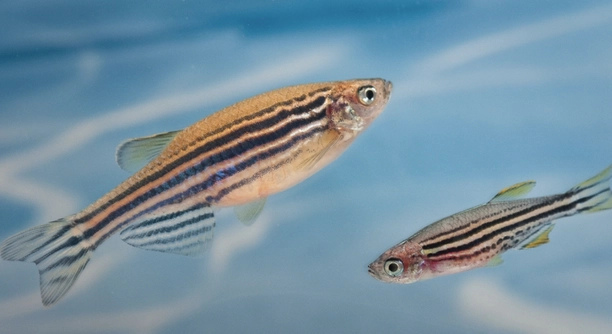
Zebra Danios are lively and small fish that make popular aquarium companions. However, owning a single Danio requires understanding their needs for space, social interaction, and the proper care to thrive in a solo environment.
Zebra Danios are social creatures that thrive in groups, but they can live alone with proper care. They require a well-maintained tank, consistent water conditions, and regular feeding to stay healthy. Providing them with adequate enrichment is essential.
Their well-being depends on more than just a tank; understanding their needs is key to a fulfilling life.
Why Zebra Danios Prefer Company
Zebra Danios are social fish by nature. In the wild, they swim in groups, which provides them with safety and mental stimulation. When kept alone, they can become stressed, leading to behaviors such as swimming in circles or hiding frequently. These signs can indicate that the fish is not comfortable in its environment. Danios are active and curious creatures, and when isolated, they may lack the interaction they need to stay engaged and healthy. Though they can live alone, it’s important to provide plenty of space and enrichment.
To maintain a happy and healthy Zebra Danio, it’s essential to recreate a suitable environment. Regular tank maintenance, clean water, and sufficient hiding spots help simulate natural surroundings. Adding plants or decorations in the aquarium can also provide some stimulation. Without these factors, a Danio can become lonely, stressed, and less active.
Providing your Zebra Danio with companionship or even just enough stimulation is key to keeping it active. They will thrive in an environment that mimics their natural habitat with opportunities to explore and hide.
Proper Tank Conditions
Creating the right tank setup is important for your Zebra Danio’s well-being. Ensure the water temperature stays between 65°F to 75°F. A clean, well-filtered tank is essential to prevent waste buildup and maintain water quality.
Good water quality is crucial. Zebra Danios are sensitive to changes in water conditions, which can lead to stress or illness. A regular maintenance schedule, including partial water changes every week, will help keep your fish healthy. It’s also important to check the pH levels of the water, which should range between 6.5 and 7.5.
An optimal tank size for a single Zebra Danio is at least 10 gallons. Larger tanks can provide more space and opportunities for enrichment, reducing stress. Adding live plants to the aquarium also contributes to better water quality, while providing shelter for the fish. These elements help maintain a stable environment, which is essential for the Danio’s long-term health.
Feeding Zebra Danios
Zebra Danios have simple dietary needs. They are omnivores and will eat a variety of foods, including flakes, pellets, and occasional live or frozen foods like brine shrimp or bloodworms.
Feed your Zebra Danio small amounts twice a day. Overfeeding can lead to poor water quality, which can negatively impact the fish. Providing a balanced diet is essential for maintaining its health and vibrant colors. Be sure to remove any uneaten food after a few minutes to avoid water contamination.
A proper feeding schedule helps keep your Danio in good health. Be mindful of portion sizes and ensure that the food is appropriate for its size and dietary preferences. The right nutrition supports a strong immune system, promoting longevity.
Tank Mates for Zebra Danios
Zebra Danios are peaceful and can live with many other species. They are known for their easygoing nature, but it’s essential to choose tank mates that are not overly aggressive.
Avoid aggressive fish that may stress or harm your Zebra Danio. Small, peaceful species like guppies, tetras, and corydoras catfish are good options. These species share similar water requirements and temperament. A mix of active fish can help create a balanced and harmonious aquarium. However, avoid large predatory fish that might see the Danio as food.
If you’re adding other fish to the tank, ensure there is enough space for everyone. Keeping the aquarium well-planted with hiding spots allows all fish to feel safe and reduce territorial behavior.
Tank Maintenance for Zebra Danios
Regular tank maintenance is crucial for keeping your Zebra Danio healthy. Clean water prevents diseases and helps reduce stress.
Perform water changes every week to maintain water quality. Test the water regularly for ammonia, nitrites, and nitrates to ensure levels remain safe. Keep the filter clean, but avoid over-cleaning, as beneficial bacteria also live there.
Stress Factors for Zebra Danios
Stress can have a major impact on Zebra Danios. Poor water quality, overcrowding, or incompatible tank mates can lead to stress and health problems.
Provide enough space in the tank to prevent aggression between fish. Keeping the water clean and stable also reduces the chances of stress. Incompatible species should be avoided to ensure peaceful cohabitation.
Common Health Issues for Zebra Danios
Zebra Danios are generally hardy, but they can still develop health issues, including fin rot, ich, or swim bladder problems.
Early detection is key. If you notice abnormal behavior or physical changes, such as faded colors, frayed fins, or difficulty swimming, act quickly. Quarantining affected fish and adjusting the environment can help prevent the spread of illness to other tank inhabitants.
FAQ
Can Zebra Danios live with other fish?
Yes, Zebra Danios are peaceful and can live with many other fish species. They are known for their easygoing nature. Small, non-aggressive fish like tetras, guppies, and corydoras catfish make good tank mates. However, avoid larger or overly aggressive fish that might harm them or cause stress. Always ensure your aquarium has enough space to prevent territorial disputes.
What size tank do Zebra Danios need?
A 10-gallon tank is the minimum size for a single Zebra Danio. However, a larger tank is always better, especially if you plan to add more fish. A 20-gallon tank will provide more space for a group of Danios and reduce stress. More room allows for better water circulation and filtration, creating a healthier environment.
What water conditions do Zebra Danios need?
Zebra Danios prefer clean, well-maintained water. The water temperature should range between 65°F and 75°F. They thrive in water with a pH of 6.5 to 7.5. Regular water changes are crucial for maintaining water quality and preventing the buildup of toxins. Testing the water for ammonia, nitrites, and nitrates should be done regularly to ensure the conditions are safe.
How often should I feed my Zebra Danio?
Feed your Zebra Danio small amounts twice a day. Offer a variety of foods, such as high-quality flakes or pellets. Occasional live or frozen foods, like brine shrimp or bloodworms, can be added to their diet. Be careful not to overfeed, as excess food can lead to poor water quality.
Can Zebra Danios live alone?
Zebra Danios can live alone, but they are social fish and thrive in groups. Keeping them alone can lead to stress, which may result in abnormal behavior. If you decide to keep a single Danio, ensure the environment is enriched with plenty of hiding spots and stimulation. A group of at least 3 to 5 will be the best option for their well-being.
How do I know if my Zebra Danio is stressed?
Stress in Zebra Danios can show in various ways. Common signs include hiding, abnormal swimming patterns (like swimming in circles), loss of appetite, and faded colors. Poor water quality, overcrowding, or incompatible tank mates are often the causes of stress. If you notice these signs, check the water conditions and remove any stressors in the tank.
What should I do if my Zebra Danio has fin rot?
Fin rot is a bacterial infection that can affect Zebra Danios. It is often caused by poor water quality or injuries. If you notice frayed or discolored fins, you should quarantine the affected fish and treat it with an antibacterial medication. Ensure the water is clean and maintain proper water quality to prevent further infections.
Can Zebra Danios breed in a community tank?
Zebra Danios can breed in a community tank, but it’s not guaranteed. They will need specific conditions to breed, such as slightly warmer water and a breeding area. If breeding is desired, set up a separate breeding tank with fine-leaf plants or a breeding mesh. Once the eggs are laid, remove the adult fish to avoid eating the eggs.
How long do Zebra Danios live?
Zebra Danios typically live between 3 to 5 years in a well-maintained tank. Their lifespan can vary based on water quality, diet, and overall care. Keeping the environment clean and stable will help your Danio live a long and healthy life.
Do Zebra Danios need a heater in their tank?
A heater is not strictly necessary unless the water temperature in your home fluctuates outside the range of 65°F to 75°F. If the water temperature in your tank is stable within this range, you do not need a heater. However, if you live in a cooler climate or your home has significant temperature changes, a heater can help maintain consistency.
What is the best way to prevent diseases in Zebra Danios?
Preventing diseases in Zebra Danios comes down to maintaining clean water, providing a balanced diet, and ensuring the tank is not overcrowded. Quarantining new fish before adding them to the tank is also a good practice to avoid introducing any potential illnesses. Regular water tests, cleaning, and observing the fish for any signs of illness will help keep your Danio healthy.
Can Zebra Danios be kept with other small fish?
Yes, Zebra Danios are compatible with many other small fish species. They are peaceful and enjoy the company of similar-sized fish that do not exhibit aggressive behavior. Good options include small tetras, guppies, and barbs. However, larger fish or those with territorial tendencies should be avoided. Always observe the dynamics of your tank to ensure all fish coexist peacefully.
What is the best type of substrate for a Zebra Danio tank?
Zebra Danios are not particularly picky about the substrate, but a fine, smooth gravel or sand is recommended. This type of substrate is easy to clean and won’t damage the delicate fins of your fish. It’s also ideal for planting live plants if you wish to enhance the tank’s aesthetic and improve water quality.
Why is my Zebra Danio swimming upside down?
Swimming upside down can be a sign of swim bladder disorder, a condition that affects the fish’s buoyancy. It can result from overfeeding, constipation, or an underlying infection. If this behavior persists, it’s best to adjust feeding habits, ensure water quality is optimal, and, if necessary, consult a vet or fish expert for further treatment.
How can I enrich my Zebra Danio’s environment?
To keep your Zebra Danio mentally stimulated, provide plants, decorations, and hiding spots in the tank. Live plants are especially beneficial as they not only enhance the aesthetic but also help maintain water quality. Avoid overcrowding the tank, as ample swimming space will ensure your fish stays active and healthy.
Final Thoughts
Zebra Danios are hardy and adaptable fish, making them a great choice for both beginner and experienced aquarium owners. They are known for their peaceful nature and can thrive in various tank setups. However, keeping them healthy requires attention to their water conditions, diet, and environment. Regular tank maintenance, such as cleaning the water and ensuring proper filtration, is essential for their well-being. Providing enough space in the tank is equally important, as overcrowding can lead to stress and health issues.
While Zebra Danios can live alone, they are social creatures and do best in groups of three or more. This helps prevent stress and encourages natural behaviors. They are easy to feed, as they accept a wide range of foods, but overfeeding should be avoided. Offering them a varied diet, including flakes, pellets, and occasional live foods, will ensure they stay healthy. Also, always monitor the water temperature, pH, and other parameters to keep them in optimal conditions.
By taking these factors into account, you can create a comfortable environment for your Zebra Danios to thrive in. They are an excellent addition to a community tank, as long as compatible tank mates are chosen. While they may not require as much care as more delicate species, consistent attention to their habitat will help you enjoy their vibrant colors and lively behavior for years.

Hello,
If you enjoy the content that we create, please consider saying a "Thank You!" by leaving a tip.
Every little bit helps us continue crafting quality advice that supports the health, happiness, and well-being of pets around the world, for pets of all shapes, sizes, and species.
We really appreciate the kindness and support that you show us!