
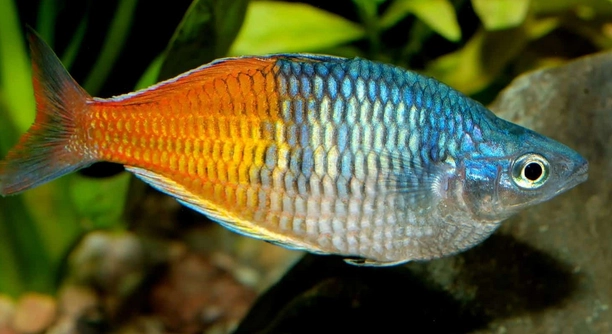
Rainbow fish are beautiful, vibrant creatures that can make a stunning addition to any aquarium. However, if you’re considering keeping one alone, there are some important things to know about their social needs and behavior.
Rainbow fish thrive best in schools and are naturally social. Keeping them alone may cause stress, which can lead to health problems. It is recommended to house them with other rainbow fish or peaceful tank mates for optimal well-being.
Maintaining a harmonious environment for your rainbow fish involves understanding their social needs and choosing compatible tank mates. This ensures they remain healthy, happy, and stress-free in your aquarium.
Why Do Rainbow Fish Prefer to Live in Groups?
Rainbow fish are naturally social creatures and thrive in groups. In the wild, they are often found swimming together in schools. This social behavior is essential for their well-being. When kept alone, rainbow fish can become stressed, which may affect their health and overall happiness. Stress in fish can lead to weakened immune systems, making them more susceptible to diseases. Without the company of other rainbow fish, they might also become more timid, spending more time hiding than swimming around.
Keeping rainbow fish with others helps them feel secure and confident. When housed in groups, they exhibit more natural behaviors, such as exploring and interacting with each other. In fact, having a group of rainbow fish can improve the quality of their lives in your tank, making them more active and colorful.
In addition to the social aspect, grouping rainbow fish together can also create a more visually stunning display in your aquarium. Their bright colors stand out even more when they swim in a group. With a little planning, you can provide them with a happy and healthy environment that mimics their natural habitat.
The Risks of Keeping a Rainbow Fish Alone
While some fish can tolerate living alone, rainbow fish are not one of them. They can experience a variety of negative effects if kept solo. These fish are known to be more active and less shy when in groups, making them an exciting addition to a community tank.
Without the company of other rainbow fish, they may become stressed and stop eating. Stress can also affect their immune system, leading to diseases. It’s important to consider this when deciding how to house your rainbow fish.
How Many Rainbow Fish Should Be Kept Together?
To ensure rainbow fish feel comfortable, it’s best to keep them in groups of at least six. A larger group mimics their natural environment and helps them feel secure. They tend to display more vibrant colors and swim freely in schools when surrounded by others.
Keeping a small group is better than having just one or two. A group of six or more allows the fish to interact naturally, which reduces stress. This can also help prevent bullying among the fish, as there are enough individuals to spread out aggression. When you add more rainbow fish to the tank, they are less likely to be territorial and more likely to focus on other activities like swimming and foraging.
Larger groups of rainbow fish may require a bigger tank, so make sure your aquarium is large enough to accommodate them. A 30-gallon tank or larger is ideal for a small group of six fish. This space will give them room to swim around, reduce stress, and promote their overall well-being.
How to Care for Rainbow Fish in a Community Tank
Rainbow fish are peaceful and do well in a community tank with other non-aggressive species. Choose tank mates that won’t compete for food or space. Ideal companions include small, peaceful fish like guppies, tetras, and Corydoras catfish.
Rainbow fish are also relatively easy to care for in a well-maintained aquarium. They prefer water temperatures between 74°F and 80°F, with a slightly acidic to neutral pH. Good filtration is essential to keep the water clean, as rainbow fish are sensitive to poor water quality. Regular water changes and monitoring of tank conditions will help ensure they stay healthy.
These fish are not particularly demanding, but they do appreciate plants and places to hide. Adding live plants and driftwood will not only improve the look of your tank but also provide hiding spots for your rainbow fish to retreat to when needed.
Can Rainbow Fish Live with Other Species?
Rainbow fish are generally peaceful and can coexist well with other species, as long as the tank mates are not aggressive. They get along best with fish of similar size and temperament. Avoid housing them with fin-nippers or overly territorial fish that might stress them out.
When choosing tank mates, it’s important to look for peaceful species that won’t intimidate your rainbow fish. Some great options include peaceful tetras, rasboras, and mollies. Just ensure that the other fish are not too large, as they may outcompete your rainbow fish for food or space.
Adding a variety of peaceful species in a community tank can enhance the beauty of your aquarium. It’s best to monitor your rainbow fish closely for signs of stress or aggression, especially when introducing new fish.
Feeding Rainbow Fish
Rainbow fish are omnivores, meaning they eat both plant and animal matter. Their diet should include high-quality fish flakes, pellets, and occasional live or frozen foods like brine shrimp or daphnia. Providing variety in their food will ensure they receive all necessary nutrients.
It’s important to feed rainbow fish small amounts several times a day. Overfeeding can lead to water quality issues, so only give them what they can eat in a few minutes. With the right diet, rainbow fish will remain healthy and vibrant.
Tank Size for Rainbow Fish
For a group of rainbow fish, a tank size of at least 30 gallons is recommended. This gives them enough space to swim around and feel secure in their environment. A larger tank will also help maintain water quality, reducing stress for your fish.
FAQ
Can rainbow fish live alone?
Rainbow fish are social creatures and generally prefer living in groups. While they can technically survive alone, it’s not ideal for their health and well-being. Living alone can lead to stress, which can weaken their immune system and make them more vulnerable to diseases. Keeping them in groups allows them to exhibit more natural behaviors and feel secure in their environment. A minimum of six rainbow fish is recommended to ensure they feel comfortable.
What type of tank mates are suitable for rainbow fish?
Rainbow fish are peaceful and do well with other non-aggressive species. Ideal tank mates include peaceful fish like tetras, guppies, mollies, and rasboras. Avoid aggressive or territorial fish that may stress out the rainbow fish. Larger fish or fin-nippers should also be avoided. In addition, make sure all tank mates are roughly the same size to prevent bullying or competition for food.
What is the ideal tank size for rainbow fish?
For a group of rainbow fish, you should aim for a tank size of at least 30 gallons. This provides enough swimming space and room for the fish to feel secure. A larger tank is even better, especially if you plan to keep multiple species in the same tank. Proper tank size ensures better water quality management and reduces the stress rainbow fish might experience from being crowded.
What temperature and water conditions do rainbow fish need?
Rainbow fish prefer warm water with a temperature range between 74°F and 80°F. They thrive in slightly acidic to neutral water (pH 6.5 to 7.5). Maintaining stable water conditions is essential to their health, so it’s important to use a reliable aquarium heater and check the pH regularly. Rainbow fish are sensitive to water quality, so proper filtration and regular water changes are crucial to keep them healthy.
How often should I feed my rainbow fish?
Rainbow fish should be fed small amounts of food two to three times a day. A mix of high-quality fish flakes, pellets, and occasional live or frozen food like brine shrimp or daphnia is recommended. Offering variety in their diet will help ensure they get all the nutrients they need. Avoid overfeeding, as it can lead to poor water quality and health problems for the fish.
Are rainbow fish easy to care for?
Yes, rainbow fish are relatively easy to care for, making them a great choice for both beginners and experienced fish keepers. They don’t require special care or complicated setups. However, they do need proper water conditions, regular feeding, and a suitable tank environment. Providing a peaceful, well-maintained tank and a varied diet will keep them healthy and happy.
Can rainbow fish live with shrimp?
Rainbow fish can live with shrimp, but there are some considerations. While rainbow fish are generally peaceful, they may occasionally nip at smaller shrimp. It’s a good idea to introduce shrimp species that are larger and fast-moving, like Amano shrimp, to avoid them becoming targets. In a well-planted tank with plenty of hiding spots, shrimp and rainbow fish can coexist peacefully.
How long do rainbow fish live?
Rainbow fish have a lifespan of about 5 to 8 years when kept in proper conditions. Ensuring that they live a long and healthy life involves providing them with a balanced diet, stable water conditions, and enough space to swim. Regular maintenance of the aquarium will also help prevent any health issues.
What kind of plants should be in a tank with rainbow fish?
Rainbow fish enjoy having plants in their tank for hiding spots and as a natural part of their environment. Plants like Java fern, Anubias, and Amazon swords are great choices. These plants provide cover for the fish, reduce stress, and help maintain water quality by absorbing excess nutrients. A well-planted tank also adds beauty to your aquarium, giving it a more natural feel.
How can I tell if my rainbow fish is stressed?
Stress in rainbow fish can manifest in several ways. A stressed fish may swim erratically, stay hidden more often, or exhibit a loss of appetite. Their colors might also become dull or faded. Stress can result from overcrowding, poor water conditions, or lack of tank mates. If you notice these signs, check the tank conditions and consider adding more rainbow fish to alleviate the stress.
Do rainbow fish need a lot of filtration?
Rainbow fish prefer clean water, so good filtration is important. They do not need heavy filtration, but it’s essential to have a filter that can maintain the tank’s water quality. A filter that provides gentle water movement is ideal, as strong currents may stress out the fish. Regular water changes will also help maintain optimal water quality.
What should I do if my rainbow fish is not eating?
If your rainbow fish isn’t eating, it could be due to stress, poor water conditions, or illness. First, check the water parameters to make sure they’re within the ideal range. If everything looks good, try offering different types of food to see if they respond better to a particular one. If the problem persists for more than a couple of days, consider isolating the fish and consulting a veterinarian to rule out any underlying health issues.
Do rainbow fish breed easily in captivity?
Rainbow fish can breed in captivity, though it might require a bit of effort. They are egg layers and typically breed in small groups. Providing a separate breeding tank with clean, soft water and a slightly warmer temperature can encourage them to spawn. After spawning, remove the adults to prevent them from eating the eggs. The eggs hatch in about 7 to 10 days, and the fry should be fed small, appropriate foods like infusoria until they’re large enough for regular fish food.
Final Thoughts
Rainbow fish are beautiful and peaceful fish that can thrive in a well-maintained aquarium. While they can live alone, they are happiest when kept in groups of at least six. This group behavior helps reduce stress and promotes natural social interactions. Rainbow fish, like many other species, are better suited to a social environment where they can swim and interact with each other. Having a group of rainbow fish will also enhance their colors, making them more vibrant and active in the tank.
Caring for rainbow fish isn’t difficult, but it does require some attention to water conditions and diet. They prefer slightly acidic to neutral water with temperatures between 74°F and 80°F. A good filtration system and regular water changes are essential to keep their environment clean and healthy. Rainbow fish are omnivores and will thrive on a varied diet of high-quality fish flakes, pellets, and occasional live or frozen foods. Keeping a balanced diet will help maintain their health and energy levels.
If you’re planning to keep rainbow fish in a community tank, they are generally compatible with other peaceful species. However, it’s important to choose tank mates that won’t stress or harm them. Avoid housing them with overly aggressive fish or species that are too large. With proper care, the right tank mates, and a suitable environment, rainbow fish will flourish in your aquarium for many years.

Hello,
If you enjoy the content that we create, please consider saying a "Thank You!" by leaving a tip.
Every little bit helps us continue crafting quality advice that supports the health, happiness, and well-being of pets around the world, for pets of all shapes, sizes, and species.
We really appreciate the kindness and support that you show us!