
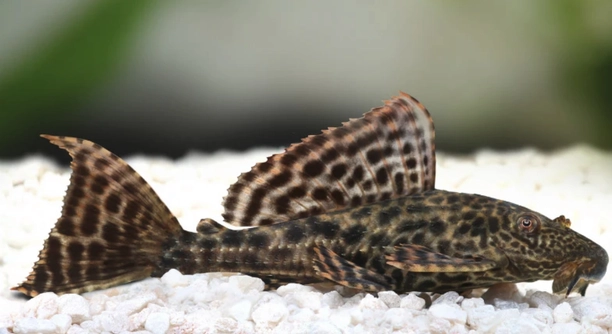
A Plecostomus, also known as a “pleco,” is a popular aquarium fish, known for its algae-eating habits and hardy nature. Many fish keepers wonder about the care requirements of this fish, especially when it comes to its tank setup.
A Plecostomus can survive without plants, as it primarily feeds on algae and detritus. However, plants provide hiding spots and contribute to a healthier environment, which is beneficial for both the pleco and other tank inhabitants.
Understanding how a Plecostomus behaves in different environments will help ensure its well-being. The presence or absence of plants can have more impact than you might think.
The Role of Plants in a Plecostomus Tank
While a Plecostomus doesn’t strictly need plants to survive, they do offer several advantages. Plants help create a more natural habitat, providing cover and reducing stress for the fish. Plecos enjoy hiding, especially when they feel threatened or are adjusting to new environments. Live plants can also improve water quality by absorbing excess nutrients, which is important in a tank where the pleco is actively feeding on algae. Without plants, you might find that your pleco has fewer places to rest, which could result in more visible signs of stress.
If you choose not to have plants in your tank, it’s essential to maintain water conditions carefully. Without the natural filtration that plants offer, your tank could become unbalanced more quickly. This means more frequent water changes to ensure the health of your pleco.
Additionally, plants help keep algae under control, as they compete for the same nutrients that algae thrive on. With plants, your tank may stay cleaner longer, reducing the need for artificial cleaning methods. A healthy environment benefits the pleco’s overall well-being, so carefully consider your tank setup.
Can Plecostomus Live Without Plants?
A Plecostomus can survive in a tank without plants, but it may not thrive as well. The absence of plants removes important hiding spaces and may lead to water quality issues.
When kept in a plantless tank, a Plecostomus may rely more on artificial forms of filtration. You’ll need to make sure the water quality is regularly checked, as the lack of plants means fewer natural processes are happening. Plecos are messy eaters, producing waste that can affect water conditions. Without plants to absorb excess nutrients, the tank could quickly become unstable. Regular water changes and efficient filtration are crucial.
In tanks without plants, plecos may also become more restless. The stress of not having enough places to hide can cause them to become more active and even aggressive toward other tankmates. Some plecos, especially larger ones, need the shelter of rocks or driftwood to feel secure. Without this, their health and behavior can suffer.
Alternatives to Plants for Plecostomus Tanks
If you don’t want to include live plants, there are still ways to create a comfortable environment for your Plecostomus. Adding driftwood, rocks, and caves can provide shelter and help mimic the natural habitat of the pleco. These materials also contribute to the water’s condition, breaking down slowly over time and offering additional surfaces for algae to grow on. Your pleco will enjoy grazing on this algae and find security in the nooks and crannies provided by these structures.
Using artificial plants can also work as a substitute. While they don’t offer the same benefits as live plants, they still provide hiding spaces and can add visual interest to the tank. The key is to make sure the tank has enough elements to ensure the pleco feels safe and can easily find food. Additionally, setting up proper filtration is essential, as the absence of live plants means you need to work harder to maintain clean water.
Importance of Filtration in a Plantless Tank
Without plants, maintaining proper filtration is even more crucial. Plants help to naturally absorb waste and excess nutrients, but without them, you’ll rely entirely on your filter system. A high-quality filter will keep the water clean and provide the necessary oxygen levels for your Plecostomus.
Make sure your filter is strong enough to handle the waste produced by a Plecostomus. Plecos are messy eaters and can produce a lot of waste. If your filter isn’t up to the task, you may notice water quality problems quickly. Inadequate filtration can lead to poor water conditions, which can stress your fish and cause health problems.
Regularly clean the filter to ensure it’s working efficiently. Check water parameters like ammonia, nitrate, and nitrite levels to ensure the filter is removing harmful substances. Keeping a good filtration system in place can make up for the lack of plants, but it requires consistent monitoring.
Can Plecostomus Live with Other Fish Without Plants?
A Plecostomus can live with other fish even without plants, but it’s important to choose tankmates carefully. While plecos are peaceful, they can become territorial, especially in tanks with limited hiding spaces. Without plants, your pleco may feel exposed and stressed.
To avoid conflicts, choose fish that are either non-territorial or can share the same space without crowding. It’s also a good idea to keep fish that enjoy different areas of the tank, with the pleco sticking mostly to the bottom. Avoid overcrowding the tank, as this can lead to more stress for all inhabitants.
You’ll need to watch closely for any signs of aggression or stress, such as fin nipping or constant hiding. When you have fewer plants, fish behavior tends to be more noticeable. Make sure your pleco has enough space to roam freely and isn’t fighting for territory with other fish.
Maintenance Challenges in a Plantless Tank
Without plants, you may face more frequent cleaning challenges. Algae and waste can build up more quickly, requiring regular tank maintenance. The absence of plants to absorb excess nutrients means you’ll need to stay on top of water changes and filter cleaning.
The lack of plants can also impact the overall look of the tank. Without greenery to add visual appeal, your setup might look bare. This might not bother you, but it can affect the tank’s aesthetics. Be prepared for additional time spent on cleaning and maintaining water quality.
How to Keep Your Plecostomus Healthy
Even in a plantless tank, keeping your Plecostomus healthy is manageable. Focus on maintaining clean water with regular changes and a reliable filtration system. Feed your pleco a balanced diet, primarily consisting of algae wafers, sinking pellets, and occasional fresh vegetables.
Monitor water parameters regularly and keep track of ammonia, nitrites, and nitrates. Proper tank temperature, pH levels, and salinity are also essential for a happy pleco. A healthy pleco will show active behavior, eating well, and finding comfort in its tank.
The Impact of Lighting on Your Plecostomus
Lighting plays an essential role in a plantless tank. Without plants to rely on for natural light filtering, you must ensure your pleco has enough light to stay active but not stressed. Too much light can cause algae growth, which will eventually overwhelm your tank.
FAQ
Can I keep a Plecostomus without plants?
Yes, a Plecostomus can live without plants, but it will benefit from their presence. Plants provide natural hiding spots and contribute to water quality by absorbing excess nutrients. Without them, you’ll need to maintain a strong filtration system and perform regular water changes to keep the tank clean.
Do Plecostomus need plants to eat?
No, Plecostomus do not rely on plants for food. They are primarily algae-eaters, and in a tank without plants, they will feed on any algae that grows on surfaces. However, without plants, algae may not grow as quickly, so you may need to supplement their diet with algae wafers or sinking pellets.
How often should I clean my tank if I don’t have plants?
Without plants, you’ll need to clean your tank more frequently. Algae and waste will build up faster without plants to help absorb excess nutrients. Aim for water changes every 1-2 weeks, and clean your filter regularly to prevent debris from accumulating. The frequency will also depend on the size of your tank and the number of fish.
Do Plecostomus get stressed without plants?
Yes, Plecostomus can experience stress without plants because they enjoy having places to hide. Without plants, they may feel more exposed, especially if there are no other structures like rocks or driftwood. You can help reduce stress by adding caves or other hiding spots, ensuring they have a sense of security in the tank.
Can a Plecostomus live with other fish in a plantless tank?
A Plecostomus can live with other fish in a tank without plants, but you’ll need to be careful with tankmates. Plecos are generally peaceful, but they may become territorial without sufficient hiding spaces. Choose non-aggressive fish that are comfortable sharing the tank’s bottom area. Make sure your tank is spacious enough for everyone.
Do Plecostomus need a specific type of substrate if there are no plants?
Plecostomus don’t require a specific substrate, but they do prefer soft, sandy substrates or smooth gravel. This type of substrate is gentle on their sensitive underside and allows them to sift through it while looking for food. Avoid rough gravel, as it could damage their delicate skin.
What water temperature is best for a Plecostomus without plants?
A Plecostomus thrives in water temperatures between 72°F and 78°F (22°C – 26°C), regardless of whether plants are present. Keeping the water within this range will help your pleco stay healthy and active. Be sure to also monitor other water parameters like pH and hardness for optimal health.
How can I provide hiding spots for my Plecostomus if I don’t have plants?
If you don’t have plants, you can still create hiding spots using rocks, driftwood, or caves. These structures mimic the Plecostomus’s natural environment, providing them with places to retreat when they feel threatened. Make sure the decorations are smooth and free from sharp edges to avoid injury.
Is it necessary to have a strong filter for a plantless tank?
Yes, in a tank without plants, a strong filter is necessary. Plants naturally help filter out excess nutrients and waste, but without them, your filter will need to work harder to maintain water quality. Choose a filter rated for the size of your tank, and clean it regularly to ensure it operates efficiently.
Can I use artificial plants in a tank with a Plecostomus?
Yes, you can use artificial plants in a tank with a Plecostomus. While they don’t offer the same benefits as live plants, they can still provide hiding spots and help with the tank’s aesthetics. Just make sure the artificial plants are free of sharp edges that could harm your pleco.
Will my Plecostomus eat the plants if I include them in the tank?
Plecostomus typically do not eat live plants, but some might nibble on them occasionally. While they mainly feed on algae and detritus, certain plant species may attract them. If you want to keep live plants, choose hardier ones like Java fern or Anubias, which are less likely to be damaged by your pleco.
How do I ensure my Plecostomus is getting enough food without plants?
If you don’t have plants in the tank, you’ll need to supplement your Plecostomus’s diet with algae wafers, sinking pellets, and occasional vegetables like zucchini or cucumber. Since algae may not grow as quickly in a plantless tank, providing these foods will help keep your pleco healthy and well-fed.
Are there any disadvantages to keeping a Plecostomus in a plantless tank?
The main disadvantage of keeping a Plecostomus in a plantless tank is the lack of natural filtration and hiding spaces. Without plants, you’ll need to take extra care to maintain water quality and provide alternative hiding spots like rocks or driftwood. It also means more frequent maintenance to keep the tank clean.
Can a Plecostomus live in a tank with low light if there are no plants?
Yes, a Plecostomus can live in a tank with low light, even without plants. Plecos are not heavily dependent on light, but you should still provide a natural light cycle for them. Too much light can encourage excessive algae growth, so it’s best to maintain moderate lighting levels to balance the tank’s needs.
What type of decorations can I add to a plantless tank for my Plecostomus?
In addition to rocks and driftwood, you can add caves, PVC pipes, or other smooth, fish-safe materials to your tank. These decorations provide necessary hiding spaces for your pleco. They also contribute to the tank’s visual appeal, making it more interesting for both you and your pleco.
Final Thoughts
A Plecostomus can definitely be kept without plants, but it requires careful attention to tank maintenance. While plants offer several benefits, such as providing hiding spaces and helping to maintain water quality, their absence doesn’t mean your pleco can’t live comfortably. The key is to make up for these benefits in other ways. For example, using driftwood, rocks, and caves can help provide the hiding spots your pleco needs to feel secure. Additionally, a strong filtration system and regular water changes become even more important to keep the tank clean and balanced.
Without plants, you will need to focus on keeping the water in optimal condition. A pleco’s waste can quickly build up, and without plants to absorb excess nutrients, the tank’s environment can become unstable. This can lead to algae overgrowth and poor water quality. To avoid this, you should ensure your filter is strong enough to handle the waste and that you perform regular water changes to maintain a healthy living space. Regular testing of water parameters such as ammonia, nitrites, and nitrates is also crucial to avoid any harmful spikes that could stress or harm your pleco.
In the end, whether or not you choose to include plants in your pleco’s tank depends on your preference and the time you can commit to tank care. If you’re not keen on maintaining live plants, you can still create a healthy environment by providing alternative hiding spots and keeping up with regular tank maintenance. While a plantless tank may require more effort, it’s certainly possible to keep your Plecostomus happy and healthy without them. Just make sure to monitor your water quality and keep your pleco’s needs in mind as you set up and maintain the tank.

Hello,
If you enjoy the content that we create, please consider saying a "Thank You!" by leaving a tip.
Every little bit helps us continue crafting quality advice that supports the health, happiness, and well-being of pets around the world, for pets of all shapes, sizes, and species.
We really appreciate the kindness and support that you show us!