
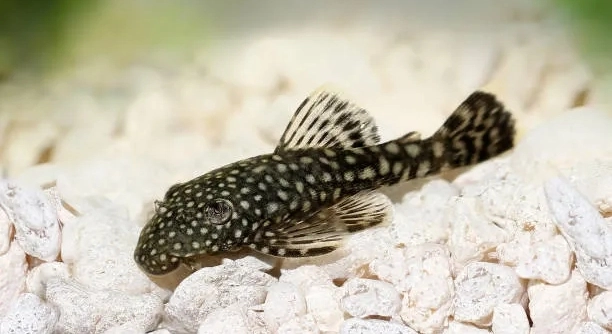
The Plecostomus, or pleco, is a popular aquarium fish known for its algae-eating habits. Many wonder whether this fish can thrive in smaller tanks, such as nano tanks, considering its size and activity level.
The Plecostomus is not ideal for nano tanks. These fish grow large and require ample space to swim and thrive. Nano tanks typically lack the necessary space and filtration to meet the needs of a fully grown pleco.
Understanding the limitations of keeping a pleco in a small tank can help ensure a healthy, stress-free environment for both the fish and the tank owner.
Why Nano Tanks Aren’t Suitable for Plecostomus
Nano tanks typically range from 5 to 20 gallons, making them unsuitable for Plecostomus, which can grow up to 24 inches long. These small tanks don’t provide the necessary space for a fish that requires room to swim, explore, and graze on algae. The limited area also restricts water flow and filtration, which are critical for a pleco’s well-being. A lack of space leads to stress and health problems, ultimately shortening the lifespan of the fish. Inadequate filtration can also cause an imbalance in the water parameters, leading to poor water quality, which is harmful to any fish.
The physical and biological requirements of the pleco extend far beyond what a nano tank can provide. In terms of space, food, and water conditions, they need more than a small tank can offer.
Although some might consider placing a smaller pleco in a nano tank temporarily, it’s essential to acknowledge the long-term implications. Even juvenile plecos need space to grow, and keeping them in a confined tank could lead to stunted growth and poor health. A larger tank with proper filtration can mimic their natural habitat and provide a healthier environment. This is especially true if you plan to keep more than one pleco or other tank mates. A tank of at least 55 gallons is often recommended to ensure that your pleco has enough space to thrive.
Alternatives for Smaller Tanks
For nano tanks, consider fish that are naturally smaller and less demanding. Species such as Betta fish or guppies thrive in smaller environments.
These fish are typically less active and have lower space and filtration requirements. While they might not help control algae as effectively as a pleco, they can adapt well to smaller tanks without suffering from space-related stress. For algae control, consider adding snails or shrimp, both of which are smaller and suitable for nano tanks.
Space Requirements for Plecostomus
Plecostomus are large fish that need ample swimming space. In a nano tank, they’re confined and unable to exhibit natural behaviors, leading to stress and health problems. A larger tank, around 55 gallons or more, is necessary to allow them to move freely and grow properly.
In addition to space, plecos require room for grazing on algae and other food sources. Nano tanks don’t provide enough surface area for them to feed naturally. If their needs are not met, they can become malnourished, affecting their overall health. Overcrowding can also result in increased waste, further deteriorating water quality.
Providing proper space for a Plecostomus helps ensure they live a healthier, more comfortable life. Tanks with good filtration and space for movement mimic the conditions of their natural habitat, leading to a happier, more active fish.
Tank Size vs. Filtration Needs
Filtration is a critical factor when keeping a Plecostomus. The size of the tank directly impacts the efficiency of the filtration system. Smaller tanks often can’t accommodate a powerful enough filter, leading to poor water quality and excess waste.
In larger tanks, filtration systems can be more robust, keeping the water clean and maintaining a stable environment. Plecos are known for producing a significant amount of waste, and without proper filtration, this can quickly lead to unhealthy conditions. In a nano tank, the combination of limited space and insufficient filtration can cause the tank’s water quality to degrade rapidly, stressing the pleco.
The filtration system should match the tank’s size to avoid these issues. A larger tank with a suitable filter ensures that the pleco’s environment remains clean, promoting better health and reducing the risk of disease or stress.
Growth of Plecostomus
Plecostomus grow quickly and can reach impressive sizes. In a nano tank, the confined space prevents them from growing to their full potential. This can cause long-term health issues, including stunted growth and stress, which negatively impacts their lifespan.
If the pleco is kept in an environment too small for its size, it won’t have the space to develop its natural behavior or body shape. The growth may be stunted, resulting in physical and psychological stress. Plecos need room to grow properly, and a tank too small for them hinders that process.
Plecostomus and Water Quality
Plecos contribute significantly to the bioload of the tank due to their waste production. In a nano tank, this can quickly lead to deteriorating water quality. Regular water changes and strong filtration are necessary, but even these might not be enough to maintain ideal conditions in such a small space.
With proper water parameters and filtration, plecos can thrive in larger tanks. In a nano tank, however, the high waste output combined with limited filtration capability makes it harder to keep water quality stable. This increases the chances of harmful spikes in ammonia, nitrites, and nitrates, which affect the pleco’s health.
Alternative Algae Cleaners
If you’re looking for algae control in a nano tank but can’t accommodate a pleco, consider alternatives like snails or shrimp. These creatures are more suitable for smaller environments and can help keep algae in check without overcrowding the tank.
Both snails and shrimp are efficient at consuming algae, and they don’t require the large space or filtration needs of a pleco. They are easy to maintain and make great companions in small tanks. However, these alternatives won’t have the same algae-eating capacity as a Plecostomus, but they’re effective in smaller environments.
FAQ
Can a Plecostomus live in a 20-gallon tank?
While a 20-gallon tank might suffice for a young Plecostomus, it won’t be suitable for long-term care. Plecos grow quickly, and a 20-gallon tank lacks the space for them to thrive as they mature. They need at least 55 gallons to accommodate their full size and activity level. The confined space also puts extra strain on the filtration system, making it harder to maintain clean water.
What size tank does a Plecostomus need?
A Plecostomus should be kept in a tank that is at least 55 gallons. This size gives the fish plenty of room to grow and move around. It also helps with maintaining good water quality, as larger tanks are easier to manage in terms of filtration and waste control. A 55-gallon tank also allows you to add other fish and plants without overcrowding.
Can I keep a Plecostomus with other fish in a nano tank?
It’s not advisable to keep a Plecostomus with other fish in a nano tank. Nano tanks have limited space, and a Plecostomus needs room to swim freely and maintain good water quality. In a confined space, the fish might become stressed, and the bioload from multiple fish can quickly degrade water conditions.
What type of food do Plecostomus eat?
Plecostomus are primarily herbivores and eat algae, plant matter, and some types of organic debris. In an aquarium, they will also benefit from algae wafers and vegetables like zucchini, cucumbers, or spinach. They also scavenge for leftover food particles in the tank, helping with tank cleanliness. It’s important to provide a variety of food to ensure they get proper nutrition.
Do Plecostomus need a filter?
Yes, Plecostomus require a strong filter due to their high waste output. A good filtration system is essential for maintaining water quality, which is especially important in a tank where the Pleco’s large size and waste production can quickly lead to water imbalance. Without a proper filter, harmful substances like ammonia and nitrates can build up, causing stress and health problems for the fish.
Are Plecostomus easy to care for?
Plecostomus are relatively easy to care for if their environmental needs are met. They are hardy fish that can tolerate a range of water conditions, but they still require a proper tank size, filtration, and water maintenance. They are also low-maintenance when it comes to feeding, as they naturally graze on algae, though they do need supplementary food. Keeping them in an appropriate tank size is the key to successful care.
How often should I clean my Plecostomus tank?
Plecostomus tanks should be cleaned regularly to maintain good water quality. Perform partial water changes of 25-30% every week to keep the tank clean. Additionally, you should clean the filter every month and check for any debris or algae buildup on the substrate or decorations. While Plecos help with algae control, they cannot fully clean a tank, so regular maintenance is still required.
Can a Plecostomus live with bettas in a nano tank?
It’s not recommended to house a Plecostomus with a Betta in a nano tank. Betta fish are territorial, and the confined space of a nano tank can lead to aggression. Plecostomus also need more space to swim and grow, which a nano tank cannot provide. A larger tank is necessary for both species to live peacefully and healthily.
What is the lifespan of a Plecostomus?
Plecostomus typically live for around 10-15 years when provided with the proper care. Their lifespan is heavily dependent on tank size, water quality, and overall maintenance. If kept in a small tank, they may suffer from stress and health problems, which could shorten their lifespan.
Do Plecostomus require special lighting?
Plecostomus don’t require special lighting, but they do need a natural day/night cycle. Lighting should be gentle and not too bright, as plecos are nocturnal and prefer dim environments during the day. Standard aquarium lighting works fine as long as it’s not too harsh. The main priority should be maintaining good water quality and a suitable environment.
Why is my Plecostomus not eating?
If your Plecostomus isn’t eating, there could be several reasons. Check the water quality, as poor conditions can cause stress and loss of appetite. Ensure the tank is large enough for the pleco, as overcrowding can lead to stress. Sometimes, plecos might also refuse food if the tank doesn’t have enough algae or if they are offered unfamiliar foods. If the problem persists, consult with an aquarium specialist.
Can Plecostomus live with shrimp?
Yes, Plecostomus can live with shrimp in larger tanks. They are peaceful fish and won’t typically bother shrimp, but they can accidentally damage smaller shrimp while swimming or foraging. In a smaller tank, there may be limited space, which could result in stress or competition for food, so it’s essential to monitor their interactions.
Final Thoughts
Choosing the right environment for a Plecostomus is essential to ensuring its health and well-being. These fish require a spacious tank, ideally no smaller than 55 gallons, to thrive. While they may start small, Plecostomus can grow significantly, and a cramped tank can lead to various health problems. Keeping them in a nano tank is not advisable, as it can lead to stunted growth, stress, and poor water quality. It’s crucial to understand the space and care requirements of these fish before committing to their long-term care.
Plecostomus are hardy fish that can adapt to a variety of conditions, but their size and waste production demand proper tank management. Regular water changes, a strong filtration system, and a varied diet are all essential components of their care. While they are low-maintenance in terms of feeding, they do need an environment where they can grow, explore, and maintain good health. A nano tank, with its limited space and filtration capacity, is not suitable for keeping a Plecostomus in the long run. Larger tanks provide the necessary conditions for a healthy and happy Pleco.
Overall, while Plecostomus are excellent algae eaters and peaceful tank mates, they require more space than a nano tank can offer. It’s best to consider their size and needs before adding one to your aquarium. If you can provide them with the right environment, Plecostomus can be a great addition to your tank. However, if space is limited, consider other algae-eating options that are better suited for smaller tanks, like snails or shrimp. Always prioritize the well-being of your fish by ensuring they have the space and care they need to thrive.

Hello,
If you enjoy the content that we create, please consider saying a "Thank You!" by leaving a tip.
Every little bit helps us continue crafting quality advice that supports the health, happiness, and well-being of pets around the world, for pets of all shapes, sizes, and species.
We really appreciate the kindness and support that you show us!