
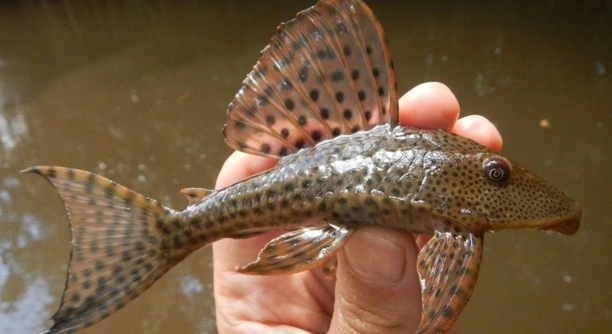
When setting up a fish tank, choosing the right tankmates for your Betta can be challenging. One potential pairing is the Pleco, a popular aquarium fish known for its algae-eating habits.
While a Pleco can coexist with a Betta in the same tank, compatibility largely depends on the specific species of Pleco and the tank environment. Bettas are territorial, so providing enough space and hiding spots for both fish can reduce aggression.
Understanding the dynamics of tankmates and considering factors like size and behavior will help ensure both your Betta and Pleco thrive in the same space.
Plecos and Bettas: Understanding the Basics
Plecos are bottom-dwelling fish that thrive on algae and detritus. They have a peaceful nature but can become territorial, especially when they feel their space is threatened. Bettas, on the other hand, are known for their aggressive behavior, particularly towards other fish with similar body shapes or colors. Because of these differences, the success of keeping a Pleco with a Betta depends largely on the environment, size of the tank, and species of Pleco. A larger tank provides more space, which helps reduce territorial disputes. Providing plants, rocks, and decorations creates hiding spots that allow both fish to have their own space. A well-balanced ecosystem ensures that both fish can coexist peacefully.
A key factor to success is understanding their behavioral differences. While Plecos are more laid-back, Bettas can become aggressive, particularly in smaller or overly crowded tanks.
When considering tankmates, it’s crucial to ensure that both fish are comfortable. The size of the tank, the number of hiding spots, and monitoring water quality are all factors that contribute to keeping a peaceful aquarium environment.
Tank Size and Space Considerations
A larger tank increases the chances of keeping both fish together. A minimum of 30 gallons is recommended for Betta and Pleco pairs. This allows enough space for both to establish territories and avoid stress.
In smaller tanks, the Betta may feel threatened by the Pleco’s presence. If they feel cornered or crowded, Bettas can become more aggressive. On the other hand, Plecos need room to swim and forage for algae. The bigger the tank, the easier it is to manage their separate territories.
Additionally, a larger tank maintains better water quality. The more space available, the less likely it is for toxic waste buildup, which benefits both fish. Proper filtration also helps keep the environment stable, reducing stress for both the Pleco and the Betta.
Hiding Spots and Decor
Creating hiding spots within the tank provides both fish with a sense of security. Use caves, plants, or decorations to help each fish feel safe. This reduces the likelihood of territorial disputes.
Both fish benefit from having their own space. Plecos enjoy exploring hiding places where they can retreat during the day, while Bettas prefer spaces where they can rest or escape threats. Placing plants near the bottom can also offer the Pleco a place to graze on algae while giving the Betta areas to patrol. Adding driftwood or large rocks also creates natural barriers.
By having enough decor and hiding spots, you allow both fish to have control over their environment. This makes it easier for them to coexist without feeling constantly threatened or stressed. Both species require different needs, and meeting them helps ensure peaceful cohabitation.
Water Conditions and Quality
Maintaining good water quality is essential for both fish. Both Bettas and Plecos need stable water parameters, with slightly warm temperatures around 75-80°F. Regular water changes are necessary to prevent harmful toxins from building up.
Over time, poor water quality can cause stress for both fish. It can also increase the likelihood of diseases, making it harder for them to coexist. Plecos, especially, are sensitive to changes in water chemistry, so it’s important to maintain stable conditions. Monitoring water hardness and pH levels also helps prevent conflicts and ensures a healthy environment for both species.
Diet and Feeding
Feeding both fish the right food helps reduce competition for resources. Bettas are carnivores and should be fed high-quality pellets or live food, while Plecos are primarily herbivores and prefer algae wafers or vegetables.
Offering separate feeding zones can help keep both fish from becoming territorial over food. Betta aggression around feeding times is common, so it’s important to provide food in different areas of the tank. A Pleco can also be trained to graze on algae, which will help limit food-related disputes.
Compatibility with Other Tankmates
Adding other tankmates, such as peaceful fish, can reduce aggression between the Betta and Pleco. It helps distract the Betta and provides more opportunities for the Pleco to explore.
Ensure the other tankmates are non-aggressive and won’t threaten the Betta’s territory. Peaceful species, such as small tetras or snails, can work well alongside a Pleco and Betta combo. The key is to avoid introducing any fish that may trigger the Betta’s territorial instincts or compete for food.
FAQ
Can a Betta live with a Pleco?
Yes, a Betta can live with a Pleco as long as the tank is large enough, with plenty of hiding spots. Bettas are territorial, so the key is to provide enough space for both to feel secure. A minimum of 30 gallons is recommended. It’s important to monitor their behavior closely to ensure that neither fish becomes too stressed or aggressive. A Pleco’s peaceful nature typically allows it to coexist with Betta, as long as both fish have their own territories.
What size tank do I need for a Betta and Pleco?
A 30-gallon tank is the minimum recommended size for keeping a Betta and a Pleco together. This provides enough space for both fish to establish territories and reduces the chance of stress or aggression. If the tank is too small, it can lead to competition for space and resources, which could cause issues between the two species. Larger tanks also help maintain better water quality, which is essential for both fish’s health.
How do I prevent aggression between my Betta and Pleco?
To reduce aggression, make sure there are plenty of hiding spots in the tank. Adding plants, caves, or rocks creates separate areas where each fish can retreat to avoid conflict. Additionally, monitor the Betta’s behavior during feeding times. Bettas can become territorial when food is involved, so feeding them in different areas of the tank can help minimize disputes. Ensuring that the tank is large enough also allows both fish to claim their space without feeling threatened.
Will my Betta attack the Pleco?
Betta aggression towards a Pleco is unlikely, as Plecos are typically bottom-dwellers and don’t compete for the Betta’s territory. However, Bettas may attack if they feel crowded or threatened. Keeping the tank large enough, with plenty of hiding spots, will reduce the chances of the Betta becoming overly territorial. Be sure to monitor the tank regularly to ensure both fish are comfortable and that the Pleco’s long fins are not seen as a target for the Betta’s aggression.
Do Plecos need a lot of space?
Yes, Plecos need space to swim and forage. While they are generally peaceful, they can become stressed in smaller tanks, which may cause them to behave erratically. A Pleco’s size also requires a tank with enough space to accommodate its growth. It’s important to provide a large tank with plenty of hiding places to keep the Pleco comfortable and reduce stress. A 30-gallon tank or larger is ideal for most species of Plecos.
What type of Pleco is best for a Betta tank?
The best type of Pleco for a Betta tank is a smaller species, such as the Bristlenose Pleco or the Clown Pleco. These species tend to stay smaller in size and are peaceful, making them better suited for community tanks. Larger species, like the Common Pleco, can grow too large for a standard tank and may cause problems with space. When choosing a Pleco, it’s important to consider their adult size and temperament to ensure they will be compatible with your Betta.
Can Plecos eat Betta food?
Plecos should not be fed Betta food, as it does not meet their dietary needs. Bettas are carnivores, while Plecos are herbivores. Plecos require algae-based foods, such as algae wafers, or vegetables like zucchini and cucumber. Feeding them Betta food could lead to nutritional deficiencies. It’s important to provide a variety of foods that cater to the specific needs of both fish to ensure they both remain healthy and well-nourished.
What should I do if my Betta becomes aggressive towards the Pleco?
If your Betta becomes aggressive towards the Pleco, consider adding more hiding spots or rearranging the tank to break up the sight lines between the two fish. Sometimes, simply changing the layout can reduce territorial behavior. If aggression continues, try separating them temporarily and reintroducing them gradually. A larger tank with more space may also help reduce territorial disputes. Keep a close watch to ensure that neither fish is stressed or injured during interactions.
How often should I clean the tank with a Betta and Pleco?
Regular maintenance is crucial for keeping both fish healthy. Clean the tank once a week by performing a 25-30% water change to keep the water quality stable. Plecos help with algae control, but they still require assistance in keeping the tank clean. Remove any uneaten food and debris, and ensure the filter is running properly to maintain optimal water conditions. If the tank has more fish or is heavily planted, you may need to clean more frequently.
Can I add other fish with a Betta and Pleco?
Yes, you can add other fish, but be mindful of their compatibility with both the Betta and the Pleco. Choose peaceful fish that won’t provoke the Betta or compete with the Pleco for food. Small species like tetras or snails are typically a good choice. Avoid adding fish with long, flowing fins or aggressive behaviors, as these could provoke the Betta’s territorial instincts. Always monitor the tank closely after adding new fish to ensure harmony among all inhabitants.
Final Thoughts
When considering whether a Betta can live with a Pleco, the most important factors to keep in mind are the tank size, the personalities of both fish, and the environment you create. Bettas are territorial, so ensuring enough space and providing plenty of hiding spots is essential. The Pleco, generally a peaceful fish, can thrive in a community tank if the conditions are right. A minimum tank size of 30 gallons is recommended to avoid overcrowding and stress for both fish. It’s also important to monitor their behavior closely, especially during feeding time, to prevent aggression from the Betta.
Providing a proper environment for both the Betta and Pleco is key to their well-being. Having enough plants, rocks, or caves allows both species to claim their own territory and find refuge when needed. The Betta may be more active in exploring the upper levels of the tank, while the Pleco usually stays at the bottom, searching for algae and food. This natural division of space helps to reduce the chances of conflict. Additionally, keeping the water clean and maintaining a stable temperature will help both fish feel secure in their shared habitat.
Despite the challenges, it is possible for a Betta and a Pleco to live together harmoniously. The key to success lies in providing a proper tank setup and being observant of their behavior. Bettas can sometimes show aggression, so giving them a tank large enough to establish territories is crucial. Plecos, on the other hand, are typically very peaceful and can coexist with other species as long as they are not a threat. With proper care, both fish can enjoy a comfortable and healthy environment together.

Hello,
If you enjoy the content that we create, please consider saying a "Thank You!" by leaving a tip.
Every little bit helps us continue crafting quality advice that supports the health, happiness, and well-being of pets around the world, for pets of all shapes, sizes, and species.
We really appreciate the kindness and support that you show us!