
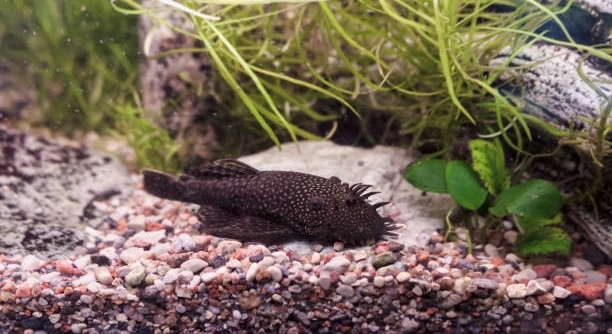
Plecos are fascinating fish, often seen in aquariums as they help keep tanks clean. But there’s more to them than just their cleaning abilities. Many people wonder whether plecos can recognize other fish in their environment.
Research suggests that plecos may have the ability to recognize familiar fish in their tank. They can identify certain species, especially those they interact with regularly, using sensory cues like sight and smell. This behavior may indicate some level of social awareness.
Understanding their behavior can enhance how you manage your aquarium environment. It’s essential to explore this intriguing aspect of their interaction with other fish for a better understanding of their social behavior.
How Plecos Use Their Senses to Recognize Other Fish
Plecos rely on a combination of their sight and sense of smell to distinguish between fish in their tank. They have good eyesight, especially in low-light conditions, which helps them identify shapes and movement. Additionally, their sense of smell plays a big role in recognizing familiar species. Fish often communicate through scent, and plecos may use this to identify others in the tank. They can also remember fish that have been in the tank for a while, using these sensory cues to recognize familiar companions or potential threats.
Plecos’ social behavior can vary depending on the species in the tank. They might show a form of territoriality when it comes to certain fish, using their senses to establish a sense of “who belongs.” This behavior can affect the overall balance of the aquarium, particularly if fish show aggression or stress.
As your pleco gets more accustomed to its tank mates, you may notice that it interacts differently with certain fish. Understanding their behavior can help ensure harmony in your aquarium setup.
The Role of Environmental Cues in Recognition
Fish, including plecos, are highly influenced by their surroundings. Environmental cues like the layout of the tank, lighting, and even water chemistry can play a role in how plecos interact with other species. Over time, they learn to associate these cues with specific fish. Plecos can also use these factors to help them recognize familiar fish when they move throughout the tank.
Aquarium setups with plenty of hiding spots and clear water flow can make it easier for plecos to form these associations. This natural learning process enables them to keep track of their tank mates and avoid conflict. Properly managing these factors helps plecos feel secure and recognize other fish more effectively, leading to a peaceful environment.
Can Plecos Recognize Other Species?
Plecos are able to distinguish between different species of fish in their tank, thanks to their sensory abilities. They rely heavily on sight and smell to identify individuals. This sensory recognition helps them navigate their environment.
Over time, plecos can recognize the fish they share their tank with, especially if the species interact regularly. They might not just rely on visual cues; plecos also have an impressive sense of smell. This allows them to identify tank mates by scent, making them more aware of who is around them. As a result, plecos can recognize both familiar and unfamiliar fish, adjusting their behavior accordingly.
This recognition often influences how plecos interact with different fish. If they have frequent encounters with certain species, they might become more tolerant or even exhibit territorial behaviors. Such interactions suggest that plecos may be more socially aware than we initially thought.
Factors That Affect Recognition
The recognition abilities of plecos can also be influenced by factors like tank size, water quality, and species diversity. Plecos in larger tanks may have a harder time identifying fish compared to those in smaller, more compact environments.
Tank layout and hiding spots also play a role in recognition. Plecos can feel more secure if they have areas to retreat to, which can reduce stress and improve their ability to recognize others. Stress can interfere with their sensory abilities, leading to a less clear sense of recognition. In contrast, a well-maintained environment encourages better sensory processing, making it easier for plecos to identify and interact with tank mates. Proper tank care can contribute to a more harmonious aquarium ecosystem.
Plecos and Social Behavior
Plecos show unique social behaviors depending on the species they share a tank with. They often interact with other fish based on the recognition of specific cues like sight and smell. These interactions can reveal their social tendencies.
For instance, some plecos become more territorial around fish they recognize, while others may appear indifferent. Their behavior can change depending on the tank setup and how often they encounter certain species. The level of interaction also depends on the size and temperament of both the pleco and its tank mates.
Plecos’ Impact on Tank Harmony
When plecos recognize certain fish, they might also influence the overall harmony in the tank. Their social behavior can either foster peaceful coexistence or lead to aggression, particularly in smaller spaces. Some plecos can be territorial, and recognizing other fish can trigger defensive actions.
It’s important to monitor how plecos interact with other species, especially if territorial behavior is noticed. In mixed-species tanks, the dynamic between fish can shift over time, and plecos may either get along or show signs of stress. Proper tank management can help reduce conflicts, ensuring a more balanced environment for everyone.
Tank Maintenance and Fish Interaction
Tank maintenance is crucial for the well-being of plecos and their ability to recognize other fish. Regular cleaning, water changes, and keeping the tank well-structured can all influence how plecos perceive and interact with their tank mates. Clean water helps reduce stress, making it easier for plecos to feel secure and interact confidently.
FAQ
Can plecos recognize their owners?
Yes, plecos can recognize their owners over time, especially if they are fed regularly by them. Plecos may learn to associate their owner’s presence with food, which can lead to them approaching when they see you. However, their recognition of humans is more based on routine and scent rather than emotional bonding like some other pets.
Do plecos get along with other fish?
Plecos generally get along with many other fish species, especially peaceful ones. However, they can be territorial, especially if there are limited hiding spots in the tank. It’s important to choose compatible tank mates to prevent any stress or aggression. Plecos tend to avoid confrontations, but may act defensively if they feel threatened.
Can plecos live with bettas?
Plecos and bettas can live together in the same tank, but care should be taken when choosing the right species of pleco. Some plecos, like the bristlenose pleco, are more peaceful and less likely to provoke a betta. Bettas are territorial and may become aggressive towards plecos if space is limited, especially during the betta’s mating season.
How do plecos show stress?
Plecos show stress through changes in behavior, such as hiding more frequently, a lack of appetite, or rapid swimming. They may also develop visible signs like a dull or faded color, or excessive rubbing against tank decorations. Stress in plecos often stems from poor water quality, overcrowded tanks, or incompatible tank mates.
Can plecos live with cichlids?
Plecos can live with some cichlids, especially peaceful varieties, but this depends on the specific cichlid species. Some cichlids are aggressive and may harm plecos, especially if they feel their territory is threatened. When keeping plecos and cichlids together, provide plenty of hiding spots and ensure the tank is large enough to accommodate both species comfortably.
What do plecos eat?
Plecos are primarily herbivores but will eat a variety of foods in the wild, including algae, plant matter, and small invertebrates. In the home aquarium, they often eat algae, sinking pellets, vegetables like zucchini or cucumber, and algae wafers. Occasionally, they may also consume protein-based foods, though their diet should focus mainly on plant matter.
Do plecos need to be fed daily?
Yes, plecos should be fed daily, especially if the tank does not naturally provide enough algae for them to graze on. While plecos can survive on algae and leftover food, they benefit from a varied diet, including vegetables and specially formulated pleco food. Overfeeding should be avoided to maintain water quality.
Why is my pleco always hiding?
Plecos are naturally shy fish, and hiding is a normal behavior, especially in a new environment. However, if your pleco is constantly hiding, it could also be a sign of stress, poor water conditions, or territorial disputes with other fish. Ensure your pleco has plenty of hiding spots and that water parameters are stable.
Can plecos survive without algae?
Plecos can survive without algae, but they need an alternative food source. In the wild, plecos graze on algae for most of their diet, but in a tank, they rely on food like vegetables, sinking pellets, and algae wafers. It’s important to provide these alternatives to ensure they stay healthy.
How long do plecos live?
Plecos can live for a long time, with many species reaching 10 to 15 years in captivity if cared for properly. Larger species, such as the common pleco, can live even longer under ideal conditions. Proper tank maintenance and a balanced diet are key to helping plecos reach their full lifespan.
Are plecos nocturnal?
Yes, plecos are nocturnal by nature. They tend to be more active at night, feeding and exploring their tank during the darker hours. This behavior is common in species that are adapted to live in murky waters where there is less light during the day. Providing low lighting can help mimic their natural environment.
What size tank do plecos need?
The size of the tank plecos need depends on the species. For smaller plecos, like the bristlenose, a 20-gallon tank is sufficient. However, larger species, like the common pleco, can grow up to 24 inches and require a tank of at least 75 gallons. Always research the specific requirements of your pleco species before setting up the tank.
Can plecos be kept in a small tank?
While some plecos can survive in smaller tanks, they generally do better in larger environments. Small tanks can lead to stress, poor water quality, and lack of space to hide, all of which can affect their health. A larger tank allows for more natural behavior and a more stable environment.
Do plecos help clean the tank?
Yes, plecos help clean the tank by eating algae, debris, and leftover food that falls to the bottom. However, they should not be relied upon as the sole source of cleaning. Regular tank maintenance, such as water changes and substrate cleaning, is still necessary to keep the environment healthy for all fish.
Why is my pleco not eating?
A pleco may stop eating due to stress, illness, or poor water conditions. Ensure the tank’s water is clean and the temperature is appropriate for the species. Stress from aggressive tank mates or environmental changes can also lead to loss of appetite. If the issue persists, check the water parameters and consider a vet visit if illness is suspected.
Can plecos be kept with shrimp?
Plecos can be kept with shrimp, though some species of pleco may eat smaller shrimp, especially their eggs. It’s important to choose a pleco species that is less likely to be predatory. If you plan to keep plecos and shrimp together, ensure the shrimp have plenty of hiding spots to stay safe.
What is the best pleco for beginners?
The bristlenose pleco is considered one of the best choices for beginners. It’s small, easy to care for, and efficient at algae cleaning. Bristlenose plecos are peaceful and adapt well to a variety of tank conditions. They thrive in tanks as small as 20 gallons, making them perfect for smaller setups.
Final Thoughts
Plecos are fascinating fish with unique behaviors and needs, making them a great addition to many aquariums. Their ability to help clean the tank by eating algae and leftover food makes them valuable members of an aquatic community. However, keeping a pleco requires understanding its specific care needs. Factors like tank size, water conditions, and compatible tank mates all play a role in ensuring the pleco’s health and well-being.
Choosing the right pleco species for your tank is essential. Smaller plecos, like the bristlenose, are perfect for smaller aquariums, while larger species may need much more space. It’s important to research the species before deciding which pleco to bring home. Some plecos are more active at night, and their nocturnal nature means they might not interact as much during the day, so their behavior could be different than other more active fish in the tank. Be sure to provide plenty of hiding spots and a stable environment to keep them comfortable.
Maintaining a healthy aquarium is key to the success of any fish, including plecos. Regular water changes, proper filtration, and a balanced diet will help keep the pleco in good health. Monitoring tank mates and making sure the tank is large enough for all the fish will also contribute to a stress-free environment. Overall, with the right care and attention, plecos can thrive in your aquarium for many years, adding both functionality and beauty to your tank.

Hello,
If you enjoy the content that we create, please consider saying a "Thank You!" by leaving a tip.
Every little bit helps us continue crafting quality advice that supports the health, happiness, and well-being of pets around the world, for pets of all shapes, sizes, and species.
We really appreciate the kindness and support that you show us!