
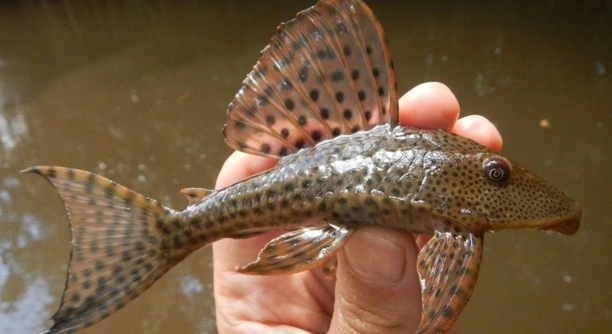
Many fish owners often wonder if their plecos recognize them or if they’re simply creatures of habit. It’s a common curiosity among those who enjoy keeping these fascinating freshwater fish in their tanks.
Research suggests that plecos may not recognize their owners in the way pets like dogs or cats do, but they can become accustomed to their presence. They are likely to associate their owners with feeding times and their environment, building a sense of familiarity.
Understanding how plecos interact with their owners can help improve your bond with these peaceful tank dwellers. In this article, we’ll explore how plecos might react to human presence and how you can build a more meaningful connection with them.
Do Plecos Recognize Their Owners?
Plecos are known for their quiet and somewhat shy nature. Unlike more interactive pets like dogs, plecos don’t actively seek human companionship. However, they do become accustomed to their environment, which includes their owner. Over time, they can learn to recognize patterns like feeding times. It’s possible that, in this sense, they associate you with food, which could influence how they react when you approach the tank.
Although plecos don’t have the same level of interaction as more social pets, they are capable of recognizing familiar routines. This pattern recognition might not be the same as “recognizing” you as an individual, but they do develop an understanding of who provides care and food.
In the aquarium, plecos often become used to the daily care rituals. They might swim toward you when they see you approach, especially during feeding times. It’s an instinctual response tied to survival, rather than a sign of affection or attachment.
How Does Their Environment Affect Recognition?
The tank setup can influence how well a pleco responds to its owner. Changes in the tank, such as rearranging decorations, might throw off their sense of familiarity.
Plecos have good memories for routines and can get used to a stable environment. If the setup is consistent, they are more likely to recognize the person who feeds them. However, alterations to their habitat can create confusion, leading to a temporary withdrawal. Familiarity with surroundings and routine is key.
Can Plecos Learn to Recognize Their Owners?
Plecos do not have the same bond with their owners as more social pets, but they are capable of associating their caretakers with food. This learning process comes from their ability to recognize patterns and routines.
Over time, plecos become familiar with the person who feeds them and maintains their tank. This recognition might not be emotional or affectionate, but it is based on association. When the owner appears, the pleco might swim toward them, anticipating food or interaction. However, this behavior is not driven by a deeper recognition, but more by instinct and routine.
Unlike dogs or cats, plecos aren’t likely to seek attention or interact in ways that display affection. Their recognition is more about practical needs, such as food, than it is about forming a personal bond. Still, over time, they may grow more comfortable with their owner’s presence, simply because it is tied to their daily care.
Do Plecos Respond to Their Owner’s Voice?
Plecos do not have the same sense of hearing as mammals, but they can become aware of vibrations in the water. However, they may not truly respond to human voices in a meaningful way.
Sound waves travel differently underwater, and plecos are more attuned to vibrations. They might react to noises, especially those that vibrate the water. This could include the sound of your voice or footsteps. However, it’s likely that they associate these vibrations with events like feeding or tank maintenance. The response is instinctual, tied to their routine. Plecos are more likely to swim toward the surface when they sense movement or vibrations, expecting food or attention.
While their response to sound is limited, plecos can grow accustomed to the sounds of their owner’s voice if associated with feeding times. Even though they don’t “recognize” their owner’s voice in the way dogs or cats do, they do respond to familiar sounds and movements.
Can Plecos Form a Bond with Their Owners?
Plecos do not form strong emotional bonds like more affectionate pets. However, they can associate their owners with feeding times and routine tank care. This association might make them more comfortable in the presence of their caretaker.
The bond a pleco forms is based on familiarity and routine, not affection. They are likely to grow accustomed to their owner’s presence, especially if their routine is consistent. It’s the predictability of care, like feeding times, that leads them to react to the person who provides it. This kind of bond is practical rather than emotional.
How Can You Build a Better Connection with Your Pleco?
A pleco’s trust in its owner is based on consistency. Feeding them at the same time daily, and maintaining a clean tank, can help build familiarity. Keeping the tank environment stable is key to keeping them comfortable.
Plecos are creatures of habit. They respond well to routine, and they are most likely to approach their owner if they associate them with food or a stable environment. You can also try avoiding sudden movements near the tank and providing enrichment, like hiding spots or surfaces for the pleco to explore. This can help create a more positive and relaxed atmosphere, encouraging the pleco to become more accustomed to your presence. With patience and consistency, your pleco might become more comfortable in its environment.
FAQ
Do plecos need interaction with their owners?
Plecos don’t require interaction in the way dogs or cats do. They are naturally solitary creatures and prefer to be left alone for the most part. They won’t seek attention or companionship from their owners. However, they do respond to routine care, such as feeding, cleaning, and tank maintenance. While they may not engage in active bonding, they may come to recognize the person who provides this care. They can grow comfortable with regular interaction, even if it’s just you providing food or cleaning the tank.
Can plecos recognize their owners by sight?
Plecos don’t have the same ability to recognize individuals by sight like dogs or cats. Their vision is limited, especially in low-light conditions. Plecos are more sensitive to vibrations and movement in the water. While they may not recognize you visually, they can associate the presence of a person with food, or the action of tank cleaning. Over time, they may swim toward you as they associate you with positive events, such as being fed, but it’s unlikely they know you by sight alone.
Do plecos become stressed with a change in tank owners?
Plecos are creatures of habit, and any significant change to their environment can cause them stress. A change in tank owner can alter their routine, but the amount of stress they experience depends on how well they adapt to the new person. If their new owner maintains the same feeding schedule, water quality, and tank maintenance, they should adjust over time. Plecos tend to be resilient and may eventually recognize the new person providing care, but sudden changes in their environment can initially cause stress.
How can I tell if my pleco is comfortable with me?
Plecos are not known for being particularly affectionate, but you can observe their behavior to gauge their comfort level. If your pleco is swimming calmly around the tank, eating regularly, and approaching the surface when it’s time to feed, these are signs that they are familiar and comfortable with their surroundings, including you. A pleco that hides constantly or seems skittish may be stressed or not yet comfortable with its environment or caretaker. Gradual adjustments and a consistent routine will help them feel more at ease.
How long does it take for a pleco to get used to a new tank owner?
The time it takes for a pleco to get used to a new owner varies, but it generally takes a few weeks for them to adapt to changes in their routine. During this time, maintaining consistency is crucial. If the new owner continues the same feeding schedule and tank maintenance, the pleco will begin associating them with positive experiences. If the pleco seems to hide or be shy, don’t worry—this is normal while they adjust. Over time, the pleco will become more accustomed to the new presence and routine.
Do plecos recognize their owners by smell?
There’s limited evidence suggesting that plecos can recognize their owners by smell in the same way that dogs or other mammals might. Plecos rely more on their ability to detect vibrations in the water rather than using scent to identify their owner. While they can likely recognize patterns based on routines, it’s more likely that they associate their caretaker with specific actions, such as feeding, rather than with a particular smell. Their recognition is based more on familiarity with behavior than sensory cues like scent.
Can plecos get lonely?
Plecos are solitary creatures and typically do not experience loneliness in the way social animals do. They do not require companionship to feel comfortable or happy. In fact, they tend to do better when left alone in their tank. If kept with other fish, plecos may even prefer to have their own space and hide away from tank mates. While they benefit from a stable environment, they do not need social interaction with other fish or humans to thrive. As long as their tank is kept clean and their basic needs are met, they will be content.
What can I do to make my pleco more comfortable with me?
To make your pleco more comfortable with you, maintain a consistent routine. Feed them at the same time every day, keep the water conditions stable, and avoid sudden movements near the tank. Plecos prefer a peaceful environment, so minimize disturbances and ensure the tank has plenty of hiding spaces. Over time, as the pleco associates you with care and food, they may become more familiar and comfortable with your presence. It’s important to remember that while plecos can grow accustomed to their caretaker, they will never form the same level of bond that more social pets do.
Do plecos remember their owners?
Plecos have a form of memory, but it’s different from that of mammals. They are capable of remembering routine events like feeding times and tank maintenance, but it’s unlikely that they “remember” you in the way you may hope. Their memory is likely more focused on familiar routines and the association of you with food or care. If you remain consistent with your care, your pleco will eventually come to recognize you as part of their daily environment. However, this recognition will be more about routine than about remembering you as an individual.
Final Thoughts
Plecos are fascinating creatures that can develop a certain level of familiarity with their tank owners, although their recognition isn’t based on affection or strong emotional bonds. Unlike more social pets, plecos are solitary and independent by nature. They are not likely to seek attention, but they do become accustomed to their routines, such as feeding and tank maintenance. Over time, they may recognize the person who cares for them, not by sight or scent, but through the predictable actions and patterns that they associate with positive experiences like food.
Although plecos won’t form bonds in the same way dogs or cats do, they are creatures of habit. They can grow more comfortable with their caretakers if their routine is consistent and their environment remains stable. A pleco may swim toward you at feeding time, but this is more about their instinct to associate you with food, rather than an emotional connection. Plecos rely heavily on routine and will often be calm and active when their environment is predictable. Therefore, their recognition of you is more about the routines you provide than a personal connection.
Understanding how plecos interact with their owners can help set realistic expectations. They may not recognize you the way a dog would, but they can become familiar with your actions. Over time, they may swim to the surface when they see you approach, as they associate you with feeding. Plecos are not particularly social, but with the right care, they will thrive and adapt to their environment. It’s important to remember that their needs revolve around routine, water quality, and a stable environment, rather than emotional attachment.

Hello,
If you enjoy the content that we create, please consider saying a "Thank You!" by leaving a tip.
Every little bit helps us continue crafting quality advice that supports the health, happiness, and well-being of pets around the world, for pets of all shapes, sizes, and species.
We really appreciate the kindness and support that you show us!