
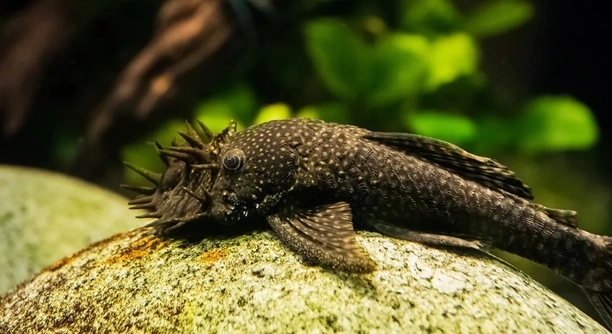
Have you ever watched your pleco glide to the front of the tank right before feeding time and wondered what that means? These behaviors can feel intentional, making many fish owners question what their fish truly understand.
Plecos can recognize feeding schedules through environmental cues and routine conditioning. Repeated exposure to consistent feeding times allows them to anticipate meals, demonstrating learned behavior and a basic level of associative recognition influenced by time-based stimuli.
Understanding this behavior offers insight into how plecos adapt to their environment and respond to consistency in care. Let’s explore what this means for their well-being and feeding habits.
Recognizing Patterns Through Routine
Plecos are creatures of habit, and their behaviors often reflect consistent patterns. When feeding occurs at the same time each day, many plecos begin to associate specific environmental cues—such as light changes, tank movement, or sounds—with feeding time. Over time, these cues can condition a pleco to expect food, prompting them to swim toward the front of the tank or become more active. This learned behavior is similar to how other animals respond to repeated schedules. Although plecos don’t tell time like humans do, their internal rhythms can be shaped by external consistency, especially when it involves food. Establishing a regular routine helps the pleco feel secure in its environment, which in turn supports better health. Their ability to link daily actions to outcomes, like feeding, shows that they can form basic associations and patterns. This behavior is subtle but meaningful, showing how plecos adapt and respond to predictability.
Their actions are not random. A pleco waiting near the surface or filter might be responding to familiar feeding triggers.
This behavior becomes more noticeable in tanks with a stable environment. When light, feeding times, and care routines are consistent, plecos learn to anticipate and react. Owners often notice increased activity as feeding time approaches.
The Role of Senses in Feeding Response
Plecos rely heavily on their senses, especially smell and touch, to recognize feeding opportunities.
While plecos may not have the same visual memory as some other fish, their sensory systems are strong enough to recognize changes that signal feeding. Their barbels and taste-sensitive skin help detect even the slightest traces of food in the water. When paired with a routine, these senses strengthen their feeding response. If a pleco hears the lid opening or feels the vibration of pellets hitting the water, it may swim out from hiding. These actions are not just instinct—they can also be responses to learned experiences. Some plecos will even begin cleaning surfaces more actively just before a known feeding time. This behavior supports the idea that feeding routines, over time, influence their sensory awareness. A consistent approach to feeding not only builds trust between the owner and the fish, but it also creates an environment where the pleco feels secure. This makes for a healthier and more active tank.
Behavioral Changes Around Feeding Time
A pleco may show subtle behavior changes as feeding time nears. You might notice it leaving its usual hiding spots more often or moving with greater purpose. These actions often suggest anticipation based on routine.
Consistent feeding can create a behavioral pattern in plecos that is easy to recognize once established. Some become more visible, swimming along the glass or hanging near the top of the tank. These changes usually occur within the same time frame each day, showing a clear connection between environment and learned behavior. While plecos are generally shy and prefer hiding, a regular feeding routine can gradually shift their comfort level. They start appearing more confident around feeding time. This kind of predictability in behavior supports the idea that plecos recognize and respond to their schedules in a meaningful way. Observation over time helps owners pick up on these subtle cues.
Feeding anticipation can sometimes lead to an increase in cleaning behavior. Plecos may start scraping algae or sifting through substrate with more energy. This is likely a natural way of preparing for food, mimicking their scavenging instincts. These behaviors show a clear connection between their instincts and what they’ve learned from a consistent feeding routine. Over time, it becomes easier to notice.
The Importance of Consistency
Maintaining a steady feeding routine can help regulate your pleco’s digestion and promote overall well-being. Irregular feeding, on the other hand, may cause stress or confusion, which can affect appetite and behavior over time.
Plecos benefit greatly from consistent care. Their natural instincts are tied to survival patterns that rely on dependable food sources. When feeding is unpredictable, their internal rhythm can become disrupted, leading to stress or reduced activity. A regular schedule helps maintain a healthy tank environment by supporting stable biological rhythms. It also reduces aggressive or erratic behavior during feeding periods. Owners who maintain a structured feeding time often report more responsive and active plecos. This structure also makes it easier to monitor changes in appetite or health, since any deviation becomes immediately noticeable. Plecos may not understand time the way we do, but their bodies respond to regularity. Creating a routine is simple and supports long-term health.
Environmental Cues Matter
Changes in light, movement near the tank, or even sound can signal to a pleco that food is coming. These cues become familiar over time, helping the fish associate them with feeding.
Many plecos begin responding to repeated cues like the tank lid opening or water vibrations. They react to patterns more than time.
Simple Ways to Support Recognition
Stick to the same feeding schedule each day. Use consistent lighting and avoid unnecessary changes to the tank environment. If possible, feed at the same spot in the tank. Over time, this creates recognizable patterns for your pleco. Keeping things predictable helps the fish feel secure and respond better to feeding. Small changes like moving too quickly or feeding late can disrupt this learned behavior. Watch for signs of recognition, such as increased movement or surfacing. These are subtle but real indicators that your pleco understands the pattern. Regular habits lead to better feeding responses and less stress overall.
Signs Your Pleco Recognizes Feeding Time
Look for increased movement, surfacing behavior, or the pleco leaving its hiding spots. These signs usually happen right before the scheduled feeding.
FAQ
Can plecos recognize their owners?
Plecos, like many fish, have the ability to recognize their environment and associate it with specific activities, such as feeding. While they don’t form bonds in the same way humans or some animals do, they can associate a person with food and may swim to the front of the tank when they see you. This behavior shows they are familiar with their caretakers and the routine. However, this recognition is based more on conditioning rather than emotional attachment.
How do I train my pleco to follow a feeding schedule?
Training a pleco to follow a feeding schedule involves consistency. Feed your pleco at the same time and place every day. Over time, your pleco will begin to associate specific cues (such as the sound of food being dropped into the tank) with feeding. It’s important to stick to a routine, as irregular feeding times might confuse your pleco and reduce their feeding response. Additionally, avoid overfeeding, as this can disrupt their schedule and cause unhealthy behavior patterns.
What should I do if my pleco stops responding to the feeding schedule?
If your pleco stops responding to the feeding schedule, there might be a few reasons. First, check the water quality—poor water conditions can cause stress, leading to loss of appetite or behavioral changes. Ensure the tank temperature is stable and that there are no new sources of stress. It’s also worth noting that plecos are nocturnal and may become less active during the day. If the feeding schedule is consistent but your pleco is still unresponsive, consider reducing the feeding frequency or changing the food type to stimulate their interest.
How can I tell if my pleco is hungry?
A hungry pleco may show increased activity or swim to the front of the tank as feeding time approaches. They might also start grazing on algae or other surfaces if food is not provided. Plecos are bottom-dwelling fish, and they tend to explore their surroundings in search of food. Increased movement near the tank’s surface or filter area can indicate hunger, particularly if it’s close to the time you usually feed them.
Can plecos overeat?
Yes, plecos can overeat, especially if food is offered too frequently or in excess. Overfeeding can lead to poor water quality, as uneaten food decays and pollutes the tank. It also contributes to obesity in plecos, which can cause long-term health problems like fatty liver disease. To avoid overfeeding, feed your pleco once or twice a day with only as much food as they can consume within 2-3 minutes. Always remove any leftover food to maintain a clean tank.
Do plecos need a varied diet?
While plecos are primarily herbivores, their diet can benefit from variety. They enjoy algae-based foods, such as algae wafers, but also benefit from occasional supplements like blanched vegetables (e.g., zucchini, spinach, or cucumber) and protein sources like shrimp or worms. A varied diet supports their health, providing necessary nutrients for growth and activity. However, avoid feeding too many high-protein foods, as this can lead to digestive issues. Keep their diet balanced, and introduce new foods gradually to see what they enjoy the most.
Why is my pleco not eating the food I provide?
If your pleco is not eating the food you offer, there may be several reasons. Water quality is the most common culprit—ensure the water is clean, the temperature is ideal, and there’s no stress from aggressive tankmates. Also, consider the type of food you’re offering. Some plecos are pickier than others, and they may prefer certain textures or flavors. Experiment with different foods, such as algae wafers, vegetables, or live foods, to see what appeals to your pleco. If your pleco still refuses to eat, check for signs of illness or a stressful environment.
How long can plecos go without food?
Plecos can go without food for a few days, especially if they have access to algae or other natural food sources in the tank. However, it’s not recommended to extend fasting periods regularly. In the wild, plecos graze throughout the day, but in captivity, a regular feeding schedule is important for their health. If you plan to leave your pleco for an extended period, consider using an automatic feeder or ask a friend to feed them in your absence.
What happens if I feed my pleco too much?
Feeding too much can cause several problems for your pleco and tank. Excess food leads to water pollution as it decays, which can affect both your pleco’s health and the water quality in the tank. Overfeeding can also cause bloating, digestive problems, and even obesity. If your pleco becomes overweight, it can suffer from long-term health issues, including reduced mobility and organ strain. Stick to a feeding schedule and avoid giving more food than your pleco can consume in a short amount of time.
Final Thoughts
Establishing a consistent feeding schedule for your pleco can significantly improve their behavior and overall well-being. Just like any pet, plecos benefit from routine. Feeding them at the same time each day helps them recognize when to expect food, which in turn reduces stress and increases their comfort. They may even begin to anticipate feeding time, showing subtle signs of recognition. While plecos are relatively low-maintenance, a regular feeding routine allows them to thrive by providing both structure and stability.
Consistency is key in ensuring that your pleco remains healthy. As with any fish, a healthy environment is essential. Regular water changes, a balanced diet, and appropriate tank conditions are important for promoting a thriving pleco. When these factors are combined with a consistent feeding schedule, it creates a sense of safety and routine that benefits both the pleco and the owner. If you notice your pleco becoming less active or losing interest in food, it may be a sign to assess water quality or make adjustments to their diet.
Ultimately, your pleco’s response to feeding time is a clear indicator of their health and comfort. By maintaining a feeding schedule and observing their behavior, you can ensure they are getting the nourishment they need. It’s important to keep their environment stable, avoid overfeeding, and be mindful of their specific dietary needs. With a little attention to detail and consistency, you can foster a healthy and happy pleco that thrives in your care.

Hello,
If you enjoy the content that we create, please consider saying a "Thank You!" by leaving a tip.
Every little bit helps us continue crafting quality advice that supports the health, happiness, and well-being of pets around the world, for pets of all shapes, sizes, and species.
We really appreciate the kindness and support that you show us!