
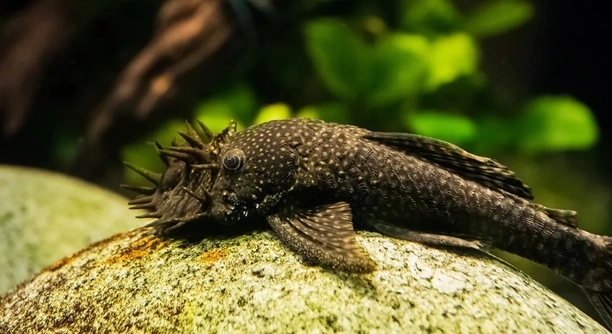
Plecos are popular aquarium fish, often chosen for their algae-eating abilities. Many fish keepers wonder if these creatures can thrive in tanks without a filter. It’s important to understand their needs for proper care.
Plecos are not well-suited to live in an unfiltered tank. Without proper filtration, water quality can quickly decline, leading to harmful toxins and poor oxygen levels. This can cause health problems for the pleco over time.
Understanding the limitations of an unfiltered tank can help you create a healthier environment for your pleco. Let’s explore the key factors that influence their well-being in such conditions.
The Importance of Filtration for Plecos
Plecos are sensitive to water quality, and without a filter, maintaining it can be very difficult. Fish tanks without filters rely on manual maintenance to keep the water clean, but this can be challenging. Plecos are bottom dwellers that produce a lot of waste, which can quickly dirty the tank. In an unfiltered environment, harmful substances like ammonia and nitrites can build up, posing a serious threat to the fish. Over time, poor water quality leads to stress, weakened immunity, and potentially fatal diseases for your pleco.
Maintaining clean water without a filter requires regular water changes, often more frequent than in filtered tanks. This can be time-consuming and requires constant attention to avoid water deterioration.
Although plecos are hardy fish, their health and longevity depend heavily on stable, clean water. Without proper filtration, it’s very difficult to provide them with the ideal environment for thriving. Filters not only remove waste but also help oxygenate the water, benefiting your pleco’s overall well-being.
What Happens Without a Filter?
While filters are the most reliable solution, there are ways to manage an unfiltered tank, but it requires dedication.
An unfiltered tank relies on natural processes to maintain water balance. However, without a filter to remove waste, it’s essential to monitor ammonia and nitrite levels closely. Regular water testing can help you keep track of these dangerous substances. To prevent these toxins from building up, regular water changes are a must. A pleco can survive in an unfiltered tank, but you need to stay on top of maintenance. If you miss water changes or don’t clean the tank properly, your pleco could face health problems, including fin rot, cloudy eyes, or even death.
The Role of Water Changes
In an unfiltered tank, water changes are crucial for keeping things clean. Without a filter to remove waste and toxins, regular water changes prevent harmful substances from building up. This is the main way to maintain water quality.
Changing 25-50% of the water every week is recommended, but this varies depending on the size of your tank and number of fish. It’s important to make sure the new water matches the temperature and pH of the tank water to avoid stressing the pleco. Additionally, vacuuming the substrate during water changes helps remove waste that’s settled on the bottom.
Water changes can be time-consuming, but they are essential for keeping your pleco healthy. In an unfiltered tank, the more often you change the water, the better. Without this, ammonia and other toxic substances will quickly accumulate, affecting not just your pleco, but all the creatures in the tank. If you neglect regular water changes, your pleco will likely show signs of stress, like sluggishness and loss of appetite.
Adding Natural Filtration
In some cases, you can add natural filtration methods to support the tank. Live plants, for example, help absorb excess nutrients and can assist in maintaining water quality. Adding plants like Java moss or Anubias can create a more balanced environment. These plants absorb carbon dioxide and excess nutrients, helping to prevent algae overgrowth.
While plants alone cannot replace a filter, they can play a key role in stabilizing water conditions. The roots of certain plants also help to trap waste and prevent it from becoming toxic. Combining plants with regular water changes creates a more manageable environment. It’s not as effective as a filter, but it’s a helpful addition to support your pleco’s health in an unfiltered tank.
Pleco Tankmates in an Unfiltered Tank
When keeping plecos in an unfiltered tank, careful consideration is needed for tankmates. Fish that produce a lot of waste will only worsen water quality. It’s best to choose peaceful, low-waste species to avoid putting extra strain on the tank’s balance.
Community fish like tetras, guppies, or other small species are ideal for an unfiltered tank with a pleco. These fish don’t produce a lot of waste and won’t overload the water with toxins. It’s important to avoid larger or more active fish that can stir up debris. Keeping the tank’s population low helps maintain water quality.
Substrate Choice for Unfiltered Tanks
The right substrate is vital when you’re not using a filter. Gravel or sand works well to prevent waste buildup in an unfiltered tank. However, avoid substrates that trap debris, as it can degrade water quality.
Fine gravel or sand allows waste to settle on top, making it easier to remove during regular cleanings. Avoid using very fine substrates that can trap too much debris, making it harder to vacuum and clean the tank. Regular maintenance is still key to preventing toxins from building up.
FAQ
Can plecos live in a tank without a filter?
Plecos can survive in an unfiltered tank, but it’s not ideal for their long-term health. Without a filter, water quality deteriorates quickly due to waste buildup, which can lead to dangerous levels of toxins like ammonia. Plecos, being bottom dwellers, produce a lot of waste that can pollute the water rapidly. Without proper filtration, you’ll need to change the water frequently and maintain a strict cleaning routine to prevent harm. It’s best to have a filter if you want to keep your pleco healthy in the long run.
What is the best filtration system for a pleco tank?
For a pleco tank, a strong, reliable filter is necessary. A canister filter is often the best choice because it provides strong filtration and can handle the waste produced by plecos. Canister filters have larger filtration media and allow for higher water flow, which is crucial for keeping the tank clean. Hang-on-back (HOB) filters are also a good option but may need to be cleaned more often due to the pleco’s waste production. Sponge filters can be used for smaller tanks, but they do not offer as much filtration power. Choose a filter that can handle the tank’s size and the bio-load produced by the pleco.
How often should I clean an unfiltered pleco tank?
In an unfiltered tank, you should clean it at least once a week. This involves removing any uneaten food, vacuuming the substrate, and changing 25-50% of the water. The more often you clean, the better, as plecos produce a lot of waste that can degrade water quality quickly. It’s also important to monitor water parameters, like ammonia, nitrite, and nitrate levels, and ensure they stay within safe ranges. If the tank is heavily stocked, you might need to clean it more often.
What water conditions do plecos need in an unfiltered tank?
Plecos thrive in stable water conditions. In an unfiltered tank, maintaining these conditions can be more challenging. Plecos generally prefer a pH between 6.5 and 7.5 and a water temperature between 72°F and 82°F (22°C to 28°C). You’ll need to ensure that ammonia and nitrite levels are kept at zero and nitrate levels are below 20 ppm. Regular water testing is crucial in an unfiltered tank to make sure the water quality remains safe. Use a water conditioner to remove chlorine or chloramine from tap water before adding it to the tank.
Can plecos survive without a filter if I use live plants?
Live plants can help improve water quality by absorbing excess nutrients, but they cannot replace the filtration system. Plants like Java moss or Anubias help absorb carbon dioxide and other nutrients that could otherwise cause algae blooms or pollute the water. However, without regular water changes and proper maintenance, even with plants, toxins like ammonia will build up. While plants can certainly support the tank’s ecosystem, they are not enough to ensure the pleco’s health in the absence of a filter.
What types of plecos are best for unfiltered tanks?
While plecos in general are not well-suited for unfiltered tanks, some species are more adaptable to lower-maintenance setups. The bristlenose pleco, for example, is smaller and produces less waste compared to larger species like the common pleco. This makes them a bit easier to manage in unfiltered tanks. However, even bristlenose plecos still require regular water changes and good tank maintenance to thrive. Avoid larger pleco species that require more space and produce more waste.
Can plecos be overfed in an unfiltered tank?
Yes, plecos can definitely be overfed in an unfiltered tank. Overfeeding leads to uneaten food decomposing, further deteriorating the water quality. Plecos are bottom feeders and will eat algae and leftover food, but if you feed them too much, it will create extra waste that your tank’s ecosystem may not be able to handle. It’s essential to only feed them as much as they can consume in a few hours and remove any excess food. This helps keep the water cleaner and reduces the chances of harmful toxins building up.
How can I monitor water quality in an unfiltered tank?
In an unfiltered tank, monitoring water quality is vital to prevent toxic buildups. You’ll need to regularly test the water for ammonia, nitrites, and nitrates, which are indicators of poor water quality. Invest in a good water testing kit and check these parameters at least once a week. Ammonia and nitrites should be at zero, while nitrates should be kept under 20 ppm. Additionally, observe the tank for cloudy water, foul smells, or visible signs of stress in your pleco, which could be signs of poor water quality.
Do plecos need aeration in an unfiltered tank?
Yes, plecos do benefit from aeration, especially in an unfiltered tank. In an unfiltered tank, oxygen levels can drop because there’s no filtration to create water movement. Aeration helps by increasing water movement and promoting oxygen exchange. A simple air pump with an air stone can provide the necessary oxygenation for your pleco, ensuring they have enough oxygen to thrive. Proper aeration also helps reduce the buildup of harmful gases, keeping the tank environment healthier overall.
Final Thoughts
Keeping a pleco in an unfiltered tank is possible, but it comes with challenges. Plecos produce a lot of waste, and without a filter, water quality can decline quickly. The main concern is that harmful toxins like ammonia and nitrites can build up, which can harm your pleco and other fish in the tank. Regular water changes and proper maintenance are essential to keep the water clean and safe. However, it’s important to remember that this requires time and effort to keep up with the cleaning routine.
While an unfiltered tank might work for a short period, it’s not an ideal long-term solution for plecos. Filters are designed to remove waste and toxins, which can prevent many of the problems you’ll encounter in an unfiltered tank. For plecos to stay healthy and thrive, having a good filtration system is strongly recommended. A filter will also help oxygenate the water, which is important for plecos, especially since they live at the bottom of the tank. Without proper filtration, even with regular water changes, the water quality will still be difficult to maintain over time.
If you are determined to keep a pleco in an unfiltered tank, remember that regular care is key. Choosing the right pleco species, limiting tankmates, and using natural filtration methods like live plants can help, but they aren’t substitutes for a filter. Consistently testing the water quality, performing water changes, and monitoring your pleco’s health are necessary steps to ensure it survives. However, for the best results and to ensure the long-term health of your pleco, investing in a filtration system will save you time, effort, and stress in the long run.

Hello,
If you enjoy the content that we create, please consider saying a "Thank You!" by leaving a tip.
Every little bit helps us continue crafting quality advice that supports the health, happiness, and well-being of pets around the world, for pets of all shapes, sizes, and species.
We really appreciate the kindness and support that you show us!