
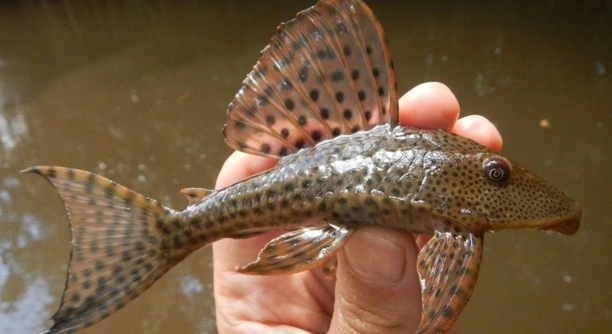
A 10-gallon tank might seem like a cozy home for a pleco, but the space needed for their growth and well-being could be more than you expect. Knowing the requirements for their habitat is crucial.
Plecos are typically too large and active for a 10-gallon tank. They require ample swimming space, and many species can grow over a foot long. A 20-gallon tank or larger is recommended to meet their space and filtration needs.
Considering these factors will help ensure a comfortable environment for your pleco, supporting its health and growth over time.
The Space Requirements of a Pleco
Plecos are active fish, and their need for space extends beyond just swimming room. They also require areas to hide, graze, and explore. In a 10-gallon tank, they can easily feel cramped, which may lead to stress. Additionally, plecos are bottom dwellers and often seek shelter in caves or plants. A 10-gallon tank doesn’t offer enough space for these behaviors, causing a decline in their well-being.
To meet a pleco’s needs, it is recommended to provide a tank of at least 20 gallons. This size allows for proper filtration and the space needed for a pleco to thrive. A larger tank ensures better water quality, a more stable environment, and a happy, healthy pleco. Without proper space, a pleco might develop health problems or have difficulty growing to its full size.
In addition to size, the tank must be equipped with suitable hiding spots, such as caves or driftwood. This ensures the pleco feels secure and can rest. It’s crucial to replicate their natural habitat to support their health.
Tank Maintenance for Plecos
Tank maintenance is another important aspect to consider. A 10-gallon tank requires frequent water changes to maintain healthy water parameters. With a pleco, this becomes even more critical. Plecos produce a lot of waste, so filtration systems need to be efficient to keep water clean and prevent harmful bacteria from growing.
Proper filtration and regular maintenance prevent the water from becoming polluted, ensuring your pleco remains healthy. Cleaning the tank often, checking water conditions, and monitoring pH levels will help avoid the buildup of toxins. In a 10-gallon tank, managing these factors can be overwhelming and may lead to water quality problems.
Investing in a good filtration system that can handle the needs of a larger tank will make a noticeable difference in your pleco’s environment. Using a filter rated for tanks larger than 10 gallons will help maintain cleanliness and water flow, both important for the health of your pleco.
Pleco Behavior in Smaller Tanks
Plecos are naturally curious and need plenty of room to explore. In a smaller tank, their movements are restricted, which can cause stress. They may become more territorial and aggressive, especially if they feel crowded. This could lead to behavioral problems like hiding more frequently or being less active.
A lack of space also affects their ability to forage. Plecos enjoy grazing on algae and plants, but in a small tank, they don’t have the freedom to do this as naturally. When confined, they might also begin to overeat or become more prone to stress-related health issues, such as fin rot or skin infections.
Plecos often need areas to swim and explore, and a 10-gallon tank doesn’t provide that freedom. The lack of space can prevent them from displaying natural behaviors, which can negatively impact their overall health and happiness. A larger tank can reduce stress and provide a more comfortable environment.
The Importance of Tankmates
Tankmates can make a significant difference in your pleco’s well-being. Some species of plecos can be quite territorial, so choosing compatible tankmates is essential. Smaller, non-aggressive fish tend to be the best choice, as they won’t compete for space or resources.
When selecting tankmates, consider their size and activity level. Too many active or large fish in a small tank can create competition for space and oxygen. For a pleco, it’s best to choose species that are peaceful and won’t overcrowd the tank. Aggressive or territorial fish can increase stress and affect the pleco’s health.
It’s important to create a peaceful environment. Avoid overcrowding, and make sure the tankmates are suitable for the pleco’s size and temperament. Having a few non-aggressive fish will not only provide companionship but also create a more balanced and harmonious tank.
Filtration and Water Quality
Maintaining clean water is crucial for a pleco’s health. A 10-gallon tank can quickly become polluted with waste, making efficient filtration essential. Plecos are waste producers, so the tank needs a filter that can handle a higher bioload.
Without proper filtration, water quality will deteriorate quickly. In a smaller tank, this becomes harder to manage, as plecos require a lot of oxygen, and their waste can lead to high levels of ammonia or nitrates. The water should be filtered regularly, with frequent water changes, to avoid harmful conditions that could stress the pleco.
Investing in a good filter is key to keeping the water clean and the pleco healthy. A larger tank will make it easier to maintain water quality, allowing for better filtration and reducing the chance of water-related health issues.
Lighting and Temperature
Plecos need stable water temperature and proper lighting to thrive. A 10-gallon tank may make it more difficult to regulate these conditions. Too much light can stress the pleco, and unstable temperatures can affect their metabolism and overall health.
Proper lighting helps with algae growth, which is essential for plecos that graze. Consistent, moderate lighting is ideal. Temperature should remain steady within a range of 74-80°F (23-27°C). Using a reliable heater and light timer will help maintain these conditions and avoid temperature fluctuations.
Pleco Size and Growth
As plecos grow, their space needs increase. While small when first introduced to the tank, they can quickly outgrow a 10-gallon setup. Some species can reach up to 18 inches, making it impossible to maintain them in a small space for long.
Ensuring they have room to grow not only prevents stress but also promotes their overall health. A 10-gallon tank cannot accommodate the size and activity level of a full-grown pleco, making it an inadequate option in the long term. You should plan for a larger tank as your pleco matures.
FAQ
Can a pleco survive in a 10-gallon tank?
A pleco can survive in a 10-gallon tank for a short period, but it’s not ideal in the long run. As plecos grow, their space needs increase. They require a lot of room to swim, hide, and forage. A 10-gallon tank will quickly become too small as your pleco matures. In general, a 20-gallon or larger tank is recommended to accommodate their size and active nature.
What type of pleco is best for a 10-gallon tank?
Smaller species of plecos, like the bristlenose pleco, may be suitable for a 10-gallon tank, but only for a limited time. These plecos grow to a more manageable size and are less demanding in terms of space. However, even small plecos need adequate hiding spots and clean water to thrive. It’s important to ensure your pleco has enough room to live comfortably.
How often should I change the water in a 10-gallon tank with a pleco?
Water changes in a 10-gallon tank should be done at least once a week, especially with a pleco. Since they produce a significant amount of waste, regular water changes help maintain clean water quality. Partial water changes of around 25-30% are ideal to remove excess nutrients and waste. This will help prevent harmful ammonia and nitrate buildup.
Can plecos live with other fish in a 10-gallon tank?
While plecos can live with other peaceful fish, a 10-gallon tank is not ideal for multiple fish species. The limited space increases the likelihood of overcrowding and competition for resources. If you do choose to add tankmates, opt for small, peaceful species. Overcrowding will lead to stress and may negatively affect the health of the pleco and other fish.
What should I feed my pleco in a 10-gallon tank?
Plecos are primarily herbivores, feeding on algae and plant matter. In a 10-gallon tank, you can supplement their diet with algae wafers, blanched vegetables (like zucchini or spinach), and occasional pieces of fruit. Providing a varied diet will help keep your pleco healthy and active. Ensure you remove any uneaten food to prevent water pollution.
Do plecos need a heater in a 10-gallon tank?
Yes, plecos need stable water temperatures to thrive. A 10-gallon tank should be equipped with a reliable heater to maintain a water temperature between 74°F and 80°F (23°C – 27°C). Sudden temperature fluctuations can cause stress, so it’s important to monitor and regulate the temperature regularly.
How fast do plecos grow in a 10-gallon tank?
Plecos can grow quickly, especially in larger tanks with better filtration. In a 10-gallon tank, their growth may be somewhat stunted due to space limitations, but they will still grow to an average size of 4-6 inches within the first year. Eventually, the tank will become too small, and their growth will be constrained if the pleco is kept in that size.
What are the signs that my pleco is stressed in a 10-gallon tank?
Signs of stress in a pleco include hiding more often, loss of appetite, and a decrease in activity levels. Stress can also manifest in physical changes, such as damaged fins or discoloration. If your pleco exhibits these signs, it may be due to inadequate space, poor water quality, or incompatible tankmates. A larger tank, better filtration, and more hiding spots will help alleviate stress.
Is a 10-gallon tank big enough for a baby pleco?
A 10-gallon tank can house a baby pleco for a short time, but it won’t be suitable as the pleco grows. Young plecos are small, and they can be kept in a 10-gallon tank during their early stages of life, but within a year, they will need a larger tank to accommodate their increasing size and activity.
Do plecos require a lot of oxygen in a 10-gallon tank?
Yes, plecos require well-oxygenated water. They tend to stay near the bottom, where oxygen levels may be lower, so it’s essential to provide strong filtration and water movement to ensure proper oxygenation. In a 10-gallon tank, this can be more difficult to manage, and the pleco may struggle to get enough oxygen. A larger tank with better filtration will help maintain proper oxygen levels for your pleco.
Can I keep a pleco in a 10-gallon tank with a filter?
While a filter is essential for maintaining clean water, a 10-gallon tank is still too small for most plecos in the long term. Even with a filter, plecos will outgrow the tank, and it may not provide the necessary space for them to swim or thrive. Proper filtration is important for maintaining water quality, but the size of the tank is just as crucial for the pleco’s well-being.
How do I provide hiding spots for a pleco in a 10-gallon tank?
Plecos need hiding spots to feel secure. In a 10-gallon tank, you can use decorations like caves, driftwood, or plants to provide hiding places. However, these hiding spots should not take up too much of the available space, as plecos also need room to swim and forage. Ensure that there are enough hiding spots without overcrowding the tank.
Can a pleco live in a tank with no plants?
Plecos do better in tanks with plants, as they can graze on algae and hide among the foliage. However, a pleco can survive in a tank without plants, but you will need to provide them with alternative food sources like algae wafers and blanched vegetables. Without plants, it is essential to keep their diet varied and nutritious.
Do plecos need light in a 10-gallon tank?
Yes, plecos benefit from moderate lighting, as it helps with algae growth, which is part of their natural diet. A 10-gallon tank can be lit with an aquarium light, but avoid excessive lighting as it can cause stress or encourage algae overgrowth. A regular light cycle, 10-12 hours of light and dark, works best for plecos.
Final Thoughts
A 10-gallon tank can work for a pleco in the short term, but it is not ideal for the long term. Plecos grow quickly and need ample space to thrive. As they mature, a 10-gallon tank becomes too small, and keeping them in such a confined space can cause stress and health issues. While small pleco species like the bristlenose pleco may be able to live in a 10-gallon tank for a time, their growth will eventually outpace the tank’s capacity. For the long-term well-being of your pleco, a larger tank will be necessary.
Water quality and filtration are critical for plecos, and a 10-gallon tank can quickly become polluted, making regular water changes essential. Plecos are waste producers, and a small tank with inadequate filtration can lead to ammonia and nitrate buildup, which can be harmful. It is important to invest in a good filter, maintain proper water parameters, and perform regular water changes to prevent these issues. A larger tank will allow for better filtration and make it easier to keep the water clean and stable, which is vital for the pleco’s health.
In conclusion, while a pleco can live in a 10-gallon tank temporarily, it is not the ideal environment for them. As they grow, they will need more space, clean water, and proper care to remain healthy. A larger tank with a good filtration system will provide the space and conditions necessary for your pleco to thrive. If you are planning on keeping a pleco long term, consider upgrading to a larger tank that meets their needs. This will not only benefit the pleco’s health but also make it easier for you to maintain the tank.

Hello,
If you enjoy the content that we create, please consider saying a "Thank You!" by leaving a tip.
Every little bit helps us continue crafting quality advice that supports the health, happiness, and well-being of pets around the world, for pets of all shapes, sizes, and species.
We really appreciate the kindness and support that you show us!