
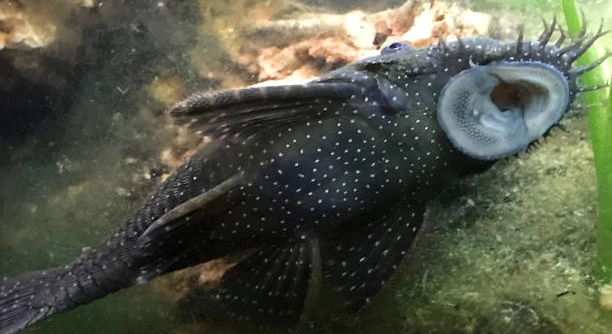
Plecos are popular freshwater fish, known for their algae-eating habits and peaceful nature. Many aquarium owners wonder if a pleco can thrive without aeration in their tank. It’s important to explore this question for the well-being of the fish.
While plecos can survive in tanks without aeration, they require optimal water conditions to stay healthy. Without proper water circulation, oxygen levels may drop, affecting the pleco’s overall health and causing stress. Regular water changes are essential.
Understanding the factors that contribute to your pleco’s well-being, like water quality and tank conditions, is crucial. Ensuring they thrive in their environment can help you create the perfect home for them.
The Role of Oxygen in a Pleco’s Environment
Plecos, like all fish, rely on oxygen to stay healthy. In an aquarium, aeration helps increase the oxygen levels in the water. Without it, oxygen can become limited, especially in smaller tanks or tanks with poor water flow. When oxygen levels drop, plecos may become stressed, stop eating, or even struggle to breathe. Their gills work harder to take in oxygen, which can affect their overall well-being. To keep your pleco comfortable, it’s crucial to ensure the tank has good water movement, which can be achieved with a filter or air pump.
Even though plecos are hardy fish, they still need a stable environment to thrive. Without adequate aeration, waste buildup can also cause a drop in water quality, further stressing the fish. Maintaining clean, oxygen-rich water helps prevent health problems, ensuring the pleco stays active and well.
Some plecos adapt well to low oxygen levels if the tank has proper filtration. However, regular water changes are essential to ensure water quality stays high.
Alternative Ways to Keep Water Clean
While aeration is beneficial, some aquarists use efficient filtration systems instead. Filtration can help circulate water and improve oxygen levels without adding extra equipment. A well-maintained filter can remove waste, preventing the buildup of harmful substances in the water. Regular maintenance is key to this method, ensuring the filter works effectively.
Many pleco owners rely on strong filtration systems to keep their tanks clean. This method works well, as long as the filter is strong enough to handle the tank size. An efficient filter can mimic the effects of aeration, providing your pleco with the oxygen it needs.
Water Quality and Regular Maintenance
Water quality plays a significant role in the health of your pleco. Stagnant or dirty water can cause a drop in oxygen levels, leading to stress. Regular water changes are necessary to keep the environment stable. Testing the water for ammonia, nitrite, and nitrate levels is also a good practice.
Changing 25-30% of the water every week will help maintain a healthy environment. Use a water conditioner to remove chlorine or chloramine before adding fresh water. You should also vacuum the substrate to remove waste and leftover food, as it can lead to poor water quality. Keeping the tank clean reduces the chance of harmful bacteria or parasites affecting your pleco.
It’s essential to check water parameters regularly, especially if you don’t have aeration or a powerful filter. A consistent routine for maintenance will help you ensure the tank is a safe space for your pleco.
The Importance of Tank Size
Tank size directly impacts the water quality and overall health of your pleco. A larger tank allows more water volume, which helps maintain oxygen levels even without aeration. Smaller tanks can quickly become overloaded, leading to a decrease in water quality.
Plecos grow quite large, so providing them with an adequately sized tank will ensure they have enough space to swim and avoid stress. In smaller tanks, waste and debris can accumulate faster, causing oxygen levels to drop. If you plan to keep a pleco, opt for a tank that’s at least 30 gallons. The more water you provide, the easier it is to maintain a stable environment.
Additionally, a larger tank supports a better filtration system, further aiding in water circulation and oxygenation. It’s not just about size; proper filtration is key. Without a filter or aeration system, you will need to invest more time in cleaning and maintenance.
Tankmates and Their Impact
The presence of other fish can affect the oxygen levels in the tank. Aggressive or fast-moving fish may disturb the water, reducing the overall oxygen levels available to the pleco. Choosing peaceful tankmates will help avoid stress for both the pleco and other fish.
Plecos generally do well with other non-aggressive fish, but tankmates that are too active can cause unnecessary disturbances in the water. This can create poor conditions for the pleco, particularly in smaller tanks. Carefully selecting tankmates that share similar needs will ensure everyone thrives without causing too much disruption.
Pleco’s Feeding Habits
Plecos are bottom feeders and spend a lot of time scavenging the tank for leftover food. This habit can affect the water quality, especially if there is excess food in the tank. Uneaten food can decompose and deplete oxygen levels.
Feeding the pleco in moderation can help reduce waste buildup. Overfeeding is a common mistake that can lead to water quality problems. Remove any uneaten food after a few hours to prevent it from polluting the water. Regular cleaning of the substrate and decorations also ensures that food doesn’t sit around and decay, affecting oxygenation.
FAQ
Can a pleco survive without an air pump?
Yes, plecos can survive without an air pump, but the quality of the water is more important. They need sufficient oxygen, which can be maintained through good filtration or regular water changes. A powerful filter can simulate the effects of an air pump by promoting water movement and aeration. If you choose not to use an air pump, ensure your tank has proper circulation and clean water.
What is the minimum tank size for a pleco?
The minimum tank size for a pleco is generally considered to be 30 gallons. While plecos are small when young, they can grow to large sizes depending on the species, sometimes exceeding 12 inches in length. A tank smaller than 30 gallons may not provide enough space for the pleco to thrive, especially as it matures.
How often should I change the water in a tank with a pleco?
In a tank with a pleco, it is recommended to change 25-30% of the water every week. This ensures that waste, debris, and excess food are removed, keeping the water quality high. If you don’t have an air pump or powerful filtration, more frequent water changes may be necessary to maintain oxygen levels and overall health.
Do plecos need a filter if there is no aeration?
Yes, plecos do need a filter if there is no aeration system. While aeration provides a direct way to increase oxygen, a filter also helps with water movement and oxygenation, as well as removing waste. Without a filter or aeration, the water can quickly become stagnant and oxygen levels can drop, stressing the pleco.
Can a pleco live with other fish?
Plecos are generally peaceful and can live with many other species of fish. They are bottom-dwelling fish, meaning they tend to stay away from other fish that occupy higher levels of the tank. However, aggressive or fast-moving fish may stress the pleco, so it’s best to choose compatible tankmates that won’t disturb the water too much.
Are plecos sensitive to water conditions?
Yes, plecos are sensitive to water conditions, particularly when it comes to temperature, pH, and ammonia levels. They need stable conditions to stay healthy. Sudden changes in water quality can cause stress, leading to weakened immune systems and potential health problems. Regular water testing and maintenance are essential to keeping your pleco happy.
How can I tell if my pleco is stressed?
A stressed pleco may exhibit signs such as reduced appetite, unusual hiding behavior, rapid gill movement, or lethargy. If the pleco is often staying in one spot or swimming erratically, it could be a sign of water quality issues or incompatible tank conditions. Checking the water parameters and adjusting them if necessary can help reduce stress.
How long do plecos live?
Plecos can live for many years, with the average lifespan ranging from 10 to 15 years, depending on the species. Proper care, including maintaining water quality and offering a balanced diet, can help extend their lifespan. In ideal conditions, some species of plecos have been known to live even longer.
Can plecos eat algae wafers only?
Algae wafers can form a part of a pleco’s diet, but they shouldn’t be the only food offered. Plecos are omnivores and require a varied diet that includes vegetables, fruits, and protein sources such as shrimp or fish pellets. Feeding only algae wafers may result in nutritional imbalances, so it’s important to offer a range of foods.
What is the best temperature for a pleco tank?
Plecos typically do well in water temperatures ranging from 72°F to 78°F (22°C to 25°C). It’s important to maintain a consistent temperature within this range, as drastic changes can cause stress. A reliable aquarium heater can help regulate the temperature, especially in cooler environments.
Can I use a pleco to control algae in my tank?
While plecos can help control algae growth by eating it, relying solely on them for algae control is not advisable. Algae growth can sometimes become too much for a pleco to handle, and they may not be able to keep up with large algae blooms. Regular tank cleaning and proper lighting control are essential to manage algae effectively.
How big can a pleco get?
Depending on the species, a pleco can grow anywhere from 6 inches to over 24 inches. Common species like the Bristlenose Pleco usually stay smaller, around 4-6 inches, while other varieties like the Royal Pleco can grow much larger. When choosing a pleco, consider how large the species gets to ensure you have an appropriately sized tank.
Do plecos need a lot of hiding spots?
Yes, plecos benefit from having hiding spots in their tank. They are nocturnal creatures and prefer to have places where they can rest during the day. Providing caves or decorations such as driftwood will help create a comfortable environment for your pleco. These hiding spots also reduce stress by giving the pleco a sense of security.
Is it okay to keep multiple plecos in one tank?
It is possible to keep multiple plecos in one tank, but the tank must be large enough to accommodate them. Plecos can be territorial, especially when it comes to feeding or resting spots. If you plan to keep multiple plecos, ensure the tank is spacious enough to prevent aggression. Also, make sure they have plenty of hiding spaces and territories.
What should I feed my pleco?
Plecos need a balanced diet that includes algae wafers, vegetables like zucchini or cucumber, and protein-rich foods like shrimp or fish pellets. Avoid overfeeding, as excess food can lead to poor water quality and health issues. Regularly remove any uneaten food from the tank to maintain water clarity and reduce waste buildup.
Final Thoughts
Caring for a pleco involves understanding its needs for oxygen, space, and a suitable environment. While a pleco can survive without an air pump, it is important to ensure that the water is properly filtered and the tank is large enough to accommodate its size as it grows. A healthy pleco requires more than just basic care; water quality, temperature, and tankmates all play a role in its overall well-being. Regular water changes, a balanced diet, and monitoring of the tank’s conditions are necessary to keep your pleco happy and thriving.
Plecos can make great additions to your tank, as long as you create an environment that suits them. They are generally peaceful, bottom-dwelling fish that get along well with other non-aggressive species. However, they need proper care, including the right tank size and compatible tankmates. If you plan on adding a pleco to your aquarium, ensure that you can meet its needs for space, oxygen, and water quality. By providing the right conditions, you will be able to enjoy the beauty and benefits of having a pleco in your tank for many years.
Ultimately, a pleco’s survival and health depend on consistent maintenance and attention to its environment. While they may not need aeration systems, they still require clean water with adequate oxygen levels. Regular maintenance, proper feeding, and careful monitoring will ensure that your pleco remains healthy. Whether or not you use an air pump, creating a stable, well-filtered tank with appropriate conditions will keep your pleco comfortable and stress-free.

Hello,
If you enjoy the content that we create, please consider saying a "Thank You!" by leaving a tip.
Every little bit helps us continue crafting quality advice that supports the health, happiness, and well-being of pets around the world, for pets of all shapes, sizes, and species.
We really appreciate the kindness and support that you show us!