
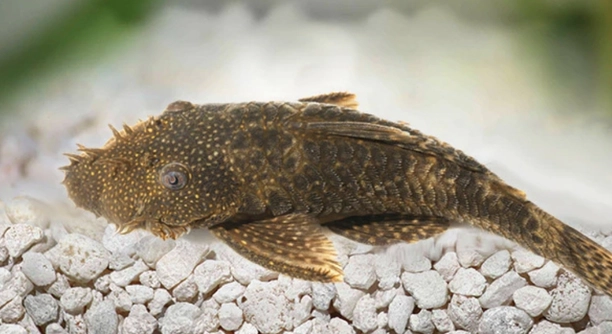
Tank decorations can enhance the look of your aquarium, but they can also pose risks to your pleco. It’s important to understand how these items could potentially cause harm to your fish.
Sharp or rough edges on tank decor can injure a pleco’s delicate skin or fins. Even small scratches can lead to infections if not promptly treated. Additionally, improper placement or large objects may cause physical stress or accidental harm.
Knowing how to prevent injuries from tank decor ensures your pleco stays safe and healthy. Keeping your tank environment secure is key to a stress-free experience for your fish.
Potential Tank Decor Hazards
Aquarium decorations can pose hidden risks to your pleco, especially if they have rough or sharp surfaces. Plecos are bottom dwellers that often move along the substrate and rocks, which can cause abrasions on their delicate bodies. Even a small cut can lead to infections if not addressed quickly. Similarly, sharp decorations can tear the fins of plecos, leading to more severe injuries that may affect their mobility or health.
When placing decorations, it’s essential to ensure that they are smooth and free from rough edges. Objects like rocks or driftwood should be checked regularly to avoid any accidental damage. Avoid using items with pointed ends, as they could cause cuts or bruises to your pleco.
Tank decorations also impact the pleco’s environment by limiting its space to swim or hide. Overcrowding the tank with large objects reduces the pleco’s ability to move freely, causing unnecessary stress. Stress can lower their immune system and make them more vulnerable to diseases. For a healthy and thriving pleco, creating a comfortable and safe environment is crucial.
Choosing the Right Decor for Your Pleco
Decor plays a key role in the comfort of your pleco. Choosing smooth, rounded decorations reduces the chances of injury. When purchasing tank items, consider materials such as slate or soft, smooth stones that will not harm your fish.
The layout should also allow your pleco to hide comfortably. Plecos are nocturnal and prefer having spots where they can retreat during the day. Without these hiding places, they may feel stressed and exposed. Provide some plants, rocks, or caves for them to take refuge in.
Maintaining a clean and organized tank environment reduces the risk of injury. Regularly inspect decorations for sharp edges or loose pieces that could harm your pleco. Simple adjustments can make a significant difference in keeping your pleco safe.
Sharp Edges on Decorations
Sharp edges on decorations can easily cut your pleco. If the edges are jagged, even a small scrape can become infected, causing discomfort and long-term harm. Regularly checking your tank for sharp spots is important to prevent injuries.
Decor items like rocks or plastic plants should be thoroughly inspected before adding them to the tank. Smooth, natural items are much safer for your pleco. If you find any sharp edges, file them down or replace the item. Ensuring that there are no points of contact that could harm your pleco will create a safer environment.
Pay close attention to decorations that plecos interact with often, such as caves or driftwood. They might not always notice the danger until it’s too late. Carefully handling these items can help reduce injury risk. It’s better to be cautious than to risk harm to your pleco by using poorly maintained or hazardous decor.
Stress From Overcrowded Decorations
Too many decorations in the tank can cause stress for your pleco. They need space to swim and hide without constantly feeling cramped or restricted. Overcrowding the tank can make them feel trapped and lead to stress-related health issues.
When choosing decorations, prioritize open swimming space. Plecos need room to move freely to remain active and healthy. Avoid placing large, bulky items that cover too much of the tank’s floor. Instead, go for a more minimalistic approach with a few strategically placed pieces that create safe hiding spots. Overcrowded tanks can also limit oxygen flow, which is crucial for your pleco’s well-being.
Less is often more in an aquarium. By ensuring your pleco has enough space to roam and hide, you’ll help reduce stress. A spacious, well-organized tank allows for a better quality of life for your pleco, minimizing the chance of injury or illness.
Risk of Falling Objects
Large decorations or improperly secured items can fall, causing injury to your pleco. This can happen during cleaning or due to shifts in the substrate. Always check that everything is securely placed in the tank to avoid accidents.
Heavy objects like rocks or decorations should be carefully placed to prevent them from tipping over. If they’re not stable, they can fall and harm your pleco, potentially causing serious injuries. Securely positioning items not only prevents accidents but also keeps your tank environment safe.
Decorations That Trap Waste
Some decorations can trap uneaten food or waste. This creates a buildup of debris that can negatively affect water quality. Over time, poor water conditions can stress your pleco and lead to health issues.
Choosing decorations with open spaces or smooth surfaces helps reduce waste buildup. Regularly cleaning and maintaining the tank also prevents dirt and excess food from accumulating in hard-to-reach places. This will keep the water clean and improve your pleco’s environment, reducing the risk of bacterial infections or poor water quality.
Tank Decor for Better Hiding Spaces
Plecos thrive when they have access to hiding spaces. Caves, hollow logs, or plant roots provide them with safe retreats from tank mates and the light. Ensuring these hiding spots are available helps maintain your pleco’s comfort and reduces stress.
Hiding spaces are essential for plecos, especially since they are nocturnal and prefer darker areas during the day. You can create these spots by adding driftwood, caves, or dense plants. This will give your pleco a peaceful environment where it can rest undisturbed.
FAQ
Can plecos get injured from sharp decorations?
Yes, sharp decorations can easily injure your pleco. Plecos often scrape against rocks or decorations while they search for food or explore the tank. Jagged edges can cause cuts or scratches on their sensitive skin, leading to infections if not treated. To avoid injury, always inspect decorations before placing them in the tank. Look for any sharp, jagged edges that could potentially harm your fish. Smooth surfaces are much safer and should be prioritized.
How can I prevent injuries caused by tank decor?
To prevent injuries, ensure that all decorations in the tank are smooth and free of sharp edges. Choose decorations made from natural materials, such as smooth stones, driftwood, and plants, which are gentler on your pleco’s skin and fins. Regularly inspect decorations for wear and tear, and replace or fix any that show signs of damage. Additionally, avoid placing items with sharp points or rough textures in the pleco’s regular swimming path to further minimize risk.
Can overcrowded tank decor stress out my pleco?
Yes, overcrowded tank decor can cause significant stress for your pleco. Plecos need ample space to swim and hide. When there are too many objects in the tank, it limits their freedom to move around, leading to anxiety. It’s important to maintain a balance between decor and open space. Give your pleco room to roam, and create hiding spots with plants or caves. This will allow your pleco to feel safe and less stressed, promoting a healthier environment.
How often should I clean tank decorations?
Tank decorations should be cleaned regularly to prevent the buildup of algae, waste, or food particles. How often you clean them depends on your tank’s water quality and how fast algae grows. Typically, cleaning every 1–2 weeks is recommended. You can use a soft brush or sponge to gently scrub decorations. Avoid using harsh chemicals or soaps that could harm your pleco. Regular cleaning ensures that your tank remains a safe and healthy environment for your fish.
Are plastic decorations safe for plecos?
Plastic decorations can be safe for plecos if they don’t have sharp edges or small parts that can be swallowed. However, some plecos may nibble on plastic items, and if the decorations are poorly made, this can lead to ingestion of plastic pieces. It’s important to inspect plastic decorations before use. Ensure that they are sturdy and free of any loose parts. Natural, softer materials like driftwood are often a safer alternative for plecos.
What type of decorations are best for plecos?
The best decorations for plecos are natural and smooth materials. Driftwood, rocks, and caves that provide hiding spaces are ideal. These types of decor mimic the pleco’s natural habitat and help them feel secure. Avoid decorations with sharp edges, small openings, or dangerous materials that could harm your pleco. Additionally, live plants can enhance the environment and offer a natural hiding spot for plecos, encouraging them to behave more naturally.
Can plecos injure themselves on plants?
While plants generally pose less of a risk to plecos compared to sharp decorations, there is still a chance of injury if the plant has tough or spiky leaves. Soft plants like java fern or moss are safe and can provide hiding places. Be cautious with plants that have sharp edges, such as some species of anubias, as these may potentially cause damage to your pleco’s skin or fins. Always inspect the plants for potential hazards before introducing them to the tank.
How can I tell if my pleco is stressed from tank decor?
Stressed plecos may display behaviors such as hiding more frequently, losing their appetite, or swimming erratically. They might also show signs of physical distress, like faded coloring or damaged fins. If your pleco seems unusually stressed, check the tank decor to ensure it isn’t overcrowded, and make sure there are safe, comfortable hiding spots. Reduce the number of decorations if needed and make sure your pleco has enough space to swim freely.
What should I do if my pleco is injured from tank decor?
If your pleco is injured, it’s important to act quickly to prevent infection. First, remove the pleco from the tank and place it in a separate quarantine tank with clean water. Check the injury closely. If the injury is severe, consider consulting a vet or fish specialist. For minor injuries, you can add aquarium salt to the water to help with healing and reduce the risk of infection. Keep the water clean and at an appropriate temperature to support recovery.
Can plecos get injured from tank decorations during cleaning?
Yes, it’s possible for plecos to get injured during tank cleaning. When you move or remove decorations, there’s a risk of disturbing your pleco or causing it to bump into sharp edges. To minimize this risk, move decorations slowly and gently. It’s also a good idea to clean the tank when the pleco is hiding, avoiding disturbance to the fish. After cleaning, inspect the tank to ensure no sharp edges or hazards remain in place.
How do I choose the right size of tank decor for my pleco?
When choosing tank decor, consider the size of your pleco and the available space in your tank. Large, bulky decorations can take up too much room, leaving your pleco with little space to swim. Select decorations that fit comfortably in your tank without crowding the pleco’s living space. As your pleco grows, you may need to update your tank decor to ensure there is enough space for it to move freely. Keep the pleco’s natural behavior in mind when selecting new items.
Final Thoughts
Tank decor can be a double-edged sword for plecos. While decorations like rocks, driftwood, and plants help create a more natural and enriching environment for them, improper or poorly chosen decor can lead to injury or stress. Plecos are active creatures that love to explore their surroundings, but their sensitive skin and fins make them vulnerable to rough or sharp-edged items. Choosing smooth, secure, and appropriately sized decorations is key to providing a safe environment for your pleco.
Additionally, the placement and maintenance of decorations are crucial factors to keep in mind. Overcrowded tanks can stress plecos, limiting their swimming space and access to hiding spots. It’s important to strike a balance between offering enough decor for stimulation and maintaining open areas for swimming. Regular cleaning is just as important as choosing the right decorations. Debris and waste can easily build up around or under decorations, impacting water quality and the health of your pleco. By keeping both the decor and water conditions in check, you help ensure your pleco’s long-term health and happiness.
Ultimately, creating a safe and comfortable environment for your pleco doesn’t require a lot of complex or expensive items. Simple decorations like smooth rocks, soft plants, and caves can go a long way in providing the proper habitat. Pay attention to the condition of your decorations, and regularly check for any signs of damage that might create hazards for your pleco. By taking these steps, you can ensure your pleco enjoys a healthy and stress-free life in your aquarium.

Hello,
If you enjoy the content that we create, please consider saying a "Thank You!" by leaving a tip.
Every little bit helps us continue crafting quality advice that supports the health, happiness, and well-being of pets around the world, for pets of all shapes, sizes, and species.
We really appreciate the kindness and support that you show us!