
Do you ever find yourself rearranging your tank only to notice your decorations looking worn or damaged not long after?
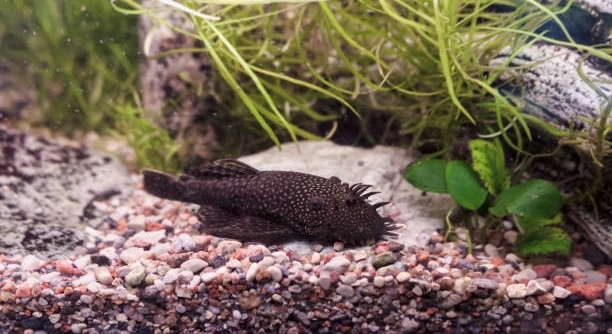
Plecos can damage aquarium decorations through their natural behavior, including constant grazing, suction, and burrowing. These actions may scratch painted surfaces, move lightweight items, or cause wear to delicate structures in the tank.
Learning more about their habits can help you choose tank decor that lasts and keeps both your pleco and aquarium looking their best.
Why Plecos Can Be Rough on Decorations
Plecos are known for their constant grazing and suction-based feeding habits. They use their mouths to latch onto surfaces and scrape off algae, which can lead to wear on certain decorations. Painted or coated items are especially vulnerable, as the pleco’s scraping can cause flaking or fading. Lighter structures like plastic plants or small resin pieces may be moved or even tipped over as they explore. If your pleco is large, the damage may be more noticeable, especially with delicate or lightweight decor. Their digging behavior can also disrupt setups with sand or gravel bases.
If you’ve seen your tank looking a little less tidy after a cleaning session, your pleco might be the reason.
Choosing the right decorations is important if you want your tank to stay visually appealing while keeping your pleco comfortable. Focus on sturdy, smooth-surfaced items without loose paint or delicate features. Natural driftwood, ceramic caves, and large stones work well. Avoid sharp edges or lightweight plastics that may get dislodged. Always consider the size and behavior of your pleco when setting up your tank. If the fish tends to burrow or rest under objects, make sure those items are secure and won’t collapse. A well-chosen layout can keep things safer and more durable over time.
What You Can Use Instead
Look for strong, non-coated materials that can handle repeated contact without showing damage.
Slate, unglazed ceramic, and solid driftwood make good choices for plecos. These materials are sturdy and don’t flake easily. Larger rocks can anchor down lighter items, while smooth surfaces help prevent scratches or paint loss. Avoid resin items that are hollow or have thin coatings, as they wear down over time. Using natural elements not only prevents damage but also offers a more stable environment for the pleco. These fish often enjoy resting on broad surfaces or hiding under secure spots. Keep everything weighed down properly to avoid rearrangement. With the right materials, your setup can last longer and stay safer. A stable tank means fewer changes and less disruption for your pleco. Always check items regularly and remove anything showing wear or sharp edges. This keeps your fish safe while also keeping your tank neat and functional.
How to Spot Decoration Damage
Look for paint chipping, faded color, or pieces that seem loose or out of place. Lighter decorations may shift, while others may show surface scratches or rough spots where the pleco has grazed repeatedly.
If your decorations start to look dull or stripped of paint, your pleco might be the reason. Repeated suction and movement can leave visible marks, especially on colored resin items or plastic plants. Decorations that were once secure might be knocked over or moved across the substrate. Even natural items like driftwood can show signs of wear, though they typically hold up better. Check for sharp edges forming due to damage, as they can harm your pleco or other fish. Watching closely during feeding or cleaning can help confirm if your pleco is the cause of the changes. Regular observation makes it easier to catch early signs before the damage worsens.
Always inspect decorations during routine cleanings. Remove anything that’s flaking or becoming unstable. If paint is peeling or small pieces are coming loose, it’s best to take it out of the tank. Replace with safer materials that can handle grazing and burrowing. Prevention is easier than dealing with damaged décor later. Avoid risky items to keep your tank both safe and tidy.
Safe Cleaning Methods for Decor
Avoid harsh chemicals or soaps, as these can leave residues that harm your fish. Use warm water, a clean brush, or a soft cloth to gently scrub the surfaces and remove algae buildup.
If the decorations are showing signs of algae or grime, soak them in a bucket of tank water and gently clean with a soft brush. For tougher buildup, you can use a separate bucket with a diluted vinegar solution, rinse thoroughly, then soak again in clean water. Avoid anything with bleach or soap—even in small amounts—as it can stay trapped in porous surfaces. For natural items like driftwood or stone, brushing under running water is usually enough. Keep an eye out for cracks or flaking paint while cleaning. If anything looks like it’s breaking down, replace it before it becomes a hazard. Proper cleaning helps keep both your pleco and your tank healthier.
When to Replace Aquarium Decorations
If a decoration is flaking, cracked, or growing sharp edges, it’s time to remove it. These changes not only affect how the tank looks but can also harm your pleco or other fish.
Decor that becomes unstable or too lightweight should also be replaced. If your pleco keeps shifting it around or if it no longer stays in place, it’s no longer practical.
Choosing the Right Decor Size and Weight
Heavier and larger decorations work best with plecos, especially if they like to rest on or push against things. Pick items that won’t easily shift with movement or suction. Broad, solid pieces give your pleco safe areas to graze and rest. Avoid small items that can be moved or flipped over. Large rocks, ceramic caves, and thick driftwood can stay anchored and provide shelter without risking collapse. Decorations that rest flat on the substrate are more stable than upright pieces with a narrow base. If needed, weigh things down using aquarium-safe stones. Always test stability before placing items into the tank.
Final Tip for Decoration Safety
Stick with natural or aquarium-safe materials and check each piece during every tank cleaning to avoid future problems.
FAQ
Can plecos damage plants in the aquarium?
Yes, plecos can sometimes damage plants, especially soft-leaved varieties. Their constant grazing and suction can uproot or tear plants as they search for algae or other food. It’s best to choose hardier, tougher plants like Java fern, Anubias, or moss. These plants can tolerate a pleco’s behavior better and won’t be damaged as easily.
How can I prevent plecos from damaging my decorations?
One way to prevent damage is by selecting durable, non-coated decorations. Avoid anything with thin layers of paint or soft materials that can easily get scratched or worn down. Larger, heavier items are also less likely to be moved or damaged by the pleco. Regularly check for wear and tear and replace items that show signs of damage.
What types of decorations are best for a pleco tank?
The best decorations for plecos are made from natural materials like unglazed ceramic, driftwood, and large rocks. These materials withstand grazing and digging better than plastic or painted items. Plecos often enjoy resting on smooth surfaces, so large stones or ceramic caves can provide good hiding spots.
Can a pleco eat through plastic plants?
Yes, plecos are known to chew on plastic plants, especially if they have algae or biofilm on them. This behavior can result in damage to the plants, leaving them torn or worn. Using harder materials, such as silk plants or real plants, may help reduce the damage.
Is driftwood safe for plecos?
Driftwood is generally safe for plecos and can even be beneficial. It provides a natural environment for them to explore and graze on. However, it’s essential to ensure the driftwood is aquarium-safe and properly cleaned before placing it in the tank. Over time, driftwood may leach tannins into the water, which can slightly stain it but is typically harmless to fish.
Can plecos break glass aquarium decorations?
It’s unlikely that a pleco would break glass decorations unless they are already fragile or thin. However, their suction behavior may cause minor scratches to glass surfaces if the decorations are too close to the tank walls. Be mindful of where glass decorations are placed, ensuring they are secure and won’t be bumped or shifted.
How often should I check my aquarium decorations for damage?
You should check your decorations during each cleaning session to ensure they remain in good condition. Inspect for any signs of wear, such as flaking paint, cracks, or instability. Any decoration showing damage should be removed to avoid harming your pleco or other tank inhabitants.
Can plecos live with other fish without damaging decorations?
Plecos can generally live peacefully with other fish, but their behavior may still cause some minor damage to decorations. Larger, peaceful fish typically won’t interfere with the pleco’s habitat, while more aggressive fish might stress the pleco. As long as decorations are secure, they should be safe from most tank mates.
Are resin decorations safe for plecos?
Resin decorations are often used in aquariums, but they can be prone to wear from plecos, especially if they are painted or have intricate details. Resin that’s hollow or has thin coatings may be more easily damaged by the pleco’s behavior. If you prefer resin items, ensure they are sturdy and free of sharp edges.
Do plecos need hiding spots in the aquarium?
Yes, plecos appreciate hiding spots where they can rest or feel secure. Caves, rocks, or pieces of driftwood that provide sheltered areas are ideal. These hiding spots allow the pleco to retreat when feeling threatened or during the day when they prefer to rest.
Can plecos live in a tank with delicate decorations?
It’s not recommended to keep plecos in a tank with delicate decorations, especially those made from thin, fragile materials. Plecos’ suction feeding and grazing behavior can damage or dislodge these items. Choose more robust, sturdy decorations to avoid problems and ensure your tank setup remains secure.
Do plecos need a lot of space to thrive?
Yes, plecos grow quite large and require ample space to thrive. A 75-gallon tank or larger is recommended for adult plecos, particularly species like the common pleco. Providing enough space helps reduce stress and allows for proper growth, which can also minimize damage to decorations caused by excessive movement in confined spaces.
Can plecos damage sand or gravel in the tank?
While plecos primarily graze on surfaces, their digging behavior can shift or disrupt sand and gravel. They may also move these materials around while searching for food or creating resting spots. However, this behavior generally doesn’t lead to significant damage to the substrate itself. If the sand or gravel is too loose, it might get displaced, affecting the appearance of the tank.
Final Thoughts
Maintaining a healthy aquarium requires more than just providing the right water conditions. Choosing the right decorations is crucial to ensuring the well-being of your pleco and other tank inhabitants. As plecos are naturally active and tend to graze on surfaces, decorations can easily become damaged over time. It’s essential to select durable, stable items that can withstand this behavior. Large, solid decorations made from materials like ceramic, driftwood, or natural stones are ideal for plecos. These materials not only survive plecos’ activities but also provide the fish with hiding spots and areas to rest.
Regularly checking your aquarium decorations for damage is another key aspect of tank maintenance. Even if your decorations appear sturdy, over time, wear and tear can affect their condition. Flaking paint, cracks, or sharp edges can create hazards for both your pleco and other fish. It’s a good practice to inspect decorations during each cleaning session and replace anything that is deteriorating. This helps avoid any risks of injuries or further damage to the tank setup. Keeping decorations secure and in good shape ensures that the tank environment remains safe and pleasant for your pleco.
Ultimately, the goal is to create a stable, secure environment for your pleco while keeping the tank visually appealing. By using appropriate decorations and maintaining them regularly, you can prevent unnecessary damage and promote the health of your pleco and other fish. Remember, it’s better to choose solid, natural materials over delicate or flimsy decorations. With proper care and attention to the setup, your pleco can live a happy, healthy life without causing unnecessary damage to your aquarium decorations.

Hello,
If you enjoy the content that we create, please consider saying a "Thank You!" by leaving a tip.
Every little bit helps us continue crafting quality advice that supports the health, happiness, and well-being of pets around the world, for pets of all shapes, sizes, and species.
We really appreciate the kindness and support that you show us!