
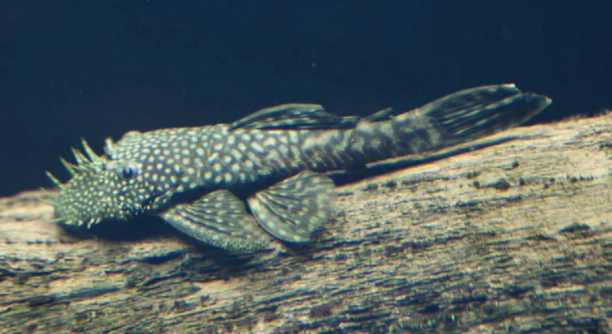
Is your pleco acting a bit wild around your aquarium gear, making you wonder if it’s causing any damage to the setup?
Plecos can break heaters and filters, especially if the equipment is unsecured or made from fragile materials. Their size, strength, and suctioning behavior can knock things over, crack components, or clog intakes if precautions aren’t taken.
Understanding how to safely manage your pleco’s environment can help protect both your fish and your aquarium equipment.
How Plecos Interact with Heaters and Filters
Plecos are strong, active bottom-dwellers, and their behavior can sometimes cause issues in an aquarium. They use their suction mouths to latch onto surfaces, including heaters and filter intakes. When plecos grow large, their movements become more forceful. If a heater is poorly secured or has fragile casing, a pleco may knock it loose or even crack it. Similarly, they can block filter intakes or pull on tubing, especially if curious or stressed. This behavior isn’t aggressive—it’s just how they explore. Still, it can create problems for the overall setup. Always check the stability and material of your equipment when housing larger plecos, particularly common or sailfin varieties. Sturdier gear helps avoid unexpected damage. External canister filters or well-covered internal filters tend to hold up better. Glass heaters are most vulnerable, so consider switching to shatterproof models. Taking these small steps makes a noticeable difference in long-term aquarium safety.
A pleco doesn’t intentionally break equipment, but its size and behavior can lead to accidental damage if your setup isn’t secure.
Monitoring your pleco’s activity helps spot early signs of trouble. Look for signs like frequent heater movement, noise from filters, or cloudy water caused by filter disruption.
How to Prevent Equipment Damage
Anchor all heaters and filters firmly to the tank, and use strong suction cups or brackets that hold up well over time.
Choose aquarium equipment designed for larger or more active fish. Shatterproof heaters, mesh filter guards, and heavy-duty tubing offer better protection in pleco tanks. If you use a heater inside the tank, place it behind decor or rocks where the pleco is less likely to access it. You can also install an external inline heater for extra safety. For filters, consider those with intake covers or guards, as plecos can easily wedge themselves into openings. Avoid placing equipment too close to areas where the pleco rests or feeds, since this increases the chance of contact. It also helps to rearrange the tank layout so that equipment is slightly hidden or out of common travel paths. A stable and thoughtfully organized tank keeps both your pleco and your gear in better condition, while also reducing the chances of stress or injury.
Signs Your Pleco Might Be Causing Damage
If you notice your heater shifting positions or filter output weakening, your pleco may be interfering. Sudden heater cracks, buzzing noises, or a drop in water quality are signs something is off.
Check for scratch marks or scuffing on heater surfaces. Watch how your pleco interacts with different parts of the tank. If it frequently suctions onto the heater or lingers around the filter intake, it could be disrupting equipment. You might also see loose tubing, dislodged filter components, or air trapped in the intake line. These issues are easier to spot during routine tank checks, especially after feeding when the pleco is more active. If the heater light isn’t turning on properly or water temperature seems inconsistent, that could also point to accidental damage caused by rough contact. Regular observation goes a long way in preventing these small problems from turning into larger repairs.
Another sign is cloudy or murky water. When a pleco disrupts the filter intake, it can slow down circulation or clog up flow. Reduced filtration causes particles to remain suspended in the tank, which not only looks unpleasant but can stress other fish. It can also lead to algae growth or spikes in ammonia and nitrite levels. If your water suddenly seems less clear or test strips show changes, it’s worth checking both your equipment and the pleco’s behavior. In some cases, the filter motor may start making a low rattling sound or even stop working altogether. These signs don’t always mean the pleco is to blame, but they’re good indicators that something in your tank setup needs adjusting. Staying on top of changes helps avoid long-term equipment failures.
Best Equipment Choices for Pleco Tanks
Plecos need tanks with durable equipment. Use shatterproof heaters or consider external ones if your pleco is large. For filters, pick strong intake guards and place everything securely to reduce movement and contact.
Stick to gear designed for larger or active fish species. Titanium heaters or ones with protective covers are better than standard glass models. If your tank allows, consider an inline heater that connects to an external canister filter. This keeps the heater completely out of reach. For filtration, sponge pre-filters over the intake prevent plecos from blocking water flow and protect their fins from being pulled into strong currents. Use secure clips or brackets to anchor filter tubing and heater cords, so they don’t move when bumped. Placing some hardscape or decor between your pleco and the equipment also adds a layer of protection. Small adjustments like these help extend the life of your gear and maintain a safer tank setup overall.
What to Do If Damage Has Already Happened
Unplug the damaged heater or filter right away to prevent further harm. Remove it carefully and check for cracks, leaks, or electrical issues before replacing it with something more durable.
Perform a partial water change if the filter has stopped working or water looks cloudy. Monitor your fish closely for stress.
How to Set Up a Pleco-Safe Tank
Start with a spacious tank and sturdy decorations. Plecos grow large and need room to explore without knocking things over. Use decor with broad bases that won’t tip easily. Place heaters behind barriers like rocks or driftwood, and secure filters with strong suction cups or clamps. Keep cords and tubing tucked away or clipped to the tank wall. Avoid lightweight plastic plants or ornaments that can shift when bumped. Stick to smooth surfaces that won’t scrape your pleco’s skin. Test all equipment placement by gently pushing on it to see if it holds up. A stable setup keeps both your pleco and your gear safe.
Do Pleco Species Matter?
Yes, some pleco species stay small and are less likely to cause problems. Common and sailfin plecos grow large and need extra care with equipment placement.
FAQ
Can plecos really break heaters?
Yes, especially large plecos like common or sailfin types. When they latch onto heaters or push them around, they can cause the glass to crack or break. This is more likely to happen with standard glass heaters that aren’t protected. Some plecos are very strong and active, and they can accidentally dislodge or knock over poorly placed equipment. Using a heater guard or switching to a shatterproof heater helps prevent accidents. Always make sure your heater is securely placed and not resting loosely where it can move.
Do plecos damage filters too?
They can. Plecos often rest near or on filter intakes, which can block the flow. Some plecos try to wedge themselves into tight areas, and in doing so, they may move parts of the filter or even disconnect tubing. Filters with exposed intake fans or loose parts are especially vulnerable. Using pre-filter sponges on the intake and securing all connections with clips or ties can reduce the risk. Also, place your filter in a spot that’s harder for the pleco to reach or rest on for long periods.
How can I keep my pleco away from the heater?
One of the easiest ways is to create a barrier with decor. Use rocks, driftwood, or resin caves to block off the area around the heater. Just make sure there’s still room for water to circulate. You can also place the heater horizontally near the bottom of the tank, tucked behind heavy decorations. If you’re using a glass heater, add a plastic guard over it. For larger plecos, consider switching to an inline or external heater so they can’t access it at all.
Do certain plecos behave more aggressively with equipment?
Some species are more active or territorial, especially as they grow. Common plecos, sailfins, and even royal plecos can become pushy as they get bigger. Smaller species like bristlenose plecos are usually gentler and less likely to interfere with equipment. That said, any pleco can cause issues if space is tight or the setup isn’t secure. Watch your pleco’s behavior and make changes to the tank as needed. It helps to know the species you’re keeping and plan for their adult size.
Will a pleco get hurt from breaking a heater?
Yes, and it can be serious. A cracked heater can leak electricity or release glass shards into the tank. This can burn, shock, or cut your pleco. If you ever notice a broken heater, unplug it immediately and remove it carefully. Check your pleco for injuries like red spots, burns, or fin damage. Replace the heater with something safer, and consider adjusting the tank layout to prevent it from happening again.
Can I use a heater without a guard if I have a pleco?
It’s not recommended. Even smaller plecos can cause trouble by sucking onto the heater or rubbing against it. A guard adds a layer of safety and helps protect both the heater and your fish. Some heaters come with built-in guards, or you can buy a separate one that fits over your current model. If you’re using a bare heater, it’s better to make the switch before damage occurs.
Is filter damage easy to fix?
It depends on the problem. If the tubing is loose or a part gets knocked off, you can usually fix it quickly. But if the motor gets damaged or the intake fan stops working, you might need to replace the filter. Always keep spare parts or at least a backup sponge filter on hand. That way, if your main filter goes down, you can keep your tank stable while you repair or replace it.
What’s the best filter setup for a pleco tank?
A canister filter is a strong choice. It stays outside the tank, and most of its parts are out of reach. Use a sponge pre-filter on the intake inside the tank to keep things safe. If you use a hang-on-back filter, secure it tightly and make sure the intake tube is firm and steady. Adding zip ties or clips to loose parts can help. Stability is key with plecos, especially as they grow and move things around more.
Can decorations help reduce damage?
Yes, and they’re actually really useful. Strategic placement of driftwood, rocks, and caves can help block access to heaters and filter intakes. Just make sure your decorations are heavy and stable. Plecos love squeezing into spaces and rubbing along surfaces, so pick smooth decor that won’t tip or scratch them. Decorations not only help protect equipment but also give plecos places to hide and feel secure.
Should I remove my pleco if it keeps causing problems?
Not necessarily. Many issues can be solved by improving your tank layout or switching to sturdier equipment. Plecos are great tank cleaners and fun to watch, but they do require some setup adjustments. If you’ve tried everything and the damage keeps happening, it might be worth considering a different pleco species that stays smaller or finding a new home for the one you have. But in most cases, a few changes are all it takes to keep things safe.
Final Thoughts
Keeping a pleco in your tank can be rewarding, but it does require a little extra planning. These fish grow larger than most people expect, and their strength can affect the equipment inside the tank. Heaters, filters, and even decorations can get moved or damaged if they’re not properly secured. Many of the problems caused by plecos aren’t due to aggression but to their size and natural behaviors. They like to rest on warm surfaces, squeeze into tight places, and explore every corner of the tank. These habits can create issues if the setup isn’t strong or safe enough. Thinking ahead before your pleco grows too big can prevent future trouble.
Choosing the right equipment helps a lot. A heater with a guard, a filter with secure tubing, and heavy decorations that won’t tip over make a big difference. Inline or external heaters are also a good option for larger tanks. Plecos don’t need much in terms of special gear, but everything inside the tank should be steady and hard to move. It’s also smart to watch how your pleco interacts with the tank over time. If you notice your fish pushing, leaning on, or hiding behind certain items, that’s a good signal that those parts may need to be reinforced. Keeping your pleco safe also protects the other fish and the stability of the tank as a whole.
In the end, plecos are strong, active fish that need a solid, well-thought-out tank. They aren’t dangerous to other equipment on purpose, but their size and behavior can cause damage if you’re not prepared. Thankfully, the solutions are simple—secure your heater, support your filter, and use safe, sturdy decor. It’s not about making big changes, just small adjustments that match your pleco’s needs. With the right setup, you can enjoy your pleco without worrying about broken heaters or disconnected filters. It only takes a little effort to keep everything running smoothly, and once your tank is secure, you’ll spend less time fixing problems and more time enjoying the fish.

Hello,
If you enjoy the content that we create, please consider saying a "Thank You!" by leaving a tip.
Every little bit helps us continue crafting quality advice that supports the health, happiness, and well-being of pets around the world, for pets of all shapes, sizes, and species.
We really appreciate the kindness and support that you show us!