
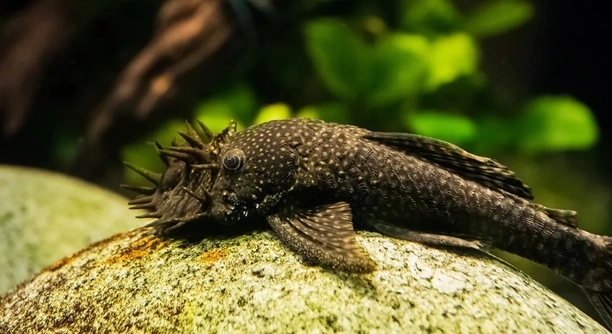
Plecos are popular aquarium fish known for their bottom-dwelling habits and algae-eating abilities. Many aquarium owners wonder if plecos can live peacefully with other bottom-dwelling fish in their tanks.
Plecos can be kept with bottom-dwelling fish, but compatibility depends on the species. Some plecos are territorial and may not get along with others, while others are more passive and can coexist well with tank mates.
Understanding the specific needs of your pleco and bottom-dwelling fish will help you create a peaceful and balanced tank environment.
What are Bottom-Dwelling Fish?
Bottom-dwelling fish are species that prefer to live near the substrate of their aquarium, usually feeding on leftover food, algae, and detritus. These fish are great at keeping your tank clean by consuming what falls to the bottom. Common examples include catfish, loaches, and certain species of gobies.
These fish are not aggressive by nature and typically enjoy a peaceful existence at the bottom of the tank. They have specialized adaptations like flattened bodies or barbels that help them search for food in the substrate. While they can coexist with many other fish, they prefer environments where they can easily access food and avoid competition.
Bottom-dwelling fish help maintain the balance of your aquarium by cleaning up what others leave behind. This can be especially useful in tanks with multiple species, as they reduce the chance of excess waste and algae growth. However, it’s important to understand their needs before adding them to your setup.
Understanding Plecos
Plecos are another type of bottom-dwelling fish, but they are slightly different from others in their habits. Most species are known for their algae-eating abilities, helping to reduce algae buildup in tanks. They can grow large, and some species are more active at night than others.
Plecos tend to be more territorial, especially as they mature. Their size and natural instincts make it essential to choose tankmates carefully. While smaller plecos might peacefully share space with other fish, larger species may assert their dominance, particularly if there isn’t enough hiding space.
Before introducing a pleco to your tank, be sure to research the specific species. Some plecos, like the common pleco, can grow over a foot long, requiring ample space and hiding spots. It’s also vital to ensure that the tank has enough food to support both plecos and any bottom-dwelling fish.
Can Plecos Live With Other Bottom-Dwelling Fish?
Yes, plecos can live with other bottom-dwelling fish, but it’s crucial to understand the temperament of each species. When it comes to bottom-dwelling fish, compatibility largely depends on the individual fish’s behavior and space within the tank. Many plecos, like the bristlenose pleco, are peaceful and don’t mind sharing space with other bottom-dwellers, as long as there’s enough room for everyone to claim their territory.
However, larger plecos, such as the common pleco, may show aggression, especially if they feel crowded or their space is threatened. These types of plecos are better suited for larger tanks with plenty of hiding spots and adequate room for movement. In these setups, the risk of conflict is reduced.
To successfully keep plecos with other bottom-dwelling fish, you should consider species with non-aggressive temperaments and a similar environmental preference. For example, loaches or small catfish species tend to get along with plecos without much trouble.
Ensuring that there’s enough space, food, and hiding spots for everyone is key to creating a peaceful environment. When selecting tankmates for plecos, look for fish that won’t compete for resources or become territorial. Proper planning can lead to a harmonious aquarium.
Tank Setup for Plecos and Bottom-Dwelling Fish
To make sure your plecos and bottom-dwelling fish live peacefully, you need to create a tank setup that suits everyone. Providing ample hiding spots and enough space is essential. Both types of fish prefer a well-maintained tank with a stable environment, so be sure to monitor water quality regularly.
Plecos and bottom-dwellers often enjoy substrates like fine gravel or sand, which allows them to sift through the material for food. Adding rocks, caves, or driftwood can also give your fish places to hide, reducing stress and preventing territorial disputes.
It’s also important to consider the size of your aquarium. A larger tank allows more room for each fish to establish their territory and find food. Ensure that your tank has a strong filtration system to handle the waste produced by these fish, as they can be heavy eaters.
Choosing Compatible Fish
When adding bottom-dwelling fish with plecos, compatibility is key. Choose species that are calm and won’t challenge your pleco’s territory. Fish like small catfish, loaches, and peaceful gobies tend to do well. Avoid overly aggressive species that might start fights.
Fish with similar dietary needs will also coexist better, as plecos primarily consume algae and leftover food. It’s best to avoid species that might compete for the same food sources, such as other algae-eating fish. Also, consider the size of both the pleco and its tankmates. A larger pleco may intimidate smaller fish.
Another factor is the activity level of the fish. Some plecos are nocturnal and prefer to be active at night, while other bottom-dwelling fish may be more active during the day. Providing both day and night hiding places will allow all species to feel safe in their territory. This way, each fish can thrive without feeling stressed.
Space and Tank Size
Tank size plays a significant role in the success of keeping plecos with other bottom-dwellers. A small tank can quickly become overcrowded, leading to aggression and stress among the fish. Plecos, especially larger species, need plenty of space to move around. A tank that’s at least 30 gallons is recommended for smaller species, while larger species may need 75 gallons or more.
A spacious environment will allow plecos to establish their territory without interfering with other fish. It also gives all fish enough room to forage and explore. Ensuring that the tank is large enough helps prevent competition for space and food.
A tank that is too small can lead to poor water quality, which affects the health of all fish. Larger tanks are easier to maintain, with better filtration systems that can handle the waste produced by bottom-dwelling fish. Consider the full adult size of all fish when determining tank size to ensure adequate space for everyone.
Plecos and Territorial Behavior
Plecos, especially larger species, can be territorial and may defend their space against other bottom-dwelling fish. They are known to stake out areas around rocks, driftwood, or caves. This can cause issues if tankmates are too close to their preferred hiding spots.
A lack of hiding spots or overcrowding in the tank can make territorial behavior worse. It’s important to give each fish its own space to retreat to when needed. Plecos also tend to be more active at night, which might make them less aggressive toward other fish during the day. This gives bottom-dwellers a chance to rest without conflict.
To avoid issues, arrange the tank with multiple hiding places, allowing fish to spread out and feel secure. This reduces the likelihood of plecos or other bottom-dwellers becoming overly territorial and fighting for space.
Food Competition
Plecos and other bottom-dwelling fish may compete for food, especially if there isn’t enough to go around. While plecos primarily feed on algae, they may also scavenge for leftovers. If other bottom-dwelling fish are looking for the same food, there may be disputes.
Providing enough food for all fish in the tank is crucial. Plecos should have their algae-based diet supplemented with sinking pellets or wafers. Other bottom-dwelling species, like catfish, may need protein-based foods. By feeding different types of food at different locations in the tank, you can help reduce competition for food.
Be mindful of each species’ dietary needs. This will ensure that every fish in the tank gets the nutrition it needs, without competing too aggressively with others.
Tank Cleaning and Maintenance
Regular tank maintenance is vital when keeping plecos with other bottom-dwelling fish. Plecos are great at cleaning algae, but they can’t clean everything. Leftover food, fish waste, and decaying plant matter can quickly accumulate. This can affect water quality and harm fish health.
Performing regular water changes and using a good filtration system is essential. You should also clean the substrate, as waste tends to settle there. Keep an eye on the tank’s parameters, such as pH, ammonia, and nitrate levels. Maintaining good water quality will help prevent stress and health issues for both plecos and other bottom-dwelling fish.
FAQ
Can plecos live with other plecos?
Plecos can live with other plecos, but it depends on the species and their temperament. Some plecos are territorial and may not tolerate other plecos in the same space. Species like the bristlenose pleco tend to be more peaceful, so they can live together if the tank is large enough. However, larger plecos, like the common pleco, may become territorial, especially as they mature. It’s important to have enough hiding spots and territories for each pleco. Also, consider the size and space requirements for each pleco to prevent overcrowding and reduce stress.
What are the best tank mates for plecos?
Plecos generally get along with peaceful, non-aggressive fish. Good tank mates include loaches, small catfish, tetras, and certain types of gouramis. These fish are generally calm and won’t interfere with the pleco’s space. It’s best to avoid species that are territorial, overly active, or aggressive, such as cichlids or larger predatory fish. When selecting tank mates, consider each fish’s size, activity level, and temperament to ensure a peaceful aquarium environment.
Can plecos and shrimp coexist?
Yes, plecos and shrimp can coexist in some cases, but it’s important to monitor the interaction. Some plecos may pick at or try to eat smaller shrimp, especially if they are hungry or if the shrimp is small enough. Shrimp like cherry shrimp or ghost shrimp are generally peaceful, but you’ll need to make sure they have plenty of hiding spots. Larger plecos, in particular, should be monitored, as their algae-eating behavior may inadvertently disrupt shrimp populations. As long as the shrimp have enough space and hiding spots, they can live peacefully with plecos.
Do plecos need to be alone in the tank?
Plecos do not necessarily need to be alone in the tank, but they should have plenty of space and hiding spots. They can live with other non-aggressive bottom-dwelling fish or peaceful tankmates. However, plecos are territorial, especially as they grow larger, so giving them enough room is important to avoid conflicts. If you have more than one pleco, ensure the tank is large enough to accommodate their space needs. A well-planned tank setup with plenty of hiding spots and territories for each fish will allow plecos to coexist with others.
How can I prevent plecos from being aggressive?
The best way to prevent plecos from becoming aggressive is by ensuring they have enough space. Overcrowded tanks lead to stress, which can increase territorial behavior. Provide plenty of hiding places such as caves, plants, and rocks to allow each pleco and other fish to claim their own territory. Additionally, maintain good water quality and regular feeding schedules. Ensure that the plecos are getting the right amount of food to avoid hunger-driven aggression. By making sure that your pleco feels secure and has enough room, you can minimize aggression.
Are plecos good for cleaning the tank?
Plecos are often referred to as “cleaning” fish because they eat algae and help control algae growth in tanks. However, they don’t clean the entire tank. Plecos will eat algae on surfaces like glass, decorations, and rocks, but they won’t remove uneaten food, fish waste, or other debris. It’s important to still maintain regular tank cleaning routines, including water changes, substrate vacuuming, and filter maintenance. Plecos can certainly help with algae control, but they shouldn’t be relied upon as the sole means of keeping the tank clean.
What size tank do plecos need?
The size of the tank you need for a pleco depends on the species. Smaller species like the bristlenose pleco can be kept in tanks as small as 30 gallons. Larger species, like the common pleco, need much larger tanks, typically at least 75 gallons, to accommodate their size and provide enough space. Always consider the adult size of your pleco before choosing a tank. A larger tank not only provides more space but also helps maintain stable water conditions, which is important for plecos’ health.
Do plecos require special water conditions?
Plecos are relatively hardy fish and can adapt to a variety of water conditions, but it’s still important to monitor the water parameters closely. Most plecos prefer slightly acidic to neutral water with a temperature between 74°F to 80°F. Regular water changes and good filtration are essential to keep the water clean. If you have specific pleco species, such as the royal pleco, they may have more specialized needs, so be sure to research their specific requirements. Keeping the water quality high will help prevent diseases and stress.
Can plecos live with bettas?
Plecos and bettas can potentially live together if the tank is large enough, but there are a few things to keep in mind. Bettas are known to be aggressive toward other fish, especially males, and may be territorial. Plecos, while generally peaceful, can still become territorial as they grow. If the tank is small or has too few hiding spots, both fish might feel stressed. Providing plenty of space and hiding places will help reduce the chances of aggression between them. Additionally, ensure that your pleco isn’t large enough to pose a threat to the betta.
What do plecos eat besides algae?
While plecos are known for eating algae, they also require a balanced diet of sinking pellets or wafers designed for herbivores or omnivores. Plecos can benefit from occasional fresh vegetables, such as zucchini, cucumber, or spinach. Some species may also eat protein-rich foods like shrimp or bloodworms. It’s important to provide a variety of food to ensure that your pleco gets all the nutrients it needs. A diverse diet will help prevent malnutrition and keep your pleco healthy and active.
Final Thoughts
Keeping plecos with other bottom-dwelling fish can be a rewarding experience, but it requires careful consideration. Plecos are often chosen for their algae-eating abilities, which help keep the tank clean. However, their size, territorial behavior, and food needs can make them challenging to house with certain tankmates. When planning your aquarium, it’s important to research the specific needs of both plecos and the other fish you wish to keep. By understanding their habits, you can create a peaceful and healthy environment where all fish can thrive.
The key to success lies in providing enough space and hiding spots for each fish. Plecos are territorial, especially as they grow, and they need places to retreat when they feel threatened. Additionally, other bottom-dwelling fish will also benefit from having their own space. Overcrowding and a lack of hiding spots can lead to stress, which may result in aggressive behavior. A larger tank with appropriate decor, such as caves, plants, and rocks, can go a long way in minimizing conflict and ensuring that all fish have their own territory.
Ultimately, the success of keeping plecos with bottom-dwelling fish depends on the specific species, their size, and their behavior. Some plecos are more passive and can live peacefully with other bottom-dwelling fish, while others may not be as tolerant. By selecting compatible species and maintaining good water quality, you can create a balanced tank that supports the needs of all the fish. Regular tank maintenance and attention to their dietary needs will also help prevent problems and keep your aquarium thriving for years to come.

Hello,
If you enjoy the content that we create, please consider saying a "Thank You!" by leaving a tip.
Every little bit helps us continue crafting quality advice that supports the health, happiness, and well-being of pets around the world, for pets of all shapes, sizes, and species.
We really appreciate the kindness and support that you show us!