
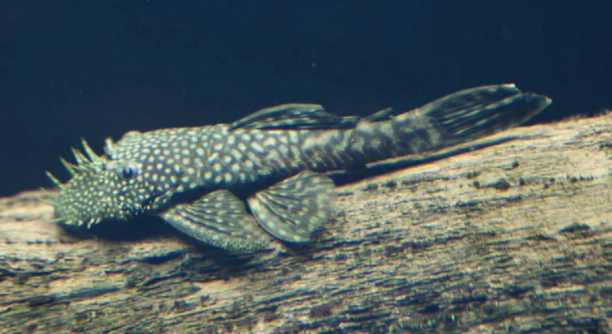
Plecos are popular fish in the aquarium world, known for their algae-eating habits and peaceful nature. Many aquarium owners consider adding a pleco to their community tank to help with tank maintenance and enhance the environment.
Plecos can generally be kept in a community tank, but they require certain conditions to thrive. They are peaceful but may become territorial. Tankmates should be selected carefully to avoid conflicts, particularly with smaller or more aggressive fish.
Understanding the balance between different fish species in a community tank can ensure the well-being of all inhabitants. Learn how to create the best environment for a pleco to thrive.
Can a Pleco Live Comfortably in a Community Tank?
When adding a pleco to a community tank, it’s important to keep in mind the space and tank conditions. Plecos grow large, and some species may require more room than others. These fish can help clean algae, but they also need plenty of hiding spots to feel secure. A pleco’s peaceful nature typically makes it a great choice for community tanks, especially when paired with non-aggressive tankmates. However, their territorial behavior can occasionally create challenges, especially when other fish encroach on their space. Having a well-planted tank with caves and hides can reduce stress for plecos and other fish in the tank.
When selecting tankmates, avoid smaller or overly aggressive fish. Plecos are bottom dwellers, often spending most of their time on the tank’s floor. While they are non-aggressive, they may nip at fish that invade their territory.
It’s important to research the specific pleco species you plan to introduce. Some species, like the common pleco, can grow quite large and require more space than others. These fish need regular access to algae or supplemental food to thrive.
Pleco Size and Tank Space Requirements
Plecos come in a variety of sizes, with some species growing over a foot long. The larger the pleco, the more space it needs to move freely. A tank size of at least 55 gallons is recommended for most plecos. Larger tanks allow plecos to establish their territories without stressing other fish. Smaller tanks can lead to overcrowding, which increases the risk of territorial disputes and overall tank stress. Make sure to have adequate space, not just for the pleco but for its tankmates too.
The size of your pleco should guide your choice in tank size. A smaller pleco may do fine in a 30-gallon tank, but larger species need a 75-gallon tank or bigger. The more space you can provide, the healthier and more peaceful your pleco will be. Smaller tanks restrict movement and can make it difficult for plecos to find their preferred hiding spots. This can cause stress, and when stressed, plecos can develop health issues.
Besides tank size, consider the type of filtration you use. Larger plecos produce more waste, so a strong filtration system is a must. Regular water changes also help maintain the water quality, ensuring a stable environment for your pleco.
Choosing Compatible Tankmates
When keeping a pleco in a community tank, it’s essential to select tankmates that won’t stress or harm it. Non-aggressive species that occupy different levels of the tank are ideal. Fish that swim in the middle or upper levels of the tank won’t compete with the pleco for space on the bottom. Avoid aggressive or overly territorial fish that may bully the pleco or fight for space.
Community tanks work best with peaceful fish such as tetras, gouramis, and other bottom-dwelling species like loaches. However, it’s best to avoid small, delicate fish that plecos may accidentally harm while foraging for food. Similarly, avoid species that could outcompete the pleco for food, especially if your pleco isn’t getting enough nutrients. Over time, malnourished plecos may become unhealthy or stressed, affecting their lifespan.
Choosing the right tankmates can help your pleco live comfortably alongside others without competition. Be mindful of the different species’ temperaments and needs when making your selection. Keep the water temperature and pH consistent, as sudden changes in these factors can cause stress for your pleco and its tankmates.
Pleco Diet in a Community Tank
Plecos are primarily algae eaters, but they need more than just algae to stay healthy. In a community tank, it’s important to supplement their diet with sinking pellets, vegetables, and occasional protein-based foods. A varied diet ensures your pleco gets the nutrients it needs to thrive.
While plecos will happily munch on algae, they can’t rely on it alone. Add vegetables like zucchini, cucumber, and sweet potato to their diet. These foods provide essential vitamins and minerals. Sinking pellets or wafers formulated for plecos are also a good addition to their regular feeding routine.
Feeding your pleco the right balance of food will help keep it healthy and active. Since plecos are bottom dwellers, ensure food sinks to the substrate where they can easily access it. Avoid overfeeding, as uneaten food can affect water quality in the tank.
Water Quality Considerations
Maintaining high water quality is crucial when keeping a pleco in a community tank. Plecos produce a lot of waste, which can quickly degrade water quality if not monitored closely. A strong filtration system and regular water changes are essential for keeping the tank clean and the pleco healthy.
In addition to proper filtration, test the water regularly for ammonia, nitrate, and nitrite levels. Plecos are sensitive to poor water conditions, and fluctuations in water quality can lead to stress and illness. Make sure your tank has consistent temperature and pH levels to avoid any issues for your pleco or its tankmates.
Hiding Spots and Tank Setup
Plecos are shy and need plenty of hiding spots to feel safe in a community tank. Adding caves, driftwood, or plants gives them the shelter they need. These hiding spots also help reduce aggression, as the pleco can retreat to a safe space when it feels threatened.
FAQ
Can plecos live with other fish?
Yes, plecos can live with other fish in a community tank, as long as their tankmates are peaceful and non-aggressive. Plecos are bottom dwellers, which means they won’t compete with most fish for space. It’s important to choose tankmates that swim in different areas of the tank to prevent conflicts. Avoid small or overly aggressive fish that might bully the pleco or disrupt its habitat.
What do plecos eat in a community tank?
In a community tank, plecos should be fed a balanced diet that includes more than just algae. While they will graze on algae, it’s essential to supplement their diet with sinking pellets, vegetables like zucchini or cucumber, and occasionally protein-based foods like bloodworms or brine shrimp. A varied diet keeps them healthy and ensures they get all the necessary nutrients.
How big do plecos get in a community tank?
Plecos can grow quite large depending on the species. Common plecos can reach up to 12–18 inches, while other species like the bristlenose pleco stay smaller, around 4–5 inches. It’s important to research the specific species you’re keeping to understand its growth potential and ensure your tank is large enough to accommodate it.
Do plecos need a lot of space in a community tank?
Yes, plecos require ample space to thrive, especially larger species. A tank that holds at least 55 gallons is recommended for most plecos, with larger species needing tanks of 75 gallons or more. The more space they have, the better they will fare, as it reduces stress and gives them room to establish territories.
Are plecos aggressive in a community tank?
Plecos are generally peaceful and non-aggressive, but they can be territorial, particularly during the breeding season. While they may occasionally show aggression toward other bottom dwellers or fish that enter their space, they typically won’t start fights. Choosing the right tankmates and providing plenty of hiding spots can minimize stress and territorial issues.
Do plecos need hiding spots in a community tank?
Yes, plecos need hiding spots to feel secure in a community tank. Since they are shy, providing caves, driftwood, or plants allows them to retreat when they feel threatened or stressed. Hiding spots also help reduce territorial behavior, as plecos have places to establish their own space without confrontation.
How often should I feed my pleco in a community tank?
Plecos should be fed once or twice a day, depending on their size and the amount of food available in the tank. Avoid overfeeding, as leftover food can degrade water quality. Ensure that the food sinks to the bottom of the tank, as plecos are bottom feeders and prefer food in their natural feeding zone.
Can plecos live with other bottom-dwelling fish?
Plecos can live with other bottom-dwelling fish, but you should be cautious about over-crowding the bottom of the tank. Species like loaches, catfish, or other plecos may compete for territory and food. To prevent stress, provide plenty of hiding spaces and ensure each fish has enough room to establish its space.
What is the best water temperature for plecos in a community tank?
Plecos prefer water temperatures between 74°F and 80°F (23°C–27°C). Keeping the water within this range ensures they remain active and healthy. Avoid drastic temperature fluctuations, as plecos are sensitive to changes in water conditions, which could stress them or make them more susceptible to illness.
How often should I clean the tank if I have a pleco?
Since plecos produce a lot of waste, regular tank maintenance is necessary to keep the water clean and prevent harmful buildup. Perform partial water changes (about 25–30%) every week or two, depending on the size of your tank and the number of fish. Also, clean the substrate, filter, and decorations regularly to maintain optimal water quality.
Are plecos good for beginners?
Plecos can be a good choice for beginners, but it depends on the species and the tank setup. Species like the bristlenose pleco are easier to care for and stay smaller, making them more manageable in a typical home aquarium. However, larger plecos may require more experience due to their size and specific needs.
What is the lifespan of a pleco in a community tank?
The lifespan of a pleco varies depending on the species, but most plecos live for 10–15 years, with some species living even longer if well cared for. Ensuring proper tank conditions, regular feeding, and maintaining good water quality will help your pleco live a long, healthy life in a community tank.
Do plecos need a lot of light in a community tank?
Plecos do not require excessive lighting, but they do benefit from moderate lighting, especially if your tank includes live plants. Too much light can encourage algae growth, which plecos might graze on. However, constant exposure to bright light may stress your pleco, so it’s best to have a light cycle that mimics natural day and night patterns.
How do I know if my pleco is stressed?
Signs of a stressed pleco include hiding more often, not eating, or exhibiting erratic swimming behavior. Stress can be caused by poor water quality, overcrowding, aggressive tankmates, or sudden changes in the environment. If your pleco shows these signs, assess the tank conditions and make any necessary adjustments to improve its environment.
Do plecos need a filter in their tank?
Yes, plecos need a strong filtration system due to their high waste production. A good filter keeps the water clean and helps maintain a stable environment for your pleco and its tankmates. Make sure the filter is appropriately sized for your tank to prevent water quality issues.
Can plecos breed in a community tank?
Plecos can breed in a community tank, but it requires specific conditions. The water temperature and pH need to be just right, and you’ll need to provide a cave or other secluded area for the pleco to lay eggs. However, breeding can be challenging in a community tank, especially with other fish around.
Final Thoughts
Keeping a pleco in a community tank can be a rewarding experience if the tank is set up correctly. Plecos are peaceful and beneficial fish that help control algae growth, making them great additions to many aquariums. However, it’s important to ensure that they are paired with the right tankmates and provided with enough space. Larger species, like the common pleco, need much more space than smaller types like the bristlenose pleco. A well-planned setup, including hiding spots, appropriate water conditions, and regular maintenance, is key to keeping your pleco healthy and happy.
When caring for plecos in a community tank, water quality should be a top priority. Plecos can be sensitive to poor water conditions, and their high waste output means that the tank can quickly become polluted if not properly filtered. Regular water changes, keeping the tank clean, and ensuring a stable environment will help prevent stress and illness. Additionally, providing a varied diet of vegetables, sinking pellets, and occasional protein will help your pleco thrive. Their shy nature also means they benefit from having plenty of hiding spots, where they can retreat when needed.
Overall, with the right environment and care, a pleco can live peacefully in a community tank for many years. They are hardy and low-maintenance fish but do require attention to their specific needs. By ensuring that your tank is large enough, maintaining proper water quality, feeding a balanced diet, and choosing suitable tankmates, you can enjoy the beauty and benefits of a pleco in your aquarium.

Hello,
If you enjoy the content that we create, please consider saying a "Thank You!" by leaving a tip.
Every little bit helps us continue crafting quality advice that supports the health, happiness, and well-being of pets around the world, for pets of all shapes, sizes, and species.
We really appreciate the kindness and support that you show us!