
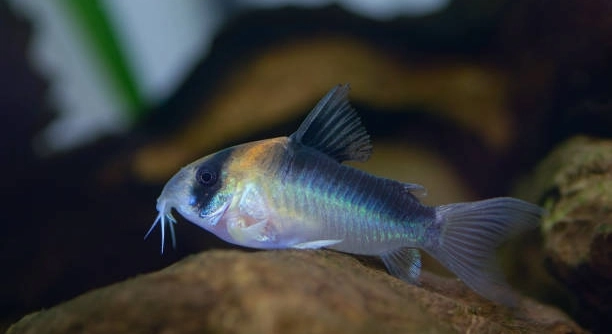
Corydoras catfish are popular aquarium fish due to their peaceful nature and helpful cleaning habits. However, if you’re thinking about keeping one on its own, you may wonder whether it’s a good idea.
Corydoras catfish can technically survive alone, but they thrive in groups. They are social creatures and prefer the company of their own kind for both mental stimulation and overall well-being. A solitary environment can cause stress.
There are several important factors to consider before deciding if a single Corydoras catfish will do well in your aquarium. Keep reading to learn how to make the best decision for your fish.
Why Corydoras Catfish Need Companions
Corydoras catfish are known for their social nature. In the wild, they swim in groups called schools, providing each other with safety and comfort. These fish thrive in the company of others, which helps reduce stress. When kept alone, they can become anxious and even depressed. Without the social interactions they naturally crave, a solitary Corydoras might show signs of lethargy, lack of appetite, or erratic swimming patterns. Even though they are relatively hardy, their emotional and physical well-being significantly benefits from being part of a group. A community of catfish allows them to interact and exhibit their natural behaviors.
Adding multiple Corydoras to your tank is highly recommended. While one catfish might survive, the lack of companionship could hinder their happiness. In the end, keeping them with others encourages a healthier, more active fish.
Having a group of Corydoras will also improve the overall health of your aquarium. They naturally help keep the tank clean by scavenging leftover food. Their constant movement adds life to your aquarium, creating a more balanced and vibrant environment for all the inhabitants.
Potential Problems of Keeping One Alone
Though they can survive on their own, Corydoras catfish can experience negative effects if kept alone for long periods. A lack of social interaction may weaken their immune system, leaving them more susceptible to illness. These fish may also become less active, which could result in a decline in their health. The absence of their natural companions can lead to abnormal behavior, and the catfish may even stop eating. Without another catfish to interact with, they often become more stressed, which affects their quality of life.
To avoid these issues, it’s important to keep at least two or three Corydoras in your aquarium. This will allow them to enjoy the comfort and companionship they naturally seek. Keeping them in a group ensures they remain healthy, active, and happier.
Benefits of Keeping a Group of Corydoras
Keeping a group of Corydoras catfish ensures they are more active and healthier. These fish naturally interact with one another, which can help reduce stress levels. A group provides comfort and stability, offering each fish a sense of security.
The social interactions among Corydoras play a key role in their overall health. They will engage in playful behaviors and often form bonds with other fish in the group. This social environment encourages more natural behaviors, improving their physical and mental well-being. Being in a group helps Corydoras feel less threatened and more comfortable in their environment. It also provides a natural structure where they can establish territories and interact in peaceful ways.
A group also promotes better feeding habits. Corydoras are scavengers, and when several are together, they help clean the aquarium by eating leftover food. Their constant movement around the tank can help prevent overgrowth of algae and other debris. This contributes to a healthier tank for both your fish and plants.
Considerations for Tank Size and Environment
Corydoras need a tank that supports their social nature. While they are small fish, they require enough space to move comfortably with their companions. The size of the tank matters when it comes to keeping a group of Corydoras.
A tank that is at least 20 gallons is recommended for a small group of Corydoras. A larger tank provides more swimming space and allows the fish to explore and interact freely. It’s also important to ensure the tank is well-planted and provides hiding spots. Corydoras enjoy having areas to retreat to when they feel stressed or threatened, so adding decorations or plants will create a more natural environment. Having these areas also promotes healthy interaction between the fish.
Water quality plays a crucial role in keeping Corydoras healthy, especially when they are in groups. Regular water changes and proper filtration help maintain the ideal water conditions for these fish. Additionally, make sure the water temperature remains steady between 72°F to 78°F (22°C to 25°C).
Behavior Changes in Solitary Corydoras
A single Corydoras may display abnormal behavior when kept alone. Without the social interaction of a group, they may become lethargic and inactive. The absence of other catfish can lead to stress, which negatively impacts their overall well-being.
When alone, Corydoras may stop scavenging as actively, losing interest in food. This can lead to unhealthy weight loss or malnourishment over time. They may also exhibit strange swimming patterns, which could indicate that the fish is stressed or uncomfortable. Group interaction helps reduce these behaviors, keeping the fish more engaged and healthier.
Tankmates for Corydoras
Corydoras are peaceful fish and generally do well with other non-aggressive species. They are bottom dwellers, so it’s best to pair them with tankmates that occupy different areas of the tank. Avoid aggressive fish that may cause stress.
In a well-planned community tank, Corydoras will thrive with species like tetras, guppies, or peaceful rasboras. These fish won’t compete for the bottom, allowing the Corydoras to focus on their scavenging duties. However, be sure that the tankmates have compatible water requirements and peaceful temperaments to maintain a harmonious environment.
Corydoras and Water Quality
Maintaining optimal water quality is essential for keeping Corydoras healthy. These catfish are sensitive to poor water conditions, which can lead to stress, diseases, or even premature death. Regular water changes are crucial.
Ensure the tank has proper filtration to remove excess waste and maintain clean water. Also, monitor the water parameters, particularly pH levels, hardness, and ammonia, to keep them within the acceptable range for Corydoras. Stability in water conditions is key to preventing health issues.
FAQ
Can a Corydoras Catfish live with other species?
Yes, Corydoras catfish are peaceful and get along well with many other species. They are bottom-dwelling fish, so they do well with tankmates that occupy the middle or upper parts of the tank. Species like tetras, guppies, and peaceful rasboras make good companions for Corydoras. It’s essential to avoid aggressive fish that may stress the Corydoras, as they are non-confrontational. Always ensure that the water requirements of all species in the tank are compatible to maintain a healthy environment for everyone.
Do Corydoras need a filter?
Yes, Corydoras require a filter in their tank to maintain clean and healthy water. These catfish are sensitive to water conditions, and a filter helps to remove excess waste and prevent harmful buildups of ammonia and nitrites. A good filter helps ensure water quality, which is essential for the overall health of your Corydoras. Make sure the filter’s flow rate isn’t too strong, as Corydoras prefer calm waters. Regular maintenance and water changes are still necessary to keep the tank environment optimal.
How many Corydoras should I keep together?
Corydoras are social fish and should ideally be kept in groups of at least three to five individuals. Keeping them in a group helps reduce stress and encourages more natural behavior. A group provides them with the social interaction they need, which helps them feel secure. In the wild, Corydoras swim in schools, and replicating this in the aquarium setting is essential for their well-being. Larger groups are even better, as Corydoras are more active and engaging with each other.
How long can Corydoras survive in a small tank?
Corydoras can survive in a small tank, but their health and happiness will be compromised if the tank is too small. A 20-gallon tank is the minimum recommended size for a small group of Corydoras. In a smaller tank, the fish will likely feel cramped and stressed, which can lead to health problems. It’s also important to consider the space needed for adequate filtration and swimming room. If you plan on keeping a single Corydoras or a small group, ensure the tank provides enough space for them to thrive.
What is the best substrate for Corydoras?
Corydoras prefer soft, smooth substrates that won’t damage their sensitive barbels. Sand is the best option, as it’s soft and gentle on their barbels, allowing them to search for food safely. Gravel can be used, but it should be smooth and not have sharp edges. Avoid large, rough rocks or any substrate that could injure the catfish. A soft substrate also helps prevent debris buildup, keeping the water quality better. Additionally, a sandy substrate allows Corydoras to dig and forage naturally, enhancing their well-being.
Do Corydoras need a heater?
Yes, Corydoras need a heater to maintain a stable water temperature. They prefer temperatures between 72°F to 78°F (22°C to 25°C), which is typical for tropical fish. Having a heater ensures that the water remains within this range, which is essential for their metabolic processes and overall health. Temperature fluctuations can cause stress, weaken their immune system, and make them more susceptible to disease. Always monitor the water temperature with a thermometer to ensure it’s consistent.
Can Corydoras eat flake food?
Corydoras can eat flake food, but it should be supplemented with other types of food for a balanced diet. Flake food is not ideal as the sole diet because it doesn’t always provide the necessary nutrients for Corydoras. These fish are scavengers and prefer sinking pellets, frozen or live foods like bloodworms or brine shrimp, and finely chopped vegetables. Offering a variety of foods will ensure they get the necessary nutrients for optimal health. Be careful not to overfeed, as leftover food can pollute the tank.
Do Corydoras need a lid on their tank?
While Corydoras are not known for jumping, it’s still a good idea to have a lid on the tank, especially if you have other fish species that may jump. Having a lid also helps to prevent debris from entering the water and keeps the tank environment cleaner. Additionally, a lid can help maintain the water temperature by reducing evaporation. If you don’t have a lid, ensure your aquarium is in a safe location where no fish can easily escape.
How often should I clean the tank for Corydoras?
You should clean the tank regularly to keep the water quality optimal for Corydoras. Perform partial water changes (about 25%) once a week to keep ammonia and nitrites at safe levels. In addition, vacuum the substrate during water changes to remove leftover food and waste. Make sure to clean the filter every few weeks to prevent clogging and maintain its efficiency. Regular maintenance will help prevent the buildup of harmful substances and ensure a healthy environment for your Corydoras.
What are the signs of stress in Corydoras?
Stress in Corydoras can manifest in several ways. If your Corydoras is swimming erratically, hiding more than usual, or showing a loss of appetite, these can be signs of stress. Stress can be caused by poor water quality, overcrowding, incompatible tankmates, or being kept alone. Corydoras that are stressed may also develop darker colors or show other behavioral changes. It’s essential to address the root cause of stress to ensure your fish remain healthy and comfortable. If stress continues, it can lead to disease or even premature death.
Do Corydoras need to be in a tank with plants?
While Corydoras do not specifically need live plants, having plants in the tank can benefit them. Plants provide hiding spots, reduce stress, and create a more natural environment for the fish. They also help maintain water quality by absorbing excess nutrients and reducing algae growth. If you choose to add live plants, ensure that they are compatible with Corydoras’ needs. Plants like Java fern or Anubias work well in tanks with these fish. However, Corydoras will also do well in a tank with soft decorations and adequate hiding spots.
Final Thoughts
Corydoras catfish are social creatures that do best when kept in groups. While it’s possible for them to survive alone, their overall well-being improves significantly when they have companions. These peaceful fish thrive in environments where they can interact with others, helping to reduce stress and encouraging natural behaviors. When kept in solitude, Corydoras can become less active, stressed, and even stop eating, which can negatively impact their health. To ensure your Corydoras live a happy and healthy life, it’s important to provide them with at least two or three companions in a tank that offers enough space for swimming and exploring.
Tank conditions play a major role in the health of your Corydoras. A well-maintained tank with clean water, proper filtration, and a stable temperature is essential. Corydoras are sensitive to water quality, so regular water changes and monitoring of water parameters are important. The tank should be large enough to accommodate a group of Corydoras comfortably, with space for hiding spots and a soft, smooth substrate like sand, which allows the catfish to forage and interact naturally. Adding live plants can also enhance the environment by providing hiding places and improving water quality, although it is not strictly necessary.
Lastly, Corydoras are easy to care for, but they still require some attention to thrive. They do well with other peaceful fish, making them a great addition to community tanks. However, it’s crucial to choose tankmates that won’t compete for the bottom or cause stress. With proper care and the right environment, Corydoras catfish can live a long, healthy life. By keeping them in groups, providing the right tank conditions, and ensuring they have the right companions, you’ll create an environment where your Corydoras can flourish.

Hello,
If you enjoy the content that we create, please consider saying a "Thank You!" by leaving a tip.
Every little bit helps us continue crafting quality advice that supports the health, happiness, and well-being of pets around the world, for pets of all shapes, sizes, and species.
We really appreciate the kindness and support that you show us!