
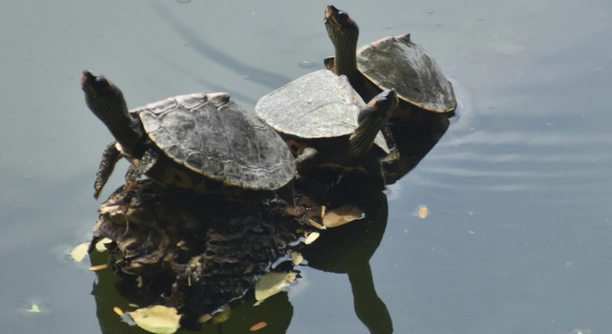
Choosing the right substrate for your Indian Roofed Tortoise is essential for its well-being. A good substrate promotes natural behavior, comfort, and proper health. This article will guide you in selecting the best options for your tortoise’s habitat.
The best substrate for Indian Roofed Tortoises typically includes materials like coconut coir, organic soil, and sphagnum moss. These substrates help maintain humidity levels, provide comfort, and allow for proper burrowing behavior, which is crucial for their health.
Understanding the different types of substrates will help you create the ideal environment for your tortoise. Keeping the right substrate in place ensures their comfort and well-being.
Why Substrate Matters for Your Indian Roofed Tortoise
The substrate you choose for your Indian Roofed Tortoise plays a major role in its daily life. It impacts humidity, temperature, and even their behavior. A good substrate provides a soft surface for your tortoise to walk on and burrow into. It mimics the natural environment of their native habitat and encourages essential activities like digging. By selecting the right substrate, you also support their digestive and respiratory health.
A poor substrate can lead to various health issues, including skin problems and breathing difficulties. It’s important to ensure the material is both safe and practical for your tortoise’s needs.
While it’s tempting to use any material that’s readily available, not all substrates are created equal. Choosing the wrong one can create an uncomfortable or harmful environment for your tortoise. A safe, natural substrate allows them to exhibit healthy behaviors, such as foraging and hiding. Properly managing the environment with the right substrate can help your tortoise thrive.
Types of Substrate for Indian Roofed Tortoises
Different types of substrates offer varying benefits. Each one supports specific needs like humidity, temperature control, and comfort for your tortoise. It’s essential to understand the different options.
The most common substrates are coconut coir, organic soil, and sphagnum moss. These are not only natural but also absorbent, making them ideal for maintaining humidity levels. Coconut coir is easy to clean and retains moisture well, while organic soil mimics a tortoise’s natural digging environment. Sphagnum moss is great for holding moisture and creating a humid spot in the enclosure, which is especially helpful during shedding periods. Make sure to choose a substrate that keeps your tortoise comfortable and healthy.
Coconut Coir Substrate
Coconut coir is one of the most popular substrates for Indian Roofed Tortoises. It holds moisture well and provides a soft, comfortable surface for them to walk on.
Coconut coir is naturally absorbent and easy to maintain. It helps to maintain humidity levels in the enclosure, which is vital for your tortoise’s health. This substrate is also free of chemicals, making it a safe choice. Its texture encourages natural digging behaviors, which tortoises enjoy. It’s also dust-free, reducing the risk of respiratory issues.
Another advantage of coconut coir is that it is biodegradable. When it’s time to replace the substrate, you can dispose of it without causing harm to the environment. Additionally, coconut coir doesn’t break down quickly, so you won’t need to change it often, making it a cost-effective option.
Organic Soil Substrate
Organic soil offers a more natural feel for your tortoise. It mimics the earth they would encounter in their native habitats and allows for comfortable burrowing.
Organic soil is nutrient-rich, providing your tortoise with a comfortable, familiar surface to dig in. The soil encourages the natural behaviors of your tortoise, including burrowing and foraging. While it’s great for digging, it also helps regulate temperature and moisture. If you maintain it properly, organic soil can last for a long time without breaking down quickly.
It’s important to choose soil that is free from chemicals or fertilizers. Make sure to avoid any soil that contains pesticides, as these can be harmful to your tortoise’s health. Regularly misting the soil will help maintain proper humidity levels. Be sure to monitor moisture to prevent mold growth.
Sphagnum Moss Substrate
Sphagnum moss is great for creating a humid spot in your tortoise’s enclosure. It’s absorbent and helps maintain proper moisture levels.
This substrate holds moisture very well, making it ideal for periods when your tortoise sheds. It also creates a comfortable, soft environment for your tortoise to burrow into. Sphagnum moss is natural, free from chemicals, and helps maintain the humidity your tortoise needs to stay healthy.
Sphagnum moss is easy to clean and replace. However, it can break down over time, so be prepared to replace it regularly to avoid mold buildup.
Sand Substrate
Sand can be an option if used carefully. It’s often used in combination with other substrates to create a more natural texture.
While sand is easy to find and relatively cheap, it should never be used as the only substrate for Indian Roofed Tortoises. It’s not great at retaining moisture, and excess sand can lead to impaction if ingested. Sand works best when mixed with coconut coir or soil. This mix helps keep the environment both comfortable and safe.
Reptile Carpet Substrate
Reptile carpet is another common option. It’s easy to clean, and it provides a smooth, flat surface for your tortoise.
Though it may not mimic the natural environment, reptile carpet is low-maintenance and safe for your tortoise to walk on. It’s a good choice if you prefer a more straightforward option that’s easier to manage. However, it doesn’t offer the same benefits as natural substrates in terms of digging and humidity regulation.
FAQ
What is the best substrate for humidity control?
Coconut coir and sphagnum moss are both excellent for maintaining humidity levels. Coconut coir holds moisture well, helping to create a humid environment for your tortoise. Sphagnum moss is also highly absorbent and ideal for shedding periods, making it perfect for creating a humid spot in the enclosure. You can combine these substrates to create a balance between moisture retention and comfort. Regular misting also helps maintain consistent humidity levels, which is essential for the health of your Indian Roofed Tortoise.
Can I use sand as a primary substrate?
Sand is not the best choice as a primary substrate for your tortoise. While it may mimic natural environments, it doesn’t retain moisture well, and excess sand can cause impaction if ingested. If you choose to use sand, mix it with other substrates like coconut coir or organic soil to provide a better environment. This combination allows for better humidity regulation while still allowing your tortoise to dig and explore naturally.
How often should I replace the substrate?
The frequency of substrate replacement depends on the type you use. For coconut coir and sphagnum moss, you’ll need to replace them every 2-3 months. Organic soil can last longer, but it’s important to monitor moisture levels and check for mold or foul smells. If the substrate becomes overly soiled or breaks down, it’s time for a replacement. Reptile carpets should be cleaned regularly, but they don’t need to be replaced often unless they show signs of wear.
Is reptile carpet safe for my tortoise?
Reptile carpet is safe for tortoises to walk on, but it doesn’t mimic a natural environment. While it’s low-maintenance and easy to clean, it doesn’t provide opportunities for your tortoise to burrow or dig, which is essential for their well-being. It’s a good option if you’re looking for an easy-to-manage substrate, but it should be used in combination with other more natural substrates for a complete habitat.
Can I use regular soil as a substrate?
Regular garden soil may seem like an easy choice, but it’s not recommended for your tortoise. Garden soil often contains fertilizers, pesticides, and other chemicals that can be harmful. If you want to use soil, choose organic soil that is free from chemicals and fertilizers. Always check the soil for any signs of harmful additives before using it in your tortoise’s enclosure.
How do I manage the humidity levels in my tortoise’s enclosure?
To manage humidity, it’s essential to use substrates like coconut coir or sphagnum moss, which retain moisture. Regular misting can help maintain humidity, but be cautious not to overdo it. If the enclosure becomes too wet, mold can develop. A hygrometer can help monitor humidity levels, ensuring they stay within the recommended range for your tortoise. You may also need to adjust the humidity based on temperature, so ensure you have a balanced heating system in place.
Is it safe to mix different substrates?
Yes, mixing substrates can provide the best of both worlds. For example, combining coconut coir with organic soil can help create a comfortable, natural environment for your tortoise. It allows for good moisture retention, comfort for burrowing, and humidity regulation. Just ensure the mix is safe and doesn’t contain harmful chemicals. You can experiment with different combinations to find what works best for your tortoise’s needs.
Do I need to add calcium to the substrate?
It’s not necessary to add calcium directly to the substrate, but your tortoise will need it in their diet. You can provide a separate calcium source, like a cuttlebone or calcium powder, to ensure they are getting the right amount. The substrate should focus on comfort and moisture regulation, while calcium supplementation should come through their food or dedicated sources.
Can I use bark or wood chips as a substrate?
Bark or wood chips are generally not recommended for Indian Roofed Tortoises. While they can create a natural look, they don’t retain moisture well and can pose a risk if your tortoise ingests them. Some types of wood, like pine, may even contain oils that are harmful to reptiles. If you choose to use bark, ensure it’s specifically labeled as safe for reptiles and avoid any treated or scented types.
How can I prevent mold in my tortoise’s enclosure?
Mold typically forms when there is excessive moisture. To prevent mold, make sure the substrate isn’t too damp, and provide proper ventilation in the enclosure. Using absorbent substrates like coconut coir or sphagnum moss can help balance moisture levels. If you notice any mold, replace the affected substrate immediately and clean the enclosure thoroughly to prevent future growth. Regular monitoring of humidity and temperature also helps maintain a healthy environment for your tortoise.
Final Thoughts
Choosing the right substrate for your Indian Roofed Tortoise is an important decision. It affects not only their comfort but also their health and behavior. Each type of substrate has its own benefits, so it’s crucial to understand your tortoise’s needs before selecting the best one. Coconut coir, organic soil, and sphagnum moss are often the top choices because they help maintain proper humidity and create a more natural environment for the tortoise to dig and explore. On the other hand, substrates like sand or reptile carpet might not be as ideal, but they can be used in combination with other materials to offer a balance of comfort and easy maintenance.
When choosing a substrate, it’s also important to consider factors like how often it needs to be replaced and how easy it is to clean. Coconut coir and sphagnum moss are both relatively low-maintenance, but they still require regular monitoring for moisture levels and mold growth. Organic soil may need to be replaced more often depending on the humidity and temperature in your tortoise’s enclosure. Reptile carpets are easy to clean but don’t provide the same benefits as natural substrates, so it’s best to use them as a supplement rather than the primary option. Always choose materials that are free from harmful chemicals to ensure your tortoise stays safe and healthy.
In the end, the best substrate for your Indian Roofed Tortoise is one that creates a comfortable, safe, and natural environment. You can mix and match different substrates to achieve the right balance of moisture, humidity, and digging opportunities. Regularly check the enclosure to ensure everything stays clean and comfortable for your tortoise. With the right substrate, your tortoise will be able to thrive, feel secure, and express its natural behaviors.

Hello,
If you enjoy the content that we create, please consider saying a "Thank You!" by leaving a tip.
Every little bit helps us continue crafting quality advice that supports the health, happiness, and well-being of pets around the world, for pets of all shapes, sizes, and species.
We really appreciate the kindness and support that you show us!