
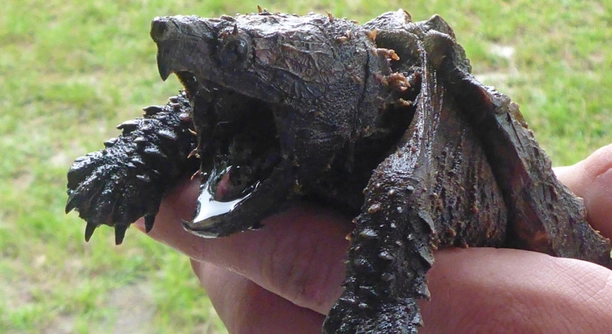
Alligator snapping turtles are fascinating creatures, and providing them with the right environment is crucial for their well-being. One important factor to consider is their substrate. This guide will help you choose the best substrate for your alligator snapping turtle.
The ideal substrate for alligator snapping turtles should mimic their natural habitat and provide a safe, clean environment. Soft, non-abrasive materials like coconut fiber or large gravel are recommended to allow for burrowing while preventing injury.
Selecting the right substrate will ensure a comfortable and safe living space for your turtle. Continue reading to discover more about the best options available.
Types of Substrate for Alligator Snapping Turtles
When selecting a substrate for your alligator snapping turtle, it’s important to consider materials that are both safe and functional. Coconut fiber, also known as coir, is a popular choice because it’s soft, absorbent, and helps maintain humidity. It’s also easy to clean and won’t cause harm if ingested in small amounts. Another option is large gravel, which allows for burrowing and mimics the natural riverbed of these turtles. It’s essential to avoid small gravel or sand, as these can be accidentally ingested and cause digestive issues. Both of these substrates also provide natural enrichment for your turtle, allowing it to exhibit instinctual behaviors like burrowing and foraging.
For ease of maintenance, consider substrates that are easy to clean and won’t quickly degrade. A mix of coconut fiber and larger pebbles might be ideal for balancing comfort and practicality. It’s a good idea to regularly check for waste and change the substrate when needed.
Ensuring your alligator snapping turtle’s substrate is safe and comfortable will encourage natural behaviors and help maintain their health. Consider their habitat’s humidity levels, as well as ease of cleaning when choosing the best substrate.
Benefits of Coconut Fiber
Coconut fiber is a top choice for many turtle owners. Its soft texture provides a comfortable, natural surface for your turtle to explore and rest on.
Using coconut fiber helps maintain proper humidity, which is vital for your turtle’s health. It also doesn’t compact too tightly, offering your snapping turtle the ability to burrow comfortably, much like it would in the wild.
Gravel Substrates
Gravel is a popular choice for alligator snapping turtles due to its ability to mimic the natural riverbed environment. Large, smooth stones work best, offering a safe and comfortable space for your turtle to roam.
Gravel provides good drainage, helping to avoid stagnant water that could harm your turtle’s health. It also allows the substrate to be cleaned easily. However, it’s essential to ensure the gravel pieces are large enough to prevent accidental ingestion. This can be a risk with smaller gravel that can get caught in their digestive system.
While gravel mimics a natural environment, it’s important to ensure the stones are rounded and not jagged. Sharp edges can harm your turtle’s delicate skin. Regularly inspect the substrate for waste or debris to maintain a clean, safe environment.
Sand Substrates
Sand is an option some turtle keepers use, but it requires more caution. Fine sand can be easily ingested, leading to impaction, which is a significant concern. Coarse, aquarium-safe sand is safer than fine sand and can allow for burrowing behavior.
Sand also maintains humidity, which is important for your alligator snapping turtle’s health. However, because of its small particles, it can be tricky to clean. It tends to hold onto waste, making it necessary to change the sand regularly. If you do choose sand, it’s essential to make sure it’s free from harmful additives or contaminants that could harm your turtle’s digestive system.
Substrate Depth
The depth of the substrate plays a key role in providing a comfortable environment. Alligator snapping turtles enjoy burrowing, so a substrate depth of 2-4 inches is ideal for them.
A deeper substrate allows for natural digging behaviors, which helps your turtle feel secure. However, be mindful that too much depth can make cleaning harder. Aim for a balance that works well for both your turtle and your maintenance routine.
Substrate Maintenance
Maintaining your turtle’s substrate is essential for preventing harmful bacteria buildup. Regularly remove waste and uneaten food from the substrate. Spot cleaning daily can keep things fresh.
Once a month, change out a portion of the substrate to ensure it doesn’t become too compacted. This will maintain a healthy environment and keep your turtle comfortable.
FAQ
What type of substrate is best for an alligator snapping turtle?
Coconut fiber and large gravel are generally the best substrates for alligator snapping turtles. Coconut fiber provides a soft, absorbent surface that helps maintain humidity. Gravel mimics the natural riverbed environment, allowing for burrowing and easy drainage. Both options are safe and functional.
Can I use sand as a substrate for my turtle?
While sand can be used, it’s not the best option. Fine sand can be ingested by your turtle, leading to impaction. If you choose sand, make sure it’s coarse and aquarium-safe. Even then, it requires frequent cleaning and maintenance to keep it hygienic.
How deep should the substrate be?
A depth of 2 to 4 inches is recommended for your alligator snapping turtle. This depth allows for digging and burrowing, which is essential for their natural behavior. Too shallow, and they won’t have enough space to dig; too deep, and cleaning can become difficult.
How often should I clean the substrate?
Regular maintenance is necessary to keep your turtle’s environment healthy. Spot clean daily by removing waste and uneaten food. Once a month, change out part of the substrate to avoid compaction and bacterial buildup. Full substrate changes should be done every 3 to 6 months.
Can I mix substrates?
Yes, you can mix substrates like coconut fiber and gravel for a balanced environment. This mixture offers both the softness of fiber and the natural, burrow-friendly properties of gravel. Just ensure that the materials are compatible and won’t harm your turtle if ingested.
Do I need to use a substrate heater?
A substrate heater is not necessary for alligator snapping turtles, as they are generally comfortable in room temperatures. However, if you are using a more absorbent substrate like coconut fiber, ensure it stays moist, which may require slight temperature control to avoid drying out.
Can I use aquarium gravel for my turtle’s substrate?
Aquarium gravel can work well as long as it’s large enough to prevent accidental ingestion. Avoid small gravel pieces, as these pose a choking hazard. Make sure the gravel is smooth and rounded to prevent injury to your turtle’s delicate skin.
Is it safe to use dirt or soil as a substrate?
Soil or dirt is not recommended because it can compact and create a mess. It can also harbor bacteria and parasites, which can be harmful to your turtle’s health. If you do decide to use dirt, it should be mixed with other substrates like coconut fiber for better drainage and safety.
How can I prevent the substrate from smelling?
To prevent odors, remove waste and uneaten food daily. Spot cleaning regularly and replacing part of the substrate monthly helps keep things fresh. Adding a water filtration system to your turtle’s habitat can also help maintain cleanliness and reduce odors in the tank.
Is it necessary to use live plants in the substrate?
Live plants are not necessary, but they can be beneficial for creating a more natural environment. Plants help with water quality by absorbing excess nutrients and providing hiding spots for your turtle. Just be aware that some plants may not thrive in turtle tanks, so research carefully before adding them.
Can alligator snapping turtles use reptile carpet?
Reptile carpets are not recommended for alligator snapping turtles. They don’t provide the same natural environment or the opportunity to burrow, which is important for their well-being. Additionally, it can be difficult to clean thoroughly, making it an impractical choice for turtles.
What should I do if my turtle eats the substrate?
If your turtle eats a small amount of substrate, monitor its behavior. Small pieces of coconut fiber or gravel typically pass through without issues. However, if you notice any signs of digestive distress or if your turtle consumes large quantities, consult a veterinarian immediately.
Final Thoughts
Choosing the right substrate for your alligator snapping turtle is important for both its comfort and health. While there are several options, it’s essential to select a substrate that mimics its natural habitat, provides space for burrowing, and supports healthy water conditions. Gravel, coconut fiber, and coarse sand are popular choices, each offering unique benefits. Gravel allows for burrowing and easy maintenance, while coconut fiber helps with humidity and provides a soft environment. Sand can be used but requires more care to avoid impaction risks.
Regular maintenance is crucial in keeping your turtle’s environment clean and safe. Spot cleaning daily can help remove waste and food debris. Every few months, changing part of the substrate prevents it from becoming too compacted or contaminated. Keeping the substrate fresh is also essential for preventing harmful bacteria growth. It’s also important to choose the correct depth for the substrate—around 2-4 inches is ideal for an alligator snapping turtle. This allows for natural digging behavior while still being manageable for cleaning.
While selecting and maintaining a substrate may seem like a small part of caring for your alligator snapping turtle, it plays a significant role in its overall well-being. By choosing the right materials and staying on top of cleaning, you can create a comfortable and healthy environment for your turtle to thrive.

Hello,
If you enjoy the content that we create, please consider saying a "Thank You!" by leaving a tip.
Every little bit helps us continue crafting quality advice that supports the health, happiness, and well-being of pets around the world, for pets of all shapes, sizes, and species.
We really appreciate the kindness and support that you show us!