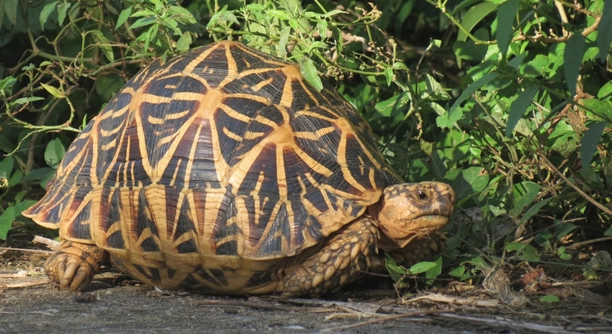
Why Does My Turtle Keep Moving Its Basking Spot?
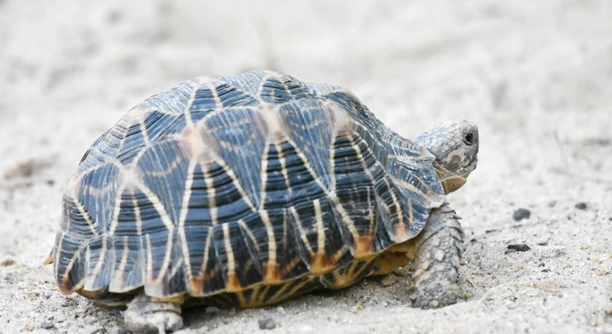
Turtles are fascinating pets, and many owners enjoy watching their little companions bask in the warmth. However, it can be puzzling when a turtle constantly moves its basking spot. Understanding this behavior can help you care for your pet better. The main reason your turtle moves its basking spot is due to temperature preferences. Turtles … Read more
7 Ways to Keep Your Turtle’s Skin Healthy

Is your turtle’s skin looking dry or irritated? Proper care is essential to keep their skin smooth and free from infections. Understanding the right steps can help maintain your pet’s overall health and comfort. The best way to keep your turtle’s skin healthy is by maintaining proper water quality, providing a balanced diet, and ensuring … Read more

Why Is My Turtle’s Water Always Foamy?

Is your turtle’s water constantly foamy, leaving you wondering what might be causing it? Foam in a turtle’s tank can be concerning, especially if it appears frequently or does not go away after cleaning. Foamy water in a turtle’s tank is typically caused by protein buildup from leftover food, waste, and organic matter. It can … Read more

7 Ways to Make Your Turtle’s Tank Look More Natural

Creating a natural habitat for your turtle is essential for its well-being. A well-maintained tank can mimic the wild environment and provide comfort. There are simple steps you can take to make your turtle’s tank look more authentic. To achieve a more natural appearance, focus on adding plants, rocks, and hiding spaces. Mimicking the turtle’s … Read more

Why Does My Turtle Keep Floating at the Surface?

Turtles are fascinating creatures, but you might notice your pet floating at the surface more often than usual. This behavior could be a sign of different underlying causes. Understanding these causes is key to ensuring your turtle’s health. The most common reasons for a turtle floating at the surface are air trapped in its lungs, … Read more

7 Ways to Encourage Your Turtle to Eat More Greens

Many turtle owners struggle to get their pets to eat enough greens. Turtles can be picky eaters, making it difficult to ensure they have a balanced diet. This article will explore ways to encourage your turtle to enjoy more vegetables. Offering a variety of greens, adjusting texture, and incorporating different feeding methods can all increase … Read more

Why Is My Turtle’s Mouth Stuck Open?

Sometimes, turtles can be seen with their mouths stuck open, which can be concerning. This behavior might indicate an underlying issue that requires attention. It’s important to understand the causes and how to address them effectively. Turtles may keep their mouths open due to respiratory infections, stress, or an improper environment. Additionally, mouth rot or … Read more

7 Common Turtle Shell Diseases and How to Treat Them

Turtle shell diseases can be concerning for owners. These conditions affect the health of their shells, which are crucial for protection and mobility. Identifying common diseases early can prevent long-term damage and promote better care. Several turtle shell diseases are commonly observed, including shell rot, fungal infections, and metabolic bone disease. Treatment varies depending on … Read more

Why Does My Turtle Keep Scraping Its Shell on the Rocks?

Is your turtle constantly scraping its shell against the rocks in its enclosure? This behavior may seem concerning, but it often has an underlying cause. Understanding why your turtle does this can help ensure its comfort and well-being. Turtles typically scrape their shells on rocks to aid in shedding, remove algae buildup, or relieve irritation. … Read more

7 Reasons Your Turtle Might Be Aggressive Towards Other Turtles

Is your turtle showing aggression toward other turtles, leaving you concerned about their interactions? Understanding the reasons behind this behavior can help you create a peaceful environment and ensure the well-being of all turtles in your care. Turtles may display aggression due to territorial disputes, competition for resources, stress, or improper habitat conditions. Mating behaviors, … Read more