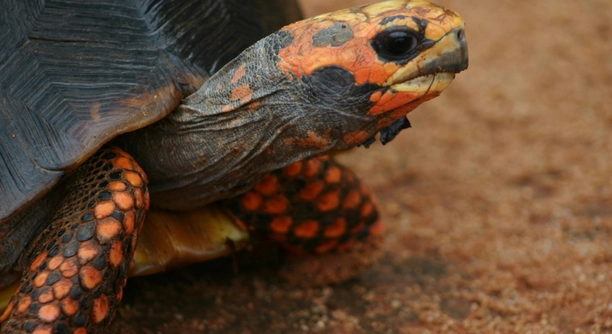
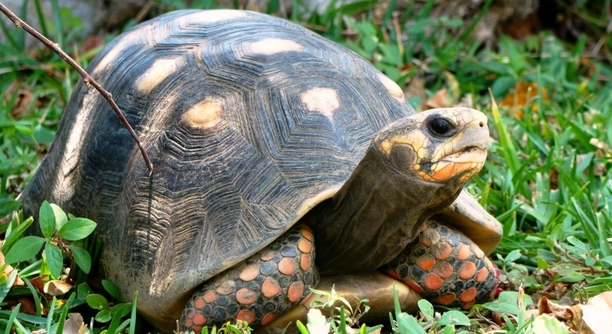
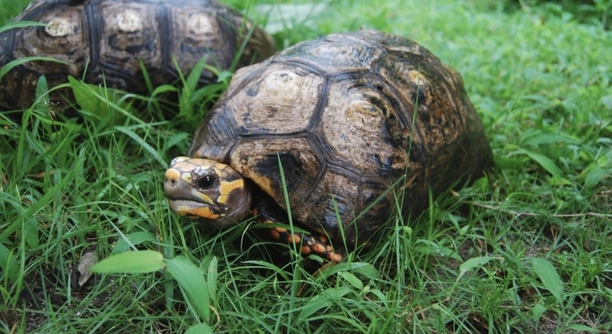
Why Is My Red-Footed Tortoise Walking in Circles? (+What to Do)

If your red-footed tortoise is walking in circles, it might be a sign of something that requires attention. Understanding why this happens can help you take the right steps to address it. The primary reason for circular walking in red-footed tortoises is stress or a health issue, such as dehydration, shell problems, or neurological disorders. … Read more

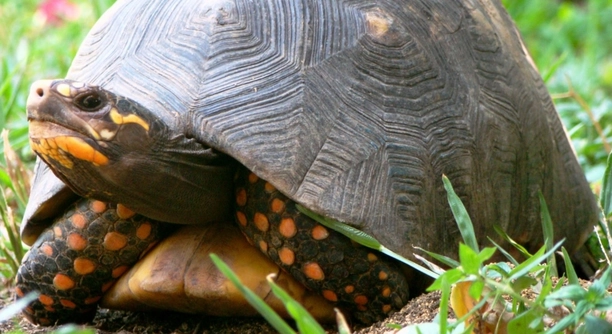
7 Reasons Your Red-Footed Tortoise Won’t Come Out of Its Shell

A red-footed tortoise is a fascinating pet, known for its calm nature and distinct appearance. However, it can sometimes be difficult to get them out of their shell, leaving owners puzzled and concerned. There are several reasons why a red-footed tortoise may retreat into its shell. Stress, illness, or environmental factors such as temperature and … Read more

Do Red-Footed Tortoises Need Toys? (Best Enrichment Ideas)

Red-footed tortoises are fascinating creatures, and providing them with a proper environment is essential for their well-being. One important aspect of their care is enrichment, which can be achieved through various activities and toys to keep them active. Red-footed tortoises do not require toys in the same way some other animals do. However, they benefit … Read more

How to Make an Outdoor Enclosure for Your Red-Footed Tortoise

Creating an outdoor enclosure for your red-footed tortoise is an exciting way to provide them with a safe and stimulating environment. These tortoises thrive in outdoor spaces that mimic their natural habitat. To build an effective enclosure, start by choosing an area with enough space for your tortoise to roam. The enclosure should include a … Read more

7 Reasons Your Red-Footed Tortoise’s Shell Is Peeling (+Fixes)

Is your red-footed tortoise’s shell starting to peel, leaving you concerned about its health? Shell peeling can be a natural process, but in some cases, it may indicate an underlying issue that requires attention to prevent further complications. The most common reasons for shell peeling in red-footed tortoises include natural growth, retained scutes, fungal infections, … Read more

Why Is My Red-Footed Tortoise Making Noises? (+What It Means)

Is your red-footed tortoise making unusual noises, leaving you unsure of what they mean? Tortoises are generally quiet, but occasional sounds can indicate communication, discomfort, or environmental factors. Understanding these noises can help you ensure your pet’s well-being. Red-footed tortoises make noises for various reasons, including respiratory issues, stress, mating behaviors, or general communication. Hissing, … Read more

Can You Keep a Red-Footed Tortoise in an Apartment? (+Tips)

A red-footed tortoise is a unique pet that can make an interesting addition to your home. However, owning one in an apartment comes with its own set of challenges and considerations. Red-footed tortoises can live in an apartment if their environment is carefully controlled. They require ample space, appropriate heating, and humidity to thrive. Providing … Read more

7 Signs Your Red-Footed Tortoise Is Dehydrated (+How to Fix)

A red-footed tortoise is a unique pet that requires special care, especially when it comes to hydration. Ensuring that your tortoise remains properly hydrated is essential for its overall health and well-being. Recognizing the signs of dehydration can help you address any issues early. Dehydration in red-footed tortoises often presents with specific physical signs, such … Read more

How Much Light Does a Red-Footed Tortoise Need? (+Day/Night Guide)

Red-footed tortoises are unique reptiles that require a specific amount of light to thrive. Their natural habitats involve sunlight exposure, so understanding their needs in captivity is essential for their health and well-being. Red-footed tortoises require a balance of both UVB and heat light. A 12-hour day cycle with UVB light exposure for at least … Read more

Can Red-Footed Tortoises Eat Mushrooms? (What Experts Say)

Red-footed tortoises are known for their varied diet, often enjoying fruits, vegetables, and insects. As omnivores, their meals can range widely, so it’s important to understand which foods are safe and beneficial for them. Experts advise caution when feeding mushrooms to red-footed tortoises. While some mushrooms are non-toxic, others can be harmful. It is essential … Read more