Why Is My Map Turtle Less Active in Winter?
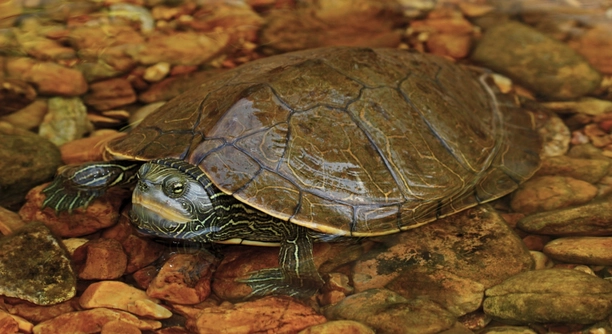
Map turtles are fascinating creatures, but their activity levels can change depending on the season. In winter, you may notice your map turtle becoming less active. Understanding this behavior can help you ensure your turtle stays healthy. The primary reason for your map turtle’s reduced activity in winter is related to its cold-blooded nature. As … Read more
7 Signs Your Map Turtle Is Stressed (+How to Help)

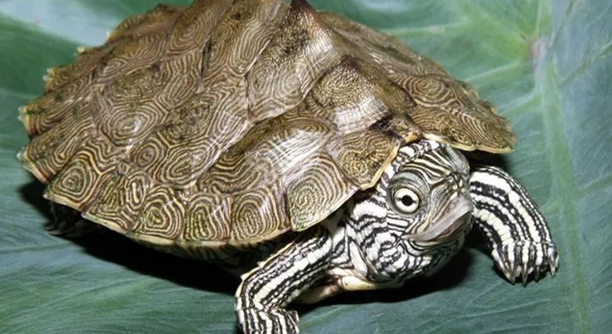
Map turtles are fascinating pets, but like all creatures, they can experience stress. Understanding how to identify stress in your map turtle is key to ensuring its well-being. This guide will help you recognize the signs. Signs of stress in map turtles include excessive basking, changes in behavior, and loss of appetite. Stress can arise … Read more

Can Map Turtles Eat Fish? (+Best Types to Feed)

Map turtles are freshwater reptiles with unique dietary needs. They often live in ponds, rivers, and lakes, where their diet consists of plants, small invertebrates, and occasional fish. This article will explore whether fish should be a part of their meals. Map turtles can eat fish, but it’s important to provide them in moderation. Freshwater … Read more

7 Things to Know About the Natural Habitat of Map Turtles

Map turtles are unique creatures, and understanding their natural habitat is essential for their care. Knowing where they live and what environment they thrive in can make a big difference in maintaining their health. Map turtles are typically found in freshwater environments like rivers, lakes, and ponds. They prefer habitats with slow-moving water, plenty of … Read more

Can Map Turtles Be Left Alone for a Week? (+Preparation Tips)

Map turtles are unique pets, often requiring specific care and attention. If you need to leave them alone for a week, proper preparation is essential to ensure they remain healthy and comfortable. Map turtles can be left alone for a week, but careful planning is necessary. Ensure their tank is clean, water is properly filtered, … Read more

Why Do Some Map Turtle Hatchlings Grow Faster Than Others?

Some map turtle hatchlings grow at different rates, even though they come from the same nest. This variation can be influenced by several factors that affect their early development and survival chances. The growth rate of map turtle hatchlings depends on factors such as temperature, nutrition, genetics, and environmental conditions. Warmer temperatures and access to … Read more

Why Is My Map Turtle Losing Its Appetite? (+Causes and Fixes)

If your map turtle is refusing food, it can be concerning. Loss of appetite in turtles may stem from various factors. Understanding why this happens is important for ensuring your turtle remains healthy and well-fed. There are several reasons why a map turtle may lose its appetite, including environmental stress, poor water quality, improper temperature, … Read more

7 Common Eye Problems in Map Turtles and How to Treat Them

Map turtles are unique and fascinating pets, but they can sometimes face eye problems that need attention. Understanding these common issues is key to keeping them healthy and happy in their habitats. Common eye problems in map turtles include conditions like conjunctivitis, swollen eyelids, and cloudy eyes. These issues often arise from environmental stressors, poor … Read more

How to Boost the Survival Rate of Map Turtle Eggs

Map turtles are fascinating creatures, but the survival of their eggs can be quite challenging. Ensuring that these eggs have the best chance of hatching requires careful attention and knowledge about their natural habitat and specific needs. To increase the survival rate of map turtle eggs, it is important to protect the eggs from predators, … Read more

Why Does My Map Turtle Prefer the Cooler Side of the Tank?

Map turtles are fascinating pets that require proper care to thrive. One common behavior seen in these turtles is their preference for cooler areas of the tank. Understanding why this happens can help improve their living conditions. Map turtles prefer the cooler side of their tank due to their natural need for temperature regulation. These … Read more