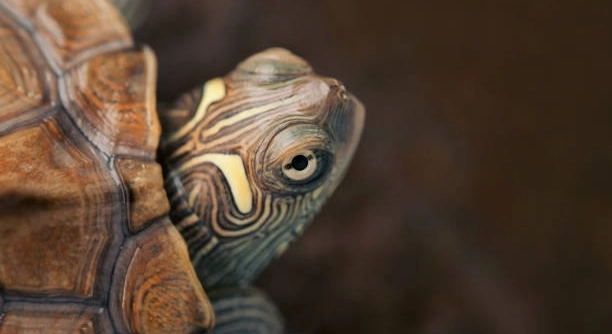
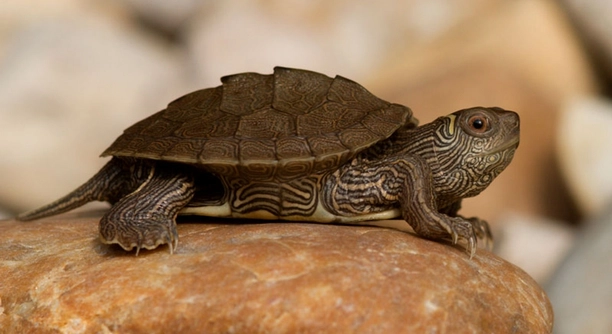
7 Best Toys for Map Turtles to Stay Entertained
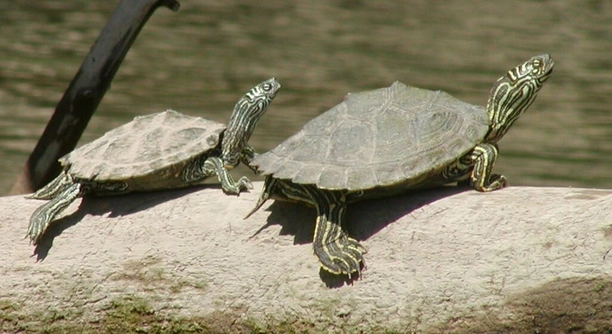
Map turtles, like all pets, need stimulation to stay happy and healthy. Their environment should offer various ways to engage and entertain them. Finding the right toys can help keep them active and prevent boredom. The best toys for map turtles are ones that stimulate their natural instincts and encourage exploration. Floating objects, climbing structures, … Read more
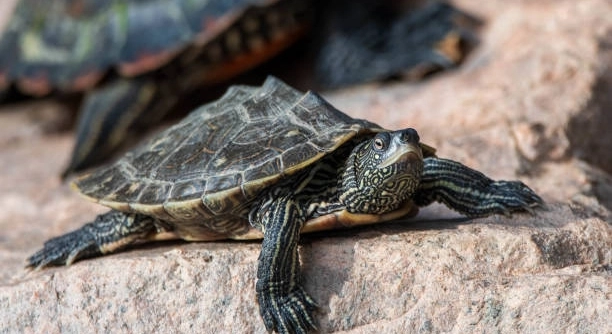
How to Properly Anchor Decorations in a Map Turtle Tank

Decorating a Map Turtle tank can enhance the habitat but ensuring the decorations are properly anchored is essential. A well-secured environment provides both safety and aesthetic value for your turtle’s space. To properly anchor decorations in a Map Turtle tank, start by selecting safe, non-toxic materials. Use aquarium-safe silicone or rocks to secure decorations firmly … Read more

Why Does My Map Turtle Make Clicking Sounds?

Map turtles can make clicking sounds, leaving many turtle owners wondering what causes this noise. These sounds may seem strange, but understanding their origins can help improve the care of your pet turtle. The clicking sounds are often caused by your map turtle’s jaw or respiratory system. These sounds can result from natural movements, such … Read more

Why Are Mississippi Map Turtles So Popular? (+Pros & Cons)

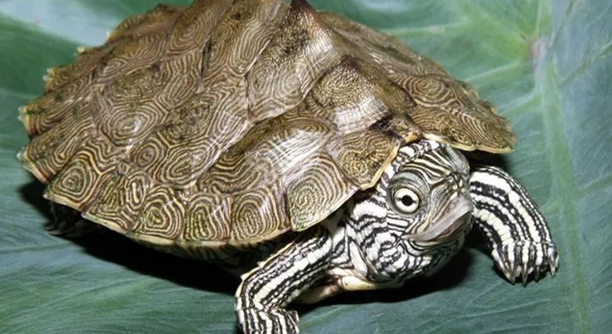
Mississippi Map Turtles are gaining popularity among turtle enthusiasts, offering a unique and charming addition to any home. Their distinct markings and manageable size make them appealing to both beginners and experienced reptile owners alike. Mississippi Map Turtles are popular due to their unique appearance, manageable size, and relatively easy care. Their distinctive markings, including … Read more

Why Does My Map Turtle Hide Under the Filter?

Map turtles are known for their unique behaviors and can often be seen hiding under filters in their habitats. This can be puzzling for many pet owners who are trying to understand their turtle’s actions. Map turtles often hide under filters as a means of feeling secure or sheltered. The filter provides a consistent flow … Read more

Can Map Turtles Survive in a River? (+Habitat Preferences)

Map turtles are unique reptiles known for their striking appearance and preference for specific habitats. In rivers, they encounter various conditions that may impact their survival. Understanding their habitat preferences is key to their well-being. Map turtles can survive in rivers if their specific habitat requirements are met, including access to basking sites, clean water, … Read more

Do Map Turtles Need Caves in Their Tank? (+Benefits)

Map turtles are unique creatures that require a suitable environment to thrive. One aspect of their habitat that many owners wonder about is whether caves are necessary for their tank setup. Map turtles benefit from having caves in their tanks, as they provide a secure place to hide, reduce stress, and mimic their natural environment. … Read more

7 Best Substrates for Map Turtles in Aquariums

Finding the best substrate for your map turtle can make a significant difference in their overall health and comfort. Selecting the right one ensures that their habitat is suitable for their natural behaviors. The ideal substrates for map turtles should be both safe and functional. Materials like river rock, sand, and aquatic plants are commonly … Read more

7 Reasons Why Map Turtle Shells Turn Soft (+How to Fix)

Map turtle shells are crucial to their overall health and survival, offering protection and support. However, when their shells turn soft, it’s important to understand why this happens and how to address it properly. Softening of map turtle shells typically occurs due to nutritional imbalances, poor water conditions, or insufficient UVB light. These factors can … Read more

Why Do Map Turtles Vibrate Their Front Legs?

Map turtles are fascinating creatures known for their unique behaviors. One of these behaviors is the vibration of their front legs, which might leave you wondering about its purpose and significance in their daily lives. Map turtles vibrate their front legs as a form of communication and possibly to aid in sensory processing. This behavior … Read more