7 Best Practices for Cleaning Yellow-Bellied Slider Tanks
Keeping a yellow-bellied slider’s tank clean is essential for their health. Regular cleaning helps maintain water quality and prevents harmful bacteria from building up. This process ensures a happy, healthy environment for your turtle to thrive. The best practices for cleaning a yellow-bellied slider tank include regular water changes, removing waste, cleaning filters, and disinfecting … Read more

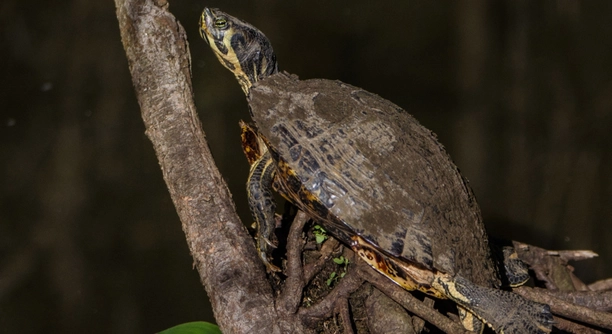
Can Yellow-Bellied Sliders Live in Cold Water?

Yellow-Bellied Sliders are aquatic turtles often found in warm, temperate waters. However, many pet owners wonder whether these turtles can thrive in cold water environments. Understanding their needs will help ensure their health and well-being. Yellow-Bellied Sliders can survive in cold water, but they prefer warmer temperatures. Exposure to cold water for extended periods can … Read more

7 Steps to Transition a Yellow-Bellied Slider to a New Tank

Moving your yellow-bellied slider to a new tank can be a challenging task. Understanding the proper steps ensures a smooth transition for your turtle. This process involves some important considerations for its well-being and comfort in the new environment. To successfully transition your yellow-bellied slider, first prepare the new tank with proper water conditions, heating, … Read more

Why Does My Yellow-Bellied Slider Bask for Hours?

Many pet owners notice their yellow-bellied slider basking for extended periods. This behavior can raise concerns about whether it’s normal or something to address. Understanding this activity will help ensure their well-being. Basking is essential for yellow-bellied sliders, as it helps them regulate their body temperature and digest food properly. Exposure to UVB light while … Read more

7 Signs of a Malnourished Yellow-Bellied Slider

Malnutrition can affect many reptiles, including yellow-bellied sliders. Recognizing signs of an unhealthy diet is essential to keeping your turtle healthy. Proper care can prevent issues and improve the well-being of these aquatic pets. Malnutrition in yellow-bellied sliders can lead to physical and behavioral changes. Common signs include weight loss, lethargy, poor shell condition, and … Read more

How to Choose the Best UVB Light for Yellow-Bellied Sliders (7 Tips)

UVB light is essential for the health and well-being of your yellow-bellied slider. Choosing the right UVB light can make a big difference in their care and comfort. It’s important to know what to look for. When selecting the best UVB light for yellow-bellied sliders, consider factors like UVB output, light coverage, bulb type, and … Read more

Can Yellow-Bellied Sliders Eat Mushrooms? (Safe Options)

Yellow-bellied sliders are popular aquatic turtles that thrive in a variety of environments. As pet owners, it’s important to understand their dietary needs to ensure their health and well-being. One question many ask is whether mushrooms are a safe food option for these turtles. Yellow-bellied sliders can eat mushrooms, but it should be done in … Read more

Why Is My Yellow-Bellied Slider Not Using Its Shell Correctly?

Do you have a yellow-bellied slider that isn’t using its shell properly?If your yellow-bellied slider is not using its shell correctly, it could be due to stress, injury, or health issues such as a weakened immune system. These factors prevent the turtle from instinctively retracting into its shell.Understanding the causes behind this behavior can help … Read more

7 Tips to Reduce Stress in Yellow-Bellied Sliders

Yellow-bellied sliders, like all pets, need proper care to thrive. Stress can affect their health and overall well-being. Understanding how to manage and reduce stress in these reptiles is important for their happiness and longevity. To reduce stress in yellow-bellied sliders, create a calm and stable environment. Ensure their habitat is clean, appropriately sized, and … Read more

How to Spot a Dominant Yellow-Bellied Slider

Yellow-bellied sliders are fascinating creatures, often seen basking in the sun near ponds and lakes. They can be tricky to identify due to their similar appearance to other turtle species. Knowing how to spot them can make all the difference. To identify a dominant yellow-bellied slider, observe its distinct yellow markings on the plastron and … Read more