7 Steps to Diagnose Yellow-Bellied Slider Health Issues at Home
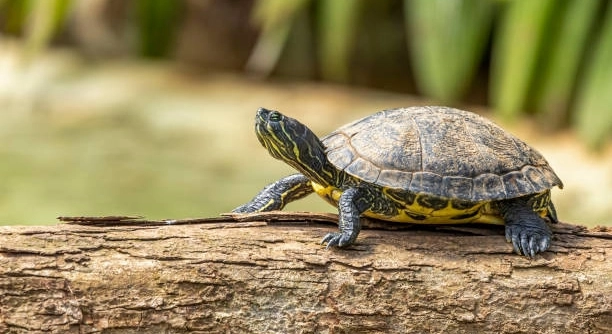
A healthy Yellow-Bellied Slider is active and content, but like any pet, they can face health issues. Early detection is key to keeping them in top condition. It’s important to know how to spot common health problems. Diagnosing health problems in your Yellow-Bellied Slider at home involves observing behavior, physical signs, and environmental conditions. Regular … Read more
Why Does My Yellow-Bellied Slider Keep Floating on Its Side?

Yellow-Bellied Sliders are fascinating creatures, but sometimes their behavior can raise concerns. If you’ve noticed your turtle floating on its side, it’s important to understand the underlying causes and what you can do about it. The main reason your Yellow-Bellied Slider might be floating on its side is due to an issue with buoyancy. This … Read more

How to Train Your Yellow-Bellied Slider to Recognize Feeding Time (7 Steps)

Training your yellow-bellied slider to recognize feeding time can be both rewarding and practical. Consistency is key, along with understanding your turtle’s natural instincts. This process helps build a routine and strengthens the bond between you and your pet. The key to training your yellow-bellied slider to recognize feeding time involves creating a consistent routine … Read more

Can Yellow-Bellied Sliders Eat Sunflower Seeds?

Yellow-bellied sliders are a popular species of pet turtle. Their diet plays a key role in their overall health and well-being. Understanding the types of foods they can eat ensures they remain healthy and happy in their environment. Yellow-bellied sliders can eat sunflower seeds in moderation. However, these seeds should be unsalted and unseasoned to … Read more

7 Tips for Adjusting Yellow-Bellied Slider Tank Temperatures

Adjusting the tank temperature for your Yellow-Bellied Slider is essential for their well-being. Their health and activity levels depend heavily on having the right environment, and proper temperature regulation plays a crucial role in that. The ideal temperature range for Yellow-Bellied Sliders is between 75-80°F (24-27°C) for the water and around 85-90°F (29-32°C) for basking … Read more

Why Is My Yellow-Bellied Slider Refusing to Swim?

Yellow-bellied sliders are fascinating creatures, but sometimes they refuse to swim, leaving their owners puzzled. If your turtle is acting differently, it can be concerning. Understanding the possible causes behind this behavior can help you address it. The most common reasons for a yellow-bellied slider refusing to swim include environmental factors, such as water temperature, … Read more

How to Create a Quiet Environment for Yellow-Bellied Sliders (7 Ideas)

Creating a quiet, calm environment for your yellow-bellied slider can make a big difference in their well-being. These turtles thrive in peaceful settings that allow them to relax and feel safe. To create a quiet environment for yellow-bellied sliders, focus on minimizing loud noises, limiting sudden movements, and choosing a calm area for their tank. … Read more

Can Yellow-Bellied Sliders Eat Persimmons?

Yellow-bellied sliders are popular pet turtles known for their easy-going nature and varied diet. As a turtle owner, it’s important to know what foods are safe for them. One common question is whether persimmons are suitable for these reptiles. Yellow-bellied sliders can eat persimmons in moderation. While the fruit is not toxic, it should only … Read more

7 Best Practices for Yellow-Bellied Slider Tank Maintenance

Yellow-Bellied Sliders are popular pet turtles, known for their friendly nature and striking colors. Proper tank maintenance is essential to their health, comfort, and long-term happiness. Understanding their care needs can make a big difference in their well-being. Maintaining a yellow-bellied slider tank involves regular cleaning, proper filtration, temperature control, and ensuring a balanced diet. … Read more

Why Does My Yellow-Bellied Slider Look Pale?

A yellow-bellied slider is a popular aquatic turtle known for its bright yellow markings. If you notice your pet looking pale, it may be an indication of an underlying issue. Addressing the cause can help restore its health. A pale yellow-bellied slider may be suffering from stress, poor diet, or a health issue like a … Read more