7 Signs of Shell Fungus in Softshell Turtles
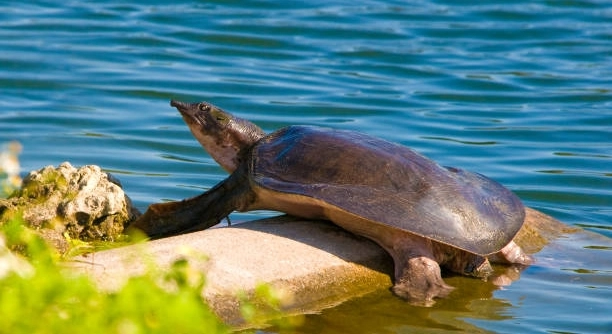
Softshell turtles are unique creatures that require special care. When their shells are affected by fungi, it can cause concern for pet owners. It’s essential to understand the signs of shell fungus to ensure their health and well-being. Shell fungus in softshell turtles typically presents as discolored, soft, or pitted areas on their shells. The … Read more
How to Prepare Softshell Turtles for Seasonal Changes

Paragraph 1:Is your softshell turtle ready for the seasonal changes that affect its well-being? As the weather shifts, it’s important to make adjustments for their comfort and health. Paragraph 2:Preparing softshell turtles for seasonal changes requires adjusting their habitat temperature, humidity levels, and diet. Ensure their environment mimics the natural cycles, offering warmth during colder … Read more

7 Essential Tank Maintenance Tips for New Turtle Owners

Owning a turtle comes with the responsibility of maintaining a proper tank environment. For new turtle owners, understanding the essentials of tank care can ensure a happy and healthy life for your pet. Tank maintenance is critical to a turtle’s well-being. Regular cleaning, proper filtration, temperature control, and appropriate lighting are essential to keep the … Read more

What Causes Rapid Algae Growth in Turtle Tanks?

Rapid algae growth in turtle tanks is a common issue many turtle owners face. The accumulation of algae can make the tank appear unsightly and impact the health of the turtle. Understanding what causes this growth is essential. Algae growth in turtle tanks is primarily caused by excessive nutrients, such as nitrogen and phosphorus, which … Read more

7 Signs Your Softshell Turtle Is Thriving

Observing a softshell turtle can be a rewarding experience, but knowing if your turtle is thriving may not always be clear. Understanding the signs of a healthy turtle can help ensure its well-being. The signs that your softshell turtle is thriving include clear, active behavior, healthy skin and shell, proper eating habits, and regular basking. … Read more

How to Train Softshell Turtles for Routine Tank Maintenance

Keeping softshell turtles in a tank requires more than just providing water and food. To ensure they thrive, regular tank maintenance is key. Proper training can help make this routine more efficient and less stressful for both you and your turtles. Training softshell turtles for routine tank maintenance involves creating a consistent environment and establishing … Read more

7 Precautions for Moving Softshell Turtles to Outdoor Ponds

Moving softshell turtles to outdoor ponds requires proper precautions to ensure their safety and well-being. These turtles need a suitable environment for their survival, making the transition important to their health. The process of relocating softshell turtles to outdoor ponds should be done gradually, ensuring that the water temperature and pond conditions are suitable. Properly … Read more

Can Softshell Turtles Survive Harsh Winter Conditions?

Softshell turtles are fascinating creatures, and understanding how they survive harsh winter conditions can be intriguing. These resilient animals face challenges that require specific adaptations to endure cold temperatures. Let’s explore how they manage the winter season. Softshell turtles have various survival strategies for harsh winters, including hibernation or burrowing into the mud to avoid … Read more

7 Key Differences Between Male and Female Softshell Turtles

Male and female softshell turtles are often confused due to their similar appearance, but there are key differences between the two. Understanding these variations can help enthusiasts and researchers differentiate between them. Male and female softshell turtles differ in size, with females being larger than males. Additionally, males have longer tails and more vibrant coloring. … Read more

Why Do Softshell Turtles Flutter Their Limbs Underwater?

Softshell turtles exhibit unique behavior underwater, including the fluttering of their limbs. This action can be observed in both wild and captive environments, sparking curiosity about its purpose and significance in their movement and survival. Softshell turtles flutter their limbs underwater to aid in swimming and maintaining buoyancy. This behavior helps them adjust their position … Read more