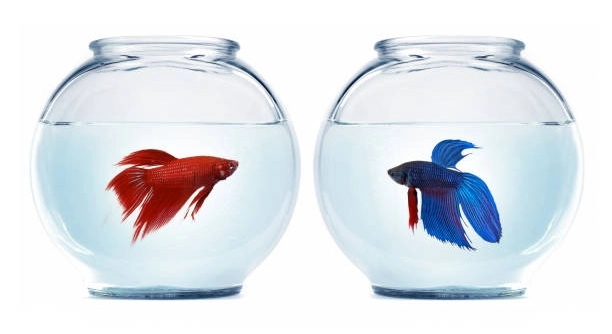
Do Betta Fish Need Companions? (Explained Clearly)

Betta fish are known for their beauty and unique behavior. Many owners wonder if these fish require companions for a healthy and happy life. Understanding their social needs can help ensure your Betta thrives in its environment. Betta fish are solitary by nature and generally do not require companions. Male Bettas are especially territorial and … Read more
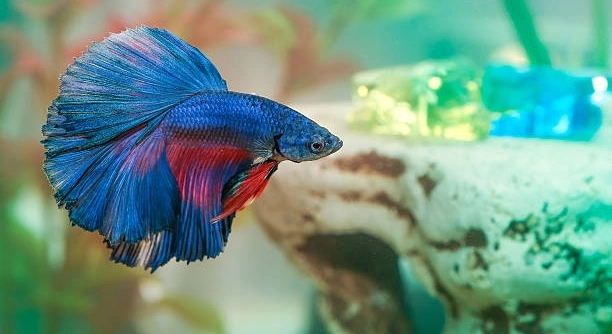
Why Does My Betta Fish Stay at the Bottom After Eating?

After feeding your betta fish, you may notice it stays at the bottom of the tank. This behavior can be puzzling for many fish owners. Understanding why your betta does this can help maintain its well-being. Betta fish may stay at the bottom after eating due to overfeeding, digestive issues, or stress. Overeating can lead … Read more

7 Simple Ways to Enrich Betta Fish Tanks

Creating a thriving Betta fish tank requires more than just providing clean water. Enriching their environment enhances their health and wellbeing. Simple changes can make a significant difference in the quality of their life. To enrich a Betta fish tank, consider adding live plants, varied hiding spots, and clean, temperature-controlled water. A well-structured environment promotes … Read more

Can Betta Fish Live with Corydoras? (Compatibility Explained)

Betta fish and Corydoras are popular aquarium choices, each with its unique appeal. Many aquarium owners wonder if these two species can coexist peacefully in the same tank. Understanding their behavior and habitat needs is crucial for compatibility. Betta fish are territorial and can be aggressive towards other fish, especially males of their own kind. … Read more

Why Is My Betta Fish Swimming in Circles? (7 Possible Reasons)

Is your betta fish swimming in circles more often than usual? This behavior can be concerning, especially if it appears excessive or abnormal. Understanding the possible reasons behind this movement can help you determine if action is needed. A betta fish may swim in circles due to stress, poor water conditions, neurological issues, or parasites. … Read more

7 Signs Your Betta Fish Is Too Cold (+How to Fix)

Is your betta fish acting sluggish, refusing to eat, or spending too much time at the bottom of the tank? Cold water can negatively impact their health, causing stress and a weakened immune system. Recognizing the signs early is essential. A betta fish that is too cold may exhibit lethargy, reduced appetite, color fading, and … Read more

Can Betta Fish Live Without Plants? (Complete Guide)

Betta fish are popular for their beauty and personality, often found swimming in aquariums. Many betta owners wonder if their fish need plants to thrive in their environment. This guide will help answer that question. Betta fish can live without plants, but plants offer benefits like hiding spots and improving water quality. Without them, the … Read more

Why Is My Betta Fish Constantly Flaring? (+7 Causes & Fixes)

Betta fish are beautiful and fascinating creatures, but sometimes they can exhibit unusual behavior. One of the more common things you might notice is your Betta constantly flaring its gills. This can be concerning, but understanding why it happens is important for their well-being. The constant flaring of your Betta fish’s gills typically occurs due … Read more

7 Best Foods to Keep Betta Fish Healthy & Vibrant

Betta fish are popular pets known for their vibrant colors and lively personalities. To keep them healthy and looking their best, choosing the right foods is essential. Proper nutrition plays a vital role in their overall well-being. The best foods for Betta fish include high-quality pellets, live or frozen foods like brine shrimp, and occasional … Read more

Can Betta Fish Recognize Other Fish? (Explained Simply)

Betta fish are known for their vibrant colors and unique personalities. As a popular pet, many wonder how these fascinating creatures interact with others, especially when it comes to recognizing different fish. Betta fish can recognize other fish, mainly through visual cues and behavioral signals. They use their eyesight and sensory organs to identify species, … Read more