Why Is My Angelfish Always Facing the Same Direction? (7 Theories)
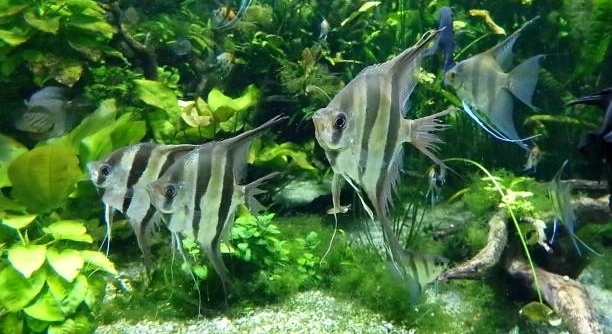
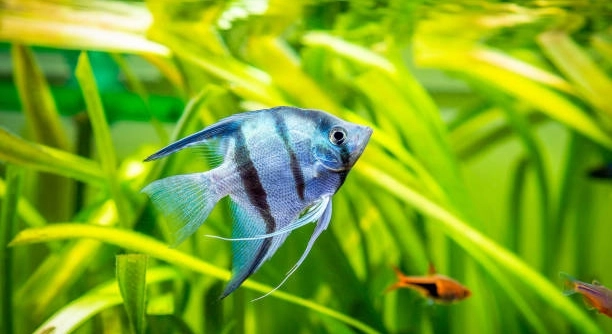
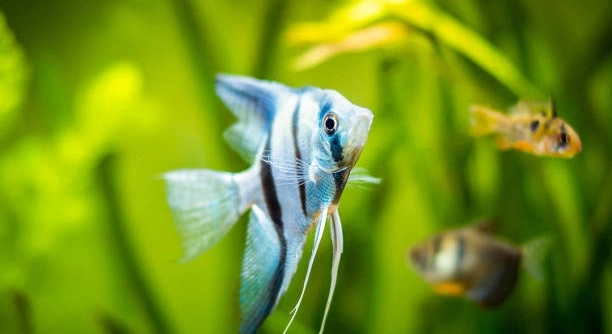
Angelfish are beautiful, graceful creatures that often captivate aquarium owners. If you’ve noticed your angelfish always facing the same direction, you might be curious about what’s going on. There are a few possible explanations. The behavior of your angelfish facing the same direction can stem from various factors. It might be related to natural habits, … Read more
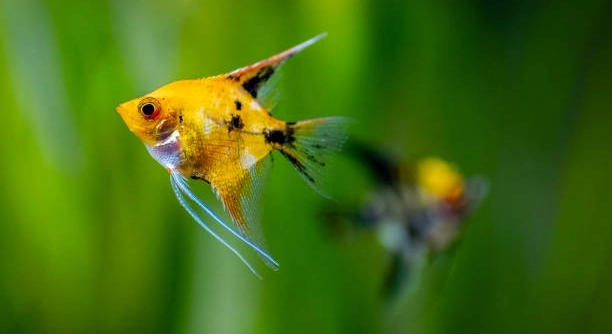
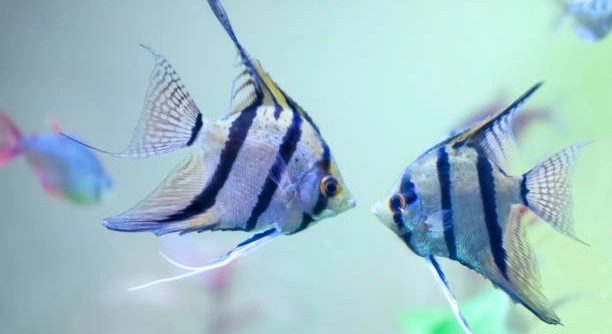
7 Best Water Treatments to Keep Your Angelfish Healthy

Angelfish are beautiful, delicate creatures that thrive in clean, healthy water. Maintaining the right water conditions is essential to their well-being. Different treatments can help prevent health issues and keep your fish vibrant and active in their tank. The best water treatments for angelfish focus on maintaining proper pH levels, temperature, and cleanliness. Regular water … Read more

Why Is My Angelfish Flashing Its Colors? (7 Possible Causes)

Angelfish are known for their vibrant colors, often drawing attention in aquariums. If your angelfish is suddenly flashing its colors, understanding why can help maintain its health and well-being. This behavior can indicate several underlying factors. Angelfish flashing their colors may be caused by a variety of factors, including stress, mating behavior, territory defense, or … Read more

7 Signs Your Angelfish Is Ready to Lay Eggs

Angelfish are beautiful and fascinating creatures to keep in your aquarium. If you’re wondering when they might be ready to lay eggs, there are specific signs to watch for. Knowing these can help you care for them properly during this exciting time. When angelfish are ready to lay eggs, you will notice physical changes and … Read more

7 Signs Your Angelfish Tank Needs More Oxygen

Is your angelfish tank looking a little off lately, with fish gasping near the surface or acting more sluggish than usual? These changes can sometimes mean something important is missing—like proper oxygen levels. Angelfish tanks that lack sufficient oxygen often show clear signs such as labored breathing, surface gasping, or reduced activity. Poor water movement, … Read more

Do Angelfish Prefer Tall or Long Tanks? (Best Setup)

Angelfish are a popular choice for aquarium enthusiasts, but when setting up the perfect home for them, there’s an important question to answer. Tank size and shape play a major role in their well-being and happiness. Angelfish typically prefer tanks that offer vertical space, as they are known to swim in the middle to upper … Read more

7 Reasons Your Angelfish Might Be Refusing to Eat Pellets

Angelfish are beautiful and peaceful creatures that can be a joy in any aquarium, but sometimes they refuse to eat pellets. Understanding the reasons behind this can help you solve the problem and keep your fish healthy. The refusal to eat pellets can be caused by various factors such as stress, poor water quality, or … Read more

7 Reasons Your Angelfish Is Not Eating After a Move

Moving your angelfish to a new tank or environment can be a stressful experience for them. One common issue after the move is a loss of appetite. Understanding why your angelfish isn’t eating can help you address the problem quickly. The most common reasons your angelfish may not be eating after a move are stress, … Read more

7 Mistakes That Could Be Shortening Your Angelfish’s Lifespan

Angelfish are popular and beautiful fish, often kept in home aquariums. However, despite their charm, their lifespan can be affected by common mistakes many fish owners unknowingly make. Let’s explore the habits that can shorten their life. Several factors contribute to shortening an angelfish’s lifespan, including poor water quality, incorrect tank mates, improper feeding, and … Read more

7 Ways to Keep Your Angelfish From Getting Too Territorial

Are your angelfish acting aggressive and chasing other tank mates around more than usual? Territorial behavior can be stressful for both the fish and their owner. Learning how to manage this can help create a calmer aquarium environment. Angelfish often become territorial due to overcrowding, lack of hiding spots, or breeding behavior. Reducing stressors, rearranging … Read more