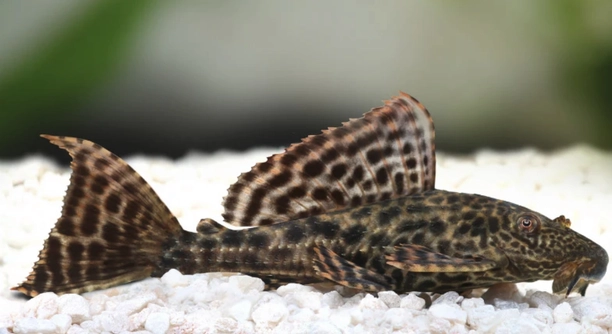
7 Situations When Plecos Get Territorial
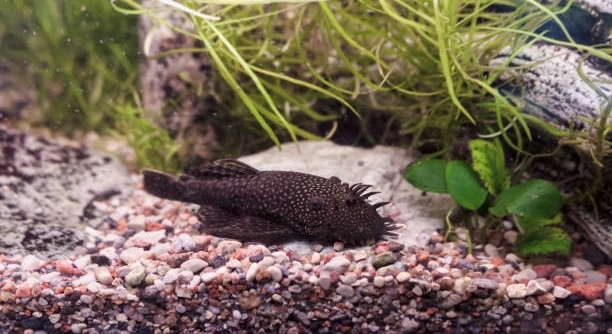
Many aquarium enthusiasts enjoy keeping plecos due to their algae-eating habits and unique appearance. However, there are situations when these fish may become territorial, leading to challenges in your tank. Understanding these moments can help you manage your aquarium better. Plecos typically become territorial when they feel threatened, or when there’s limited space or resources … Read more
Do Plecos Eat Fish Poop? (Gross but Common Question)

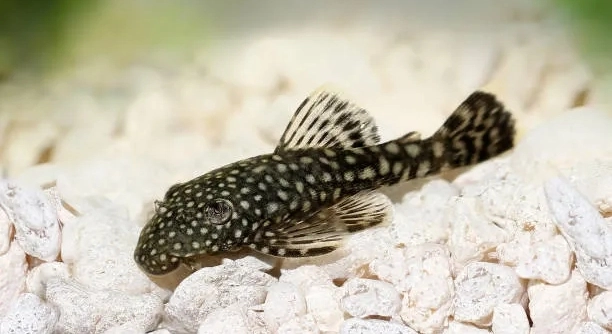
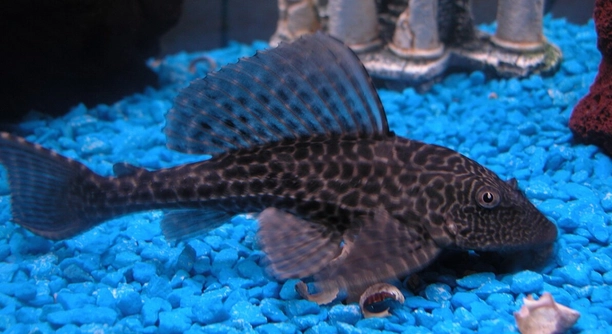
Do your plecos seem to clean up your fish tank a little too well? You may have noticed them grazing on various things, including bits of waste. This leads to a common, albeit gross, question among aquarium enthusiasts. Plecos, specifically certain species like the common pleco, are known to consume detritus in aquariums. This includes … Read more

Is My Pleco Sleeping or Just Lethargic?

If you have a pleco in your tank, you may have noticed it lying still at the bottom. It’s natural to wonder whether it’s just resting or showing signs of lethargy. Understanding its behavior can help you ensure its well-being. Plecos are nocturnal creatures, and they spend much of the day resting. However, prolonged periods … Read more

7 Causes of White Patches on Plecos

White patches on plecos can be concerning for fish owners, as they often signal health issues or environmental stress. Understanding the causes behind these patches is crucial for maintaining a healthy tank and fish. The most common causes of white patches on plecos are fungal infections, parasites, poor water quality, and injuries. Stress from improper … Read more

7 Tips to Improve Plecostomus Appetite

Is your Plecostomus not eating as much as you’d like? You might be wondering how to encourage your fish to eat better. Sometimes, even the healthiest aquarium inhabitants struggle with appetite issues, which can be tricky to fix. To improve your Plecostomus appetite, consider adjusting their environment, offering a variety of food, and maintaining consistent … Read more

7 Causes of Plecostomus Color Fading

Is your Plecostomus fish’s color fading, and you’re unsure why? It’s a common concern among aquarium owners, as the vibrant hues of these fish can sometimes dull, affecting their overall appearance and health. The color fading in Plecostomus fish can be caused by several factors such as poor water quality, inadequate lighting, stress, improper diet, … Read more

Are Plecostomus OK in High pH Water?

Plecostomus are a popular addition to aquariums due to their algae-eating habits. However, their ability to thrive in various water conditions often raises concerns. One key factor to consider is water pH levels, especially high pH environments. Plecostomus generally prefer a pH level between 6.5 and 7.5, though some species can tolerate higher pH levels. … Read more

7 Questions to Ask Before Getting a Plecostomus

When thinking about adding a plecostomus to your aquarium, there are several important factors to consider. These fish can be beneficial to your tank, but their care requires some attention to detail. Before acquiring a plecostomus, ensure you understand its tank requirements, diet, size, and compatibility with other fish. Their specific needs may differ depending … Read more

7 Causes of White Film on Pleco Driftwood

White film on pleco driftwood is a common issue many aquarium owners face. This film can be caused by various factors, and understanding the reasons behind it will help you maintain a clean, healthy environment for your aquatic pets. The white film on pleco driftwood is primarily caused by bacterial growth, biofilm accumulation, or mineral … Read more

Why Is My Pleco Laying Upside Down?

Sometimes, it can be concerning when your pleco is laying upside down. Observing unusual behavior in your fish can be worrying, but understanding the reasons behind it can help ensure your pleco’s well-being. The primary reason a pleco may lay upside down is due to swim bladder issues, which affect their buoyancy. This can occur … Read more