7 Signs Your Plecostomus Is Getting Old

Is your plecostomus acting differently lately, spending more time hiding or moving slowly across the tank floor than usual? Plecostomus often show signs of aging through reduced activity, faded coloring, changes in eating habits, and more frequent resting. These signs typically appear gradually and can be mistaken for illness if not carefully observed. Understanding these … Read more
7 Safe Treats to Reward Your Plecostomus

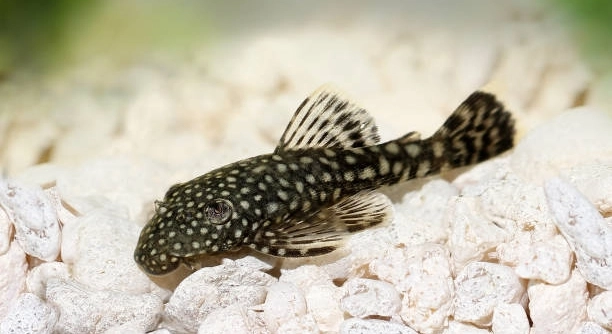
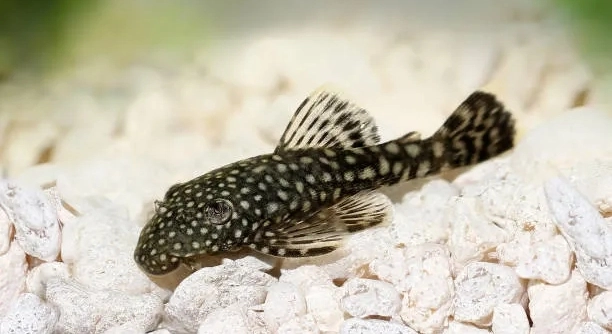
Rewarding your Plecostomus with treats can be a great way to keep them healthy and happy. These fish enjoy a variety of options that cater to their dietary needs while providing enrichment. Here are seven safe treats. The best treats for Plecostomus should be nutritionally beneficial and safe for their digestive system. Vegetables, algae wafers, … Read more

Do Plecostomus Fish Form Routines?

Plecostomus fish are a popular choice for aquarium enthusiasts. Their unique appearance and behavior often make them intriguing to observe. Understanding their habits can shed light on how they interact with their environment. Plecostomus fish do not typically form strict routines, but they exhibit certain patterns in their behavior. They are primarily nocturnal, becoming more … Read more

7 Signs Your Pleco Needs More Fiber

Plecostomus, or plecos, are popular aquarium fish, known for their algae-eating abilities. Like any pet, they require proper care to stay healthy. A critical aspect of their diet is fiber, which plays a major role in their well-being. If your pleco is not getting enough fiber, it can lead to digestive issues, poor health, and … Read more

Do Plecos Feel Emotions Like Fear or Stress?

Plecos are fascinating creatures commonly kept in aquariums. Understanding their behavior is important to ensure they thrive in their environment. One aspect that often catches the attention of fish keepers is whether plecos experience emotions such as fear or stress. Research indicates that plecos, like other fish, are capable of experiencing stress. While they may … Read more

7 Ways to Spot a Sick Plecostomus Early

Caring for a plecostomus is rewarding, but keeping them healthy requires knowing when something is wrong. Spotting early signs of illness can help prevent bigger problems down the road and ensure your fish stays happy. The earliest signs of illness in a plecostomus often include changes in behavior, such as reduced activity, loss of appetite, … Read more

What Size Tank Does a Common Pleco Need?

Common Plecos are popular aquarium fish, known for their peaceful nature and impressive size. If you’re considering adding one to your tank, it’s important to understand their space requirements for healthy growth. Proper tank size ensures their well-being. A Common Pleco needs a minimum of a 75-gallon tank to accommodate its adult size, typically reaching … Read more

What Happens If Your Pleco Eats a Snail?

Do you ever find yourself watching your pleco and wondering if it’s okay for them to munch on the snails in your tank? When a pleco eats a snail, it usually does not cause immediate harm. However, shell fragments can lead to digestive issues, and some snail species may carry parasites that pose health risks … Read more

7 Tank Decor Ideas for Plecostomus

Creating the perfect tank for your plecostomus involves more than just water and rocks. These unique fish require specific decor to thrive and feel comfortable in their environment. Whether you’re a beginner or an expert, there are simple solutions. To keep your plecostomus healthy and happy, choose decor that mimics their natural habitat. Include driftwood, … Read more

7 Reasons Your Plecostomus Stopped Growing

Is your Plecostomus not growing as expected? There are a few factors that could be preventing your fish from reaching its full potential. Understanding the causes can help you address the issue and promote healthy growth. The most common reason for stunted growth in Plecostomus is poor water quality, lack of proper nutrition, or inadequate … Read more