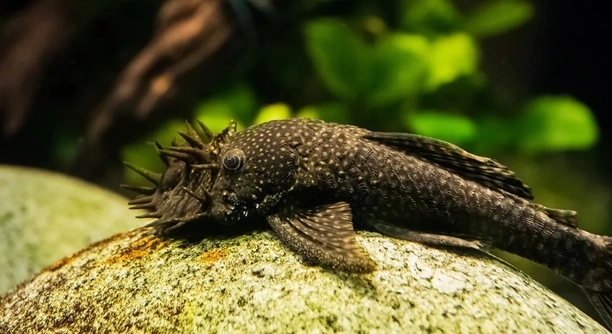
7 Ways to Know If Your Pleco Is Aging

As a pleco ages, it can be difficult to tell just how much time has passed. Recognizing signs of aging in your pleco can help you provide the best care. Understanding these signals is essential for keeping your pleco healthy and comfortable. The aging process in plecos is typically marked by changes in behavior, size, … Read more
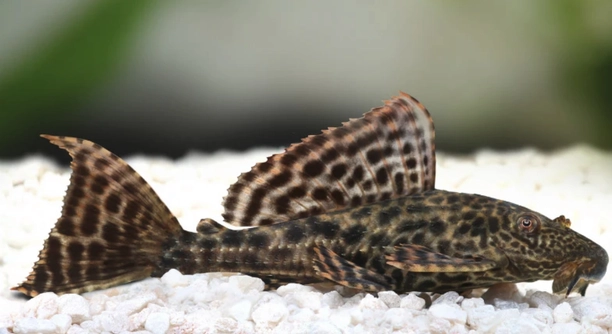
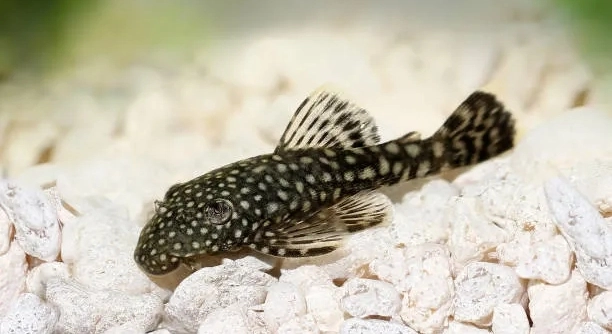
Why Does My Pleco Act Lively After Lights Out?

Plecos are often seen as peaceful, slow-moving creatures in aquariums. However, their behavior after lights out can sometimes appear more energetic and playful. This change in activity can leave you wondering what’s behind the sudden burst of energy. The lively behavior of a pleco after the lights go out is typically due to its nocturnal … Read more

7 Ways to Prevent a Messy Pleco Tank

Keeping a pleco tank clean can be tricky, especially when these fish are known for their appetite for algae. It can feel like a constant battle to maintain a tidy environment. To prevent a messy pleco tank, regular maintenance is key. Ensuring proper filtration, removing waste, feeding appropriately, and providing ample hiding spaces will keep … Read more

How Long Can Plecos Go Without Food?

Plecos are a popular choice for aquarium owners, known for their unique appearance and helpful role in keeping tanks clean. However, knowing how long they can go without food is essential for proper care. Plecos can survive for up to two weeks without food, depending on their size and health. However, prolonged fasting can weaken … Read more

Do Plecos Sleep During the Day?

Do you ever find yourself watching your pleco during the day, wondering if it’s resting or just hiding in the shadows? These bottom-dwelling fish can be mysterious, especially when their behavior seems hard to read. Plecos are nocturnal fish, meaning they are more active at night and tend to rest or hide during the day. … Read more

7 Driftwood Mistakes That Affect Plecos

Driftwood is a popular addition to aquariums, especially for plecos. However, there are a few common mistakes that can harm your plecos and affect their well-being. Identifying these mistakes will help keep your tank healthy. The most common driftwood mistakes affecting plecos include improper preparation, inadequate water conditions, and incorrect placement. Failing to properly clean … Read more

How Often Should I Feed a Juvenile Pleco?

Juvenile plecos, like other young fish, require proper care and attention to thrive. Feeding them correctly ensures their growth and health. Understanding the frequency of feeding is essential to maintain their well-being. Juvenile plecos should be fed once or twice a day, offering small portions that they can consume in a few minutes. Overfeeding should … Read more

Is My Pleco Gasping or Just Resting?

If you’re a pleco owner, you may have noticed your fish occasionally gasp at the water surface. Understanding whether this is a sign of distress or just a normal behavior can be tricky. Fish often exhibit subtle changes that may leave you uncertain. Gasping is a common behavior in plecos when oxygen levels in the … Read more

7 Tips to Handle Aggressive Plecostomus

Aggressive Plecostomus can pose challenges for aquarium owners. These fish, typically peaceful, may act out in certain situations. Understanding their behavior is essential for managing them effectively in your tank. To handle an aggressive Plecostomus, ensure their environment is stable and well-maintained. Providing adequate space, hiding spots, and a balanced diet will reduce stress and … Read more

Are Plecostomus Sensitive to Water Changes?

Plecostomus are popular aquarium fish, known for their algae-eating abilities and unique appearance. As with all fish, they have specific care requirements, and understanding how they react to water changes is essential for their well-being. Plecostomus are sensitive to water changes, particularly when they are sudden or drastic. Fluctuations in temperature, pH, or water hardness … Read more