Why Your Pleco Isn’t Eating (+7 Simple Fixes)
Many aquarium owners are familiar with the frustration of having a pleco that refuses to eat. It’s a common issue, but understanding the possible reasons behind it can help you solve the problem. The most common causes of a pleco not eating include poor water quality, stress, incorrect diet, or illness. A thorough investigation of … Read more
Why Does My Pleco Always Avoid Bubbles?

Plecos are fascinating creatures, often seen as the cleanup crew in aquariums. However, when they start avoiding bubbles, it raises some questions. Understanding their behavior can help ensure a healthier and happier environment for them. Plecos avoid bubbles primarily due to their natural preference for calm water. Sudden movements or turbulent environments can stress them. … Read more

What’s the Right Temp for a Baby Pleco?

When caring for a baby pleco, temperature plays a significant role in their overall health. Ensuring the right conditions is essential for their growth and well-being. Maintaining a stable environment can help prevent potential issues. The ideal temperature range for a baby pleco is between 74°F and 80°F (23°C – 27°C). Maintaining this consistent range … Read more

7 Times You Shouldn’t Feed a Pleco

Feeding a pleco can be a rewarding experience, but it’s important to know when to avoid certain foods. Understanding what to feed and what to avoid is key to keeping your pleco healthy and happy. Plecos are sensitive to certain types of food, and feeding them the wrong things can cause health problems. Some foods … Read more

7 Ways to Tell If Your Pleco Is Lonely

Do you ever find yourself wondering if your pleco is feeling lonely in its tank, even when it looks perfectly fine? Plecos can show signs of loneliness through reduced activity, lack of appetite, unusual hiding behavior, and decreased interaction with their environment. These behaviors may indicate the need for environmental enrichment, companionship, or adjustments in … Read more

Why Is My Plecostomus Acting Sluggish?

If you notice your plecostomus acting sluggish, it can be a cause for concern. This fish is usually active and spends time cleaning your tank. Understanding the potential reasons for this behavior is essential to maintaining its well-being. A sluggish plecostomus can be caused by various factors, including poor water quality, incorrect temperature, or improper … Read more

Should You Trim Overgrown Pleco Fins?

If your pleco’s fins are growing longer than usual, it might be time to consider trimming them. Overgrown fins can cause concerns about your fish’s health and well-being. This article will guide you through what to do next. Trimming overgrown pleco fins is not always necessary. In some cases, it can help prevent injury or … Read more

7 Substrate Types That Plecos Prefer

Plecos are fascinating fish, known for their bottom-dwelling habits and their love of specific substrates. The type of substrate you choose for them is essential for their health and well-being. Plecos prefer substrates that mimic their natural environment, which includes soft, sandy, or smooth gravel options. These substrates help them feel secure and provide a … Read more

7 Most Overlooked Pleco Care Tips

Plecos are popular aquarium fish known for their algae-eating habits and peaceful nature. However, their care can be more complicated than it seems, and many important factors often get overlooked. This article will highlight these crucial tips. Plecos are hardy fish, but proper care requires attention to water conditions, diet, tank size, and habitat enrichment. … Read more

7 Weird Behaviors You’ll See in Plecos

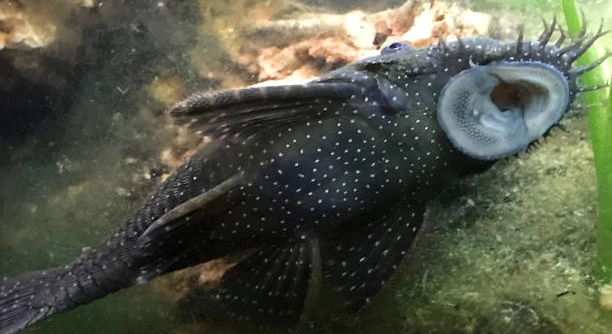
Plecos are fascinating fish that can display some surprising and unique behaviors. If you’re new to keeping them or simply want to learn more, this article will help explain some of the odd things you might witness. Plecos can exhibit several unusual behaviors, such as sucking on tank surfaces, swimming upside down, or even burying … Read more