Can You Keep a Plecostomus With Cichlids?
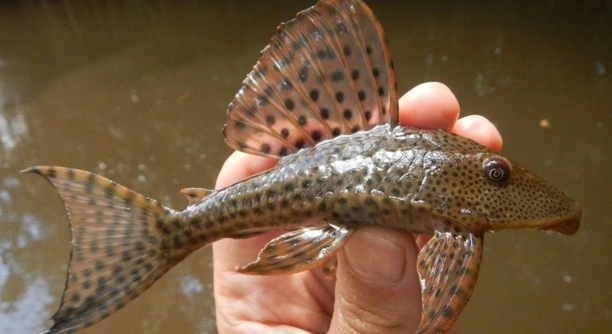
Do you ever find yourself setting up a mixed-species aquarium and wondering if certain fish can safely live together? Compatibility is key when it comes to creating a peaceful and healthy tank environment. Plecostomus can live with cichlids, but only under specific conditions. Tank size, temperament, and diet must be considered carefully to avoid aggression … Read more
7 Ways to Know If a Pleco Tank Is Too Full

Is your pleco tank starting to look crowded with fish, decorations, or leftover food floating around with nowhere to settle? A pleco tank is considered too full when water parameters become unstable, oxygen levels drop, and fish behavior changes, such as increased hiding or aggression. Overcrowding can also lead to filter strain and poor overall … Read more

7 Reasons Plecos Don’t Get Along With Bettas

Have you ever brought home a new pleco only to realize your betta isn’t exactly thrilled with the new tankmate? Plecos and bettas often do not get along due to differences in temperament, territorial behavior, and competition for space or hiding spots. Bettas can become aggressive, especially in smaller tanks, while plecos may stress them … Read more

7 Things Plecos Need in Every Aquarium

When keeping Plecos in an aquarium, it’s essential to ensure they have everything they need to thrive. These freshwater fish have specific requirements that, when met, help them grow and stay healthy in their environment. Plecos need a well-maintained tank with plenty of hiding spots, proper water temperature, good filtration, a balanced diet, sufficient space, … Read more

7 Things That Shorten a Pleco’s Lifespan

Plecos are popular freshwater fish loved for their unique appearance and helpful algae-eating habits. But did you know that certain factors can shorten their lifespan? Understanding these factors can help your pleco live a longer, healthier life. Several elements can affect a pleco’s lifespan, including water quality, diet, tank size, and tank mates. Neglecting any … Read more

7 Ways to Help Your Pleco Recover from Stress

Is your pleco hiding more than usual, refusing food, or showing faded colors after a recent change in its tank environment? These signs may point to stress, which can affect your pleco’s health and behavior if not addressed. Helping your pleco recover from stress involves improving water quality, reducing environmental triggers, providing proper nutrition, and … Read more

Can Plecos Live in Shallow Water Tanks?

Have you ever set up a tank for your pleco only to wonder if the shallow water level might cause problems later? Plecos generally do not thrive in shallow water tanks. They require adequate depth and space to accommodate their size, movement, and respiratory needs. Shallow environments may limit oxygen levels and reduce the stability … Read more

7 Warning Signs of Aggressive Plecos

Aggressive plecos can sometimes become a concern for aquarium owners. These fish are generally peaceful but may display aggressive behavior in certain situations. Recognizing the warning signs early can help prevent conflicts with tank mates. Aggressive plecos often show signs like territorial behavior, fin nipping, or frequent chasing of other fish. This behavior is typically … Read more

How to Know If Plecos Like Their Tankmates

Are your plecos cohabiting with tankmates, but you’re unsure if they get along? Understanding their behavior and preferences can help ensure a peaceful environment for everyone. It’s important to observe their interactions closely. Plecos generally prefer tankmates that do not pose a threat or compete for food. Their temperament can vary depending on species, but … Read more

What Do Plecos Do When They’re Bored?

Plecos are fascinating creatures that can sometimes seem a bit mysterious. Understanding their behavior can help provide a better environment for them. Knowing what plecos do when bored can help enhance their well-being. When plecos are bored, they may exhibit behaviors such as excessive hiding, repetitive swimming patterns, or nibbling on aquarium surfaces. Providing them … Read more