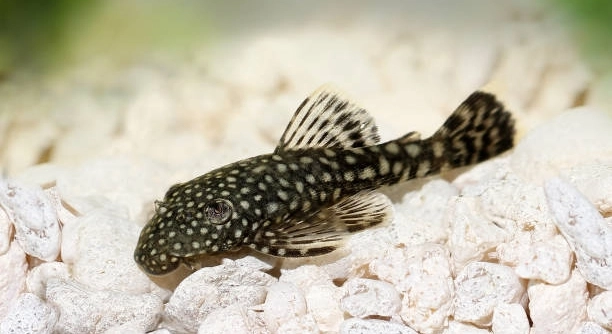
7 Signs Your Plecostomus Is Bored (+Fixes)
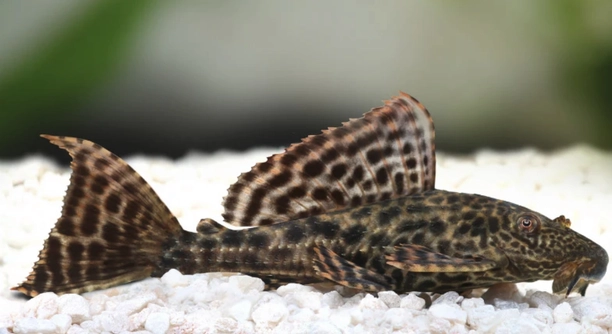
Is your plecostomus spending most of its time idle or hiding instead of exploring its tank and staying active each day? Plecostomus can show signs of boredom through lethargy, glass surfing, loss of appetite, and repetitive behaviors. These behaviors often arise in tanks lacking stimulation, environmental variety, or proper care, and can be improved through … Read more
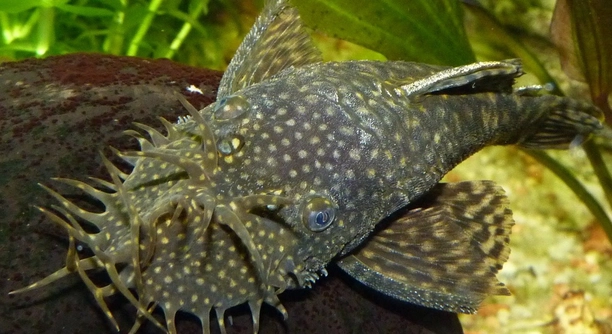
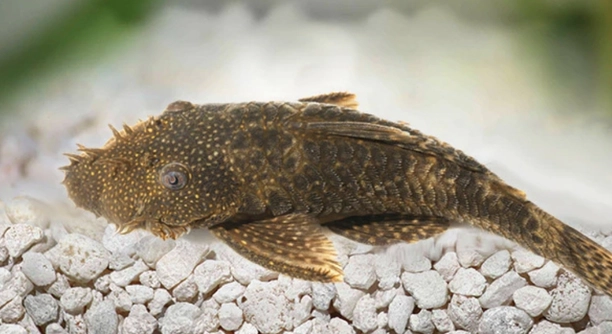
7 Tips for Creating a Pleco-Friendly Layout

Do you ever find yourself setting up your pleco’s tank and wondering if the layout is really working for them? Creating a pleco-friendly layout requires proper hiding spaces, a stable substrate, and efficient water flow. These elements mimic their natural habitat, reduce stress, and promote healthier behavior, making them essential for long-term well-being. Designing the … Read more

Why Is My Pleco Obsessed With One Corner?

Do you ever notice your pleco constantly hanging around one corner of the tank? You might wonder why it’s behaving this way, especially if there’s no obvious reason for the obsession. Understanding this behavior can help improve your pleco’s well-being. The most common reason for a pleco’s fascination with one corner is a combination of … Read more

Can You Train a Plecostomus With Light?

Plecostomus are popular aquarium fish known for their algae-eating habits. They are often seen as low-maintenance pets. However, understanding how to care for them properly can raise several questions, especially regarding their environment and behavior. While plecostomus are sensitive to light, it is not recommended to train them with light in the way you might … Read more

Is It Bad if Plecos Eat Fish Poop?

Plecos are popular aquarium fish known for their algae-eating habits, but sometimes they engage in other activities. One common behavior is eating fish waste, raising questions about its impact on their health and well-being. Plecos eating fish poop is not inherently harmful to them. As scavengers, they naturally consume detritus in their environment, including feces. … Read more

7 Signs Your Pleco Is Outgrowing the Tank

Is your pleco spending more time hiding, growing larger, or causing more mess than before? These changes could mean something important. Learning what to look for can help you avoid problems and keep your fish healthy. A pleco outgrowing its tank may show signs like stunted growth, damaged fins, increased waste production, or frequent hiding. … Read more

7 Signs Your Plecostomus Is Lacking Oxygen

If you own a plecostomus, you may have noticed odd behavior at times. These fish are sensitive to their environment, and oxygen levels can affect their health. Understanding their needs can help you provide a better habitat for them. Lack of oxygen in your plecostomus tank can lead to distress and health issues. Signs include … Read more

Why Won’t My Pleco Use the Hiding Spot?

Sometimes, it can be puzzling when your pleco refuses to use its hiding spot. You might wonder why it’s avoiding its safe space, especially when the hiding spot is meant to provide security and comfort for your fish. The reason your pleco may not be using its hiding spot could be due to stress, water … Read more

What Is the Best Tank Size for a Plecostomus?

Choosing the right tank size for a Plecostomus is an important decision. Their size, behavior, and care needs require thoughtful planning to provide a suitable environment for growth and comfort. It is essential to make the right choice. The recommended tank size for a Plecostomus is 75 gallons or larger, depending on the species. A … Read more

7 Feeding Mistakes That Harm Plecos

Many pleco owners love to care for their fish, but it can be challenging to ensure they are getting the right diet. Mistakes in feeding habits can affect their health and wellbeing. Knowing what to avoid is key to keeping them happy. Feeding plecos incorrectly can lead to health issues like obesity, malnutrition, or poor … Read more